Automatic Water Filling Machine: Core Application Areas for Diverse Water Businesses
1. Small-Scale Local Water Operators & Startups
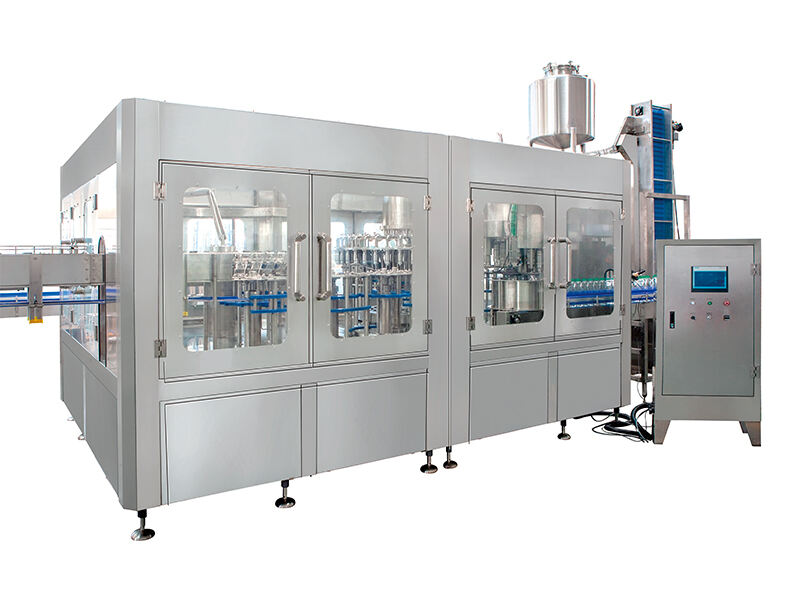
Local purified water shops, small-batch bottled water startups, or community water supply points rely on compact automatic water filling machines. These devices fit limited workshop spaces (as small as 10–15㎡), handle 300–1,500 bottles/hour (for 500ml–2L bottles), and require minimal training to operate. They replace manual filling to cut labor costs and avoid errors (like underfills or spills), making them ideal for testing local markets or serving neighborhood customers without heavy upfront investment.
2. Mid-Sized Regional Water Brands & Beverage Factories
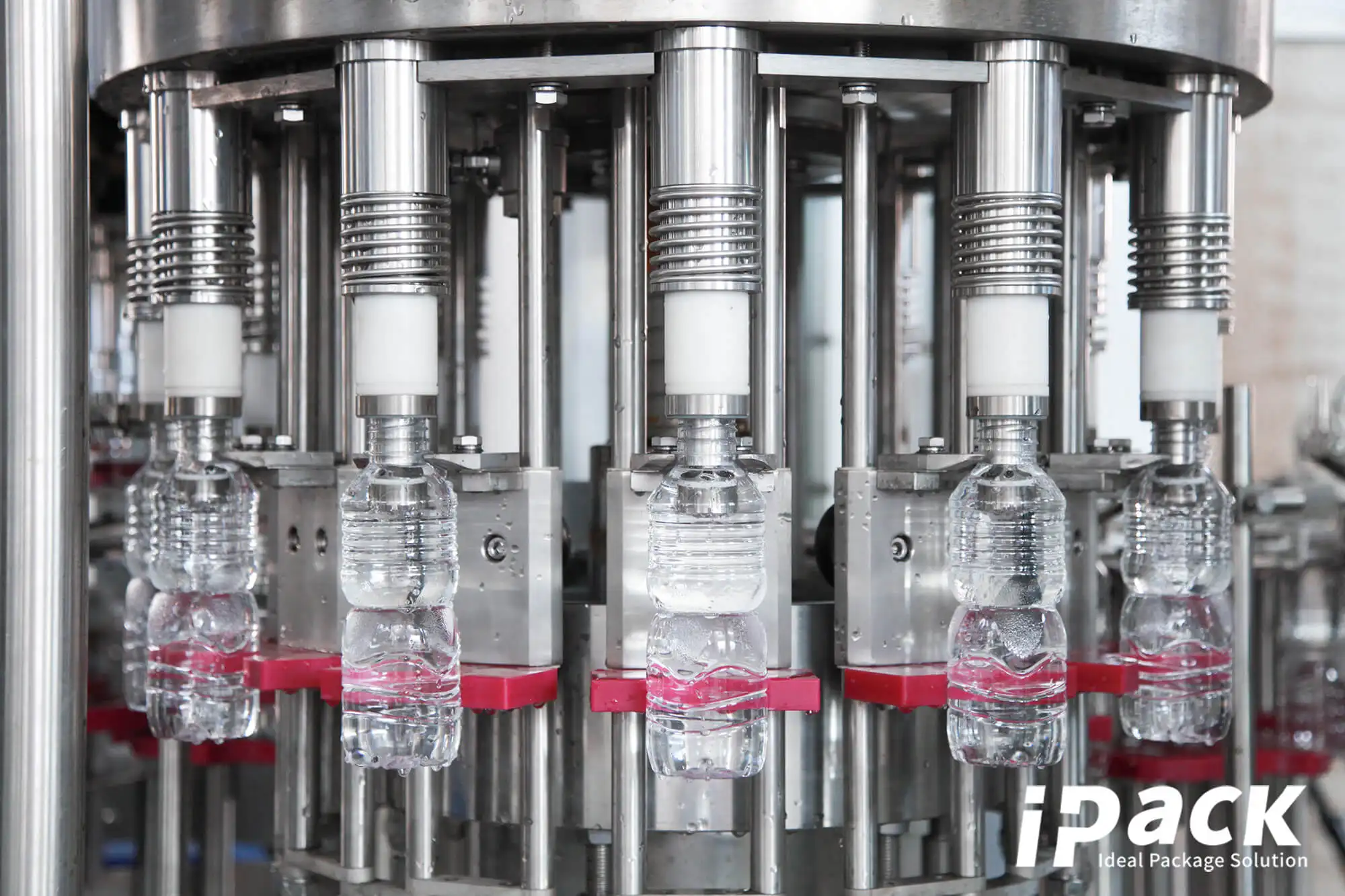
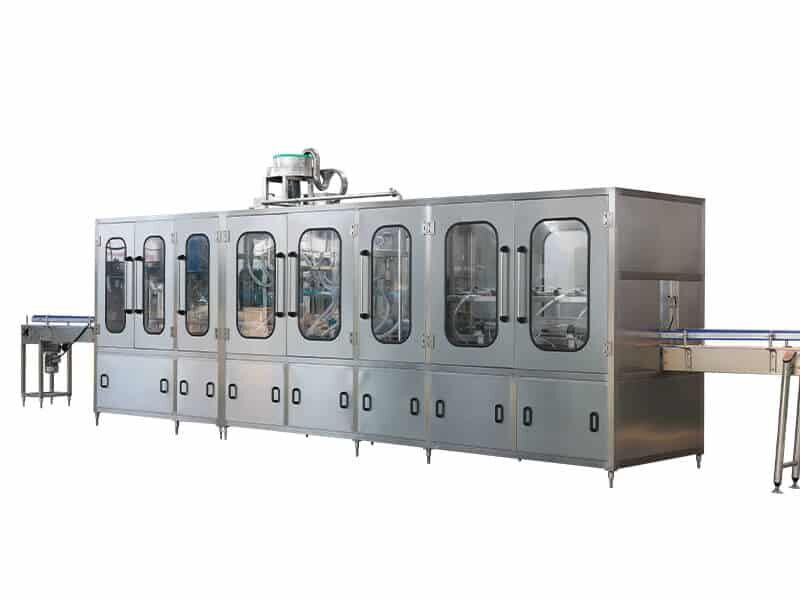
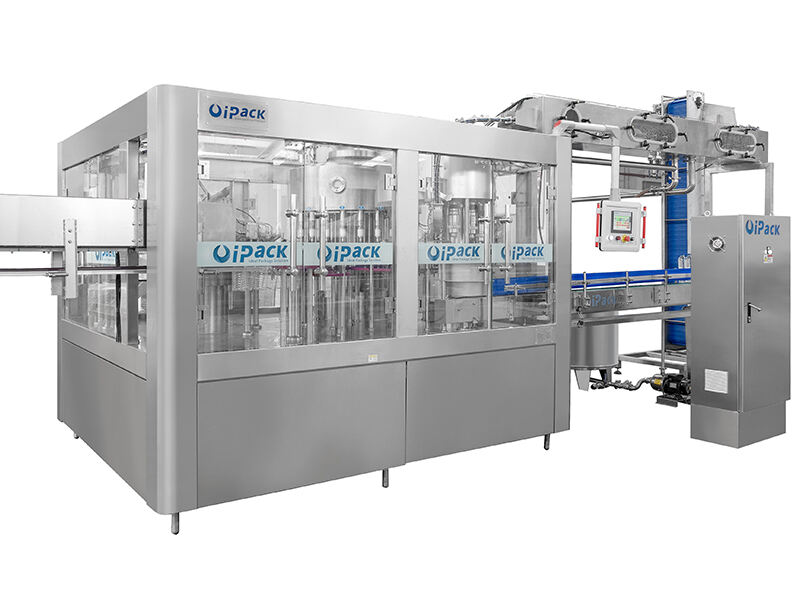
Regional bottled water brands (supplying cities or provinces) or beverage factories adding water product lines (e.g., flavored water, alkaline water) use mid-capacity automatic water filling machines. These systems integrate seamlessly with existing workflows (washing, capping), process 1,500–5,000 bottles/hour, and support multiple bottle sizes (from 330ml to 5L). They ensure consistent filling precision to maintain brand quality, while their modular design allows easy upgrades—key for scaling distribution to neighboring regions or partnering with local retailers.
3. Large-Scale Industrial Water Production Plants
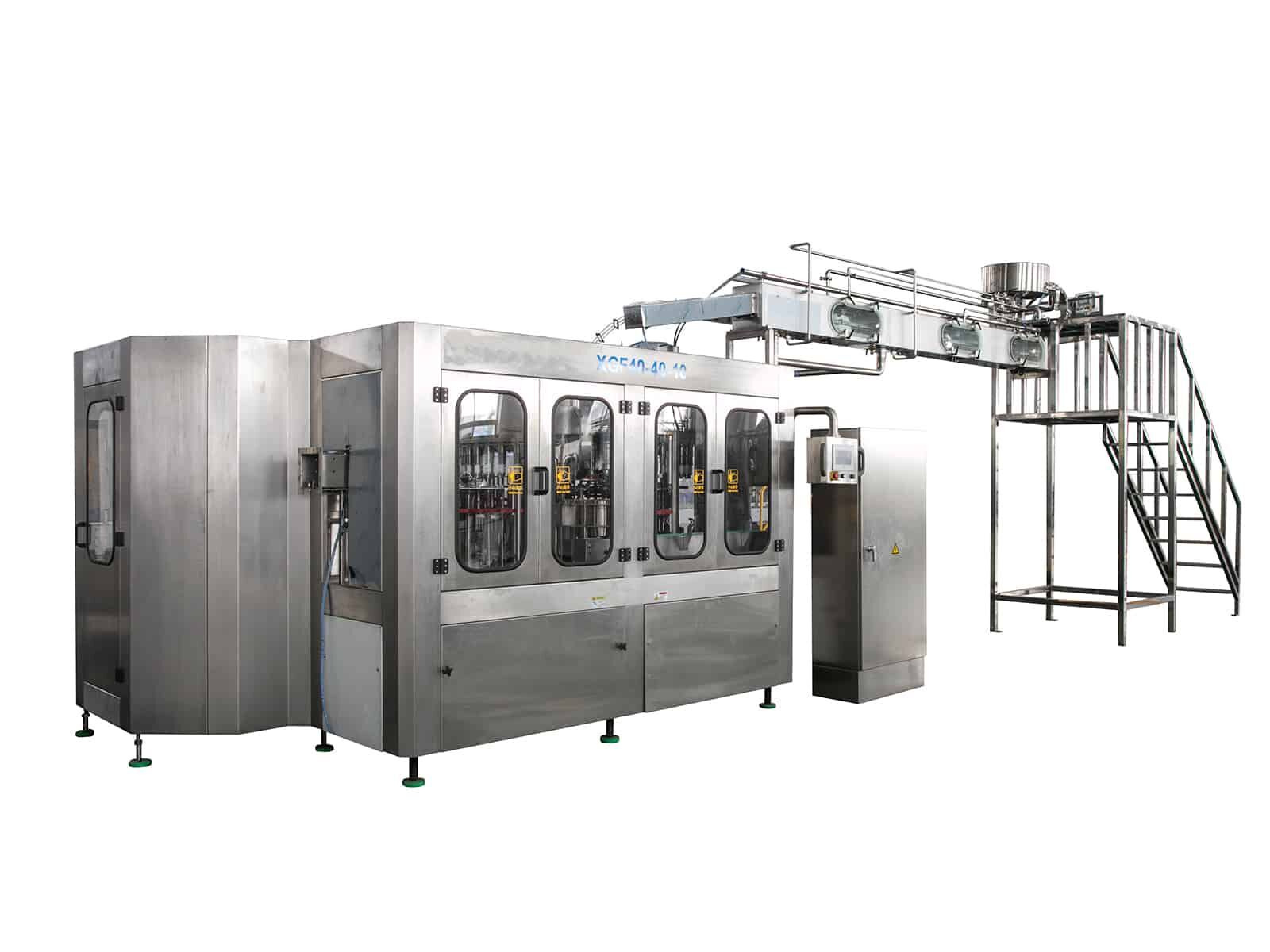
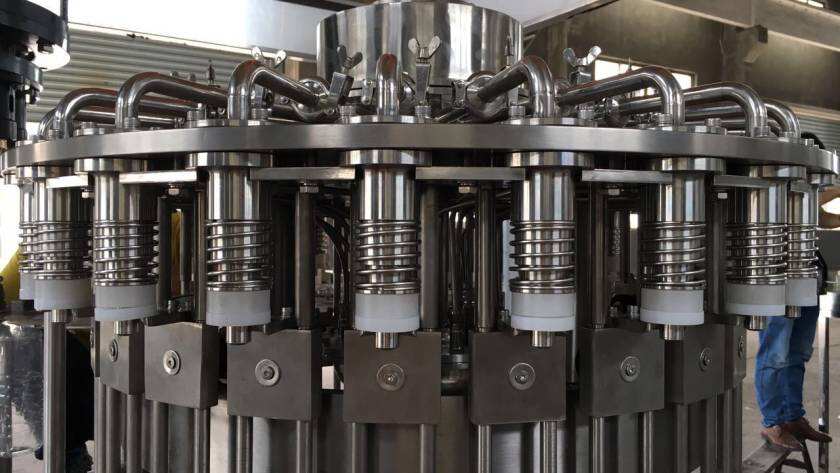
National water brands, industrial bottled water facilities, or contract bottling plants (serving supermarkets, convenience store chains) depend on high-performance automatic water filling machines. These industrial-grade systems run 24/7, handle 5,000+ bottles/hour, and sync with full production lines (sterilization → filling → capping → labeling). They comply with strict food safety standards (ISO, HACCP), use smart sensors to reduce water waste by 10–15%, and ensure stable output—essential for meeting mass market demand and maximizing long-term operational efficiency.
 EN
EN