Application Areas of Carbonated Water Filling Machines
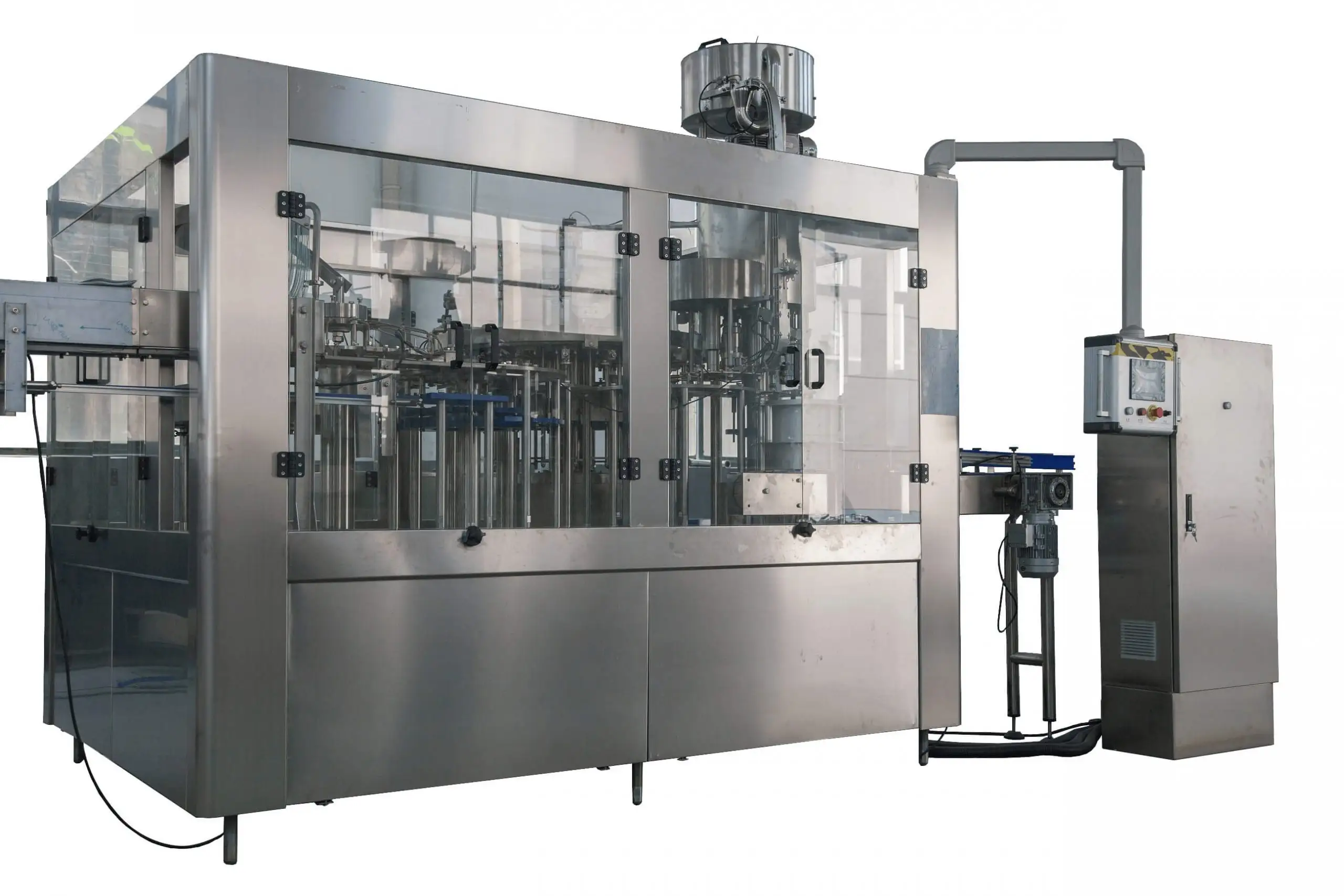
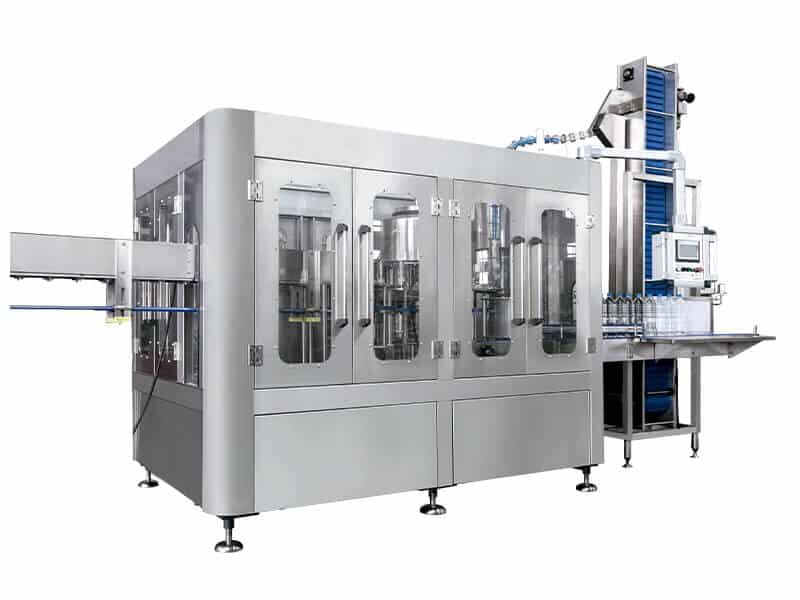
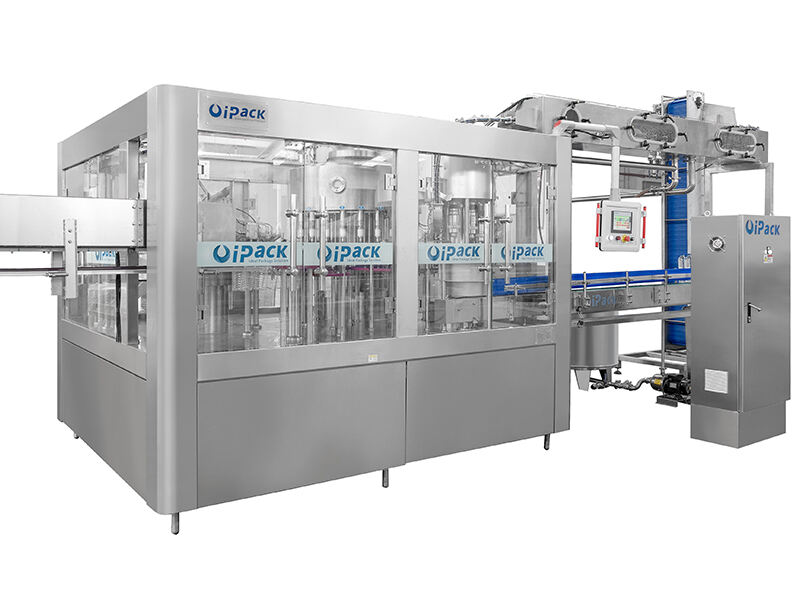
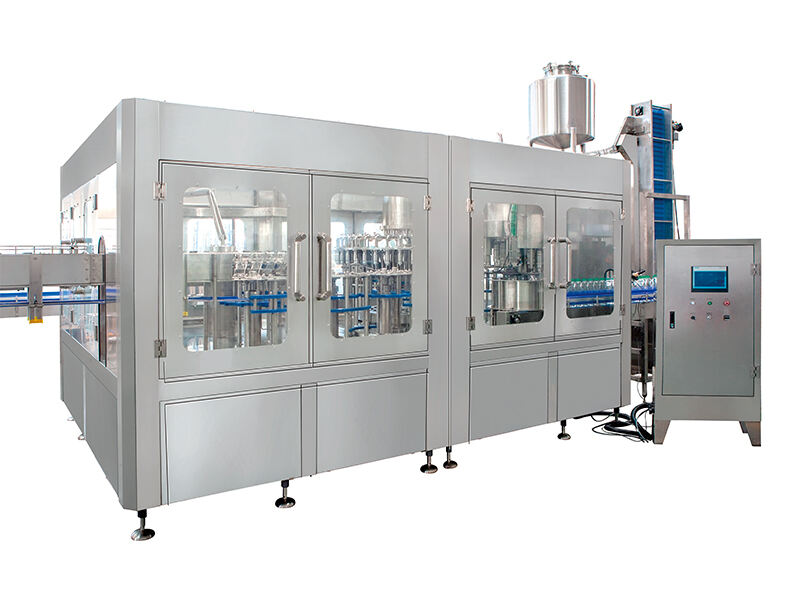
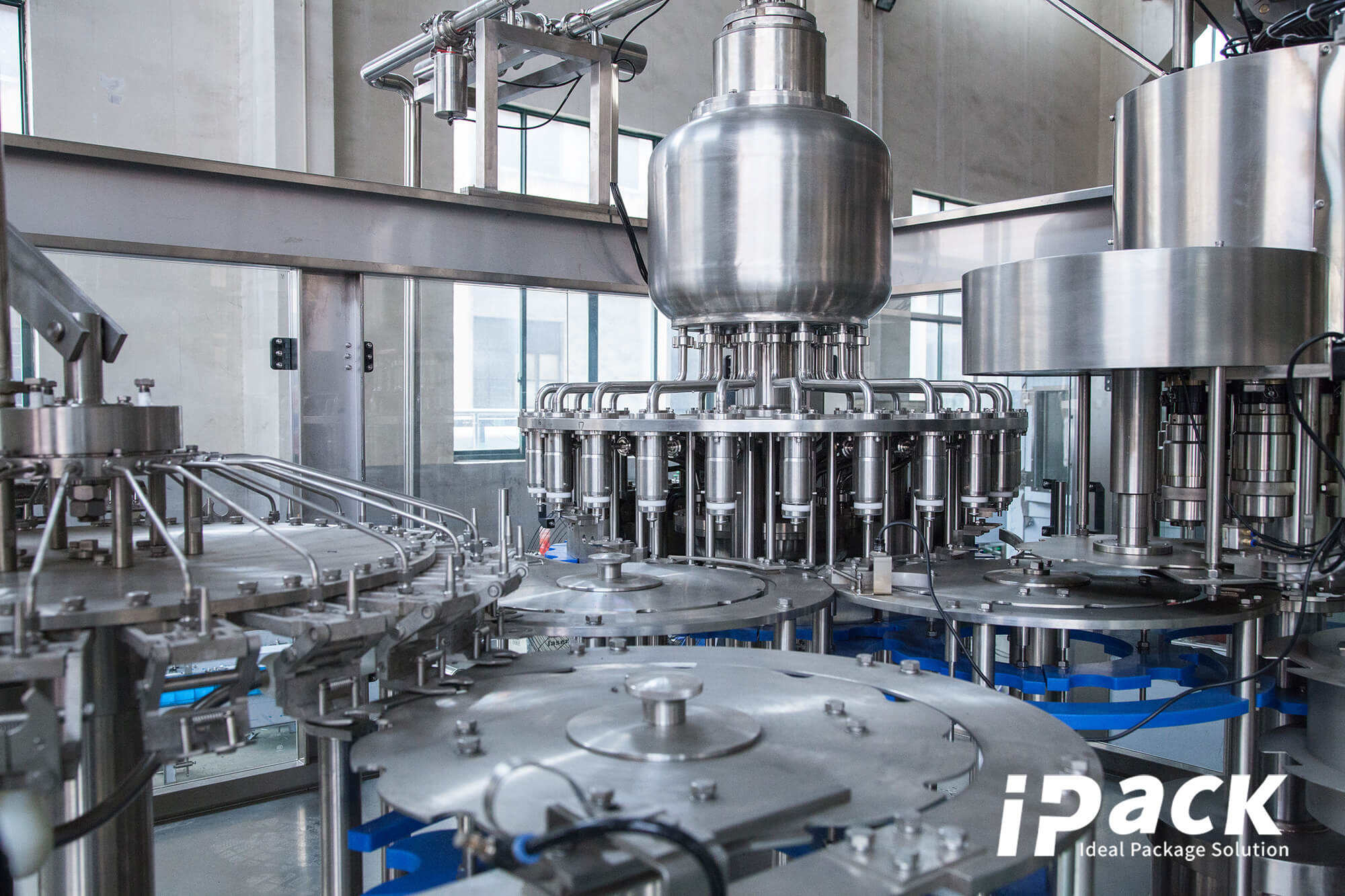
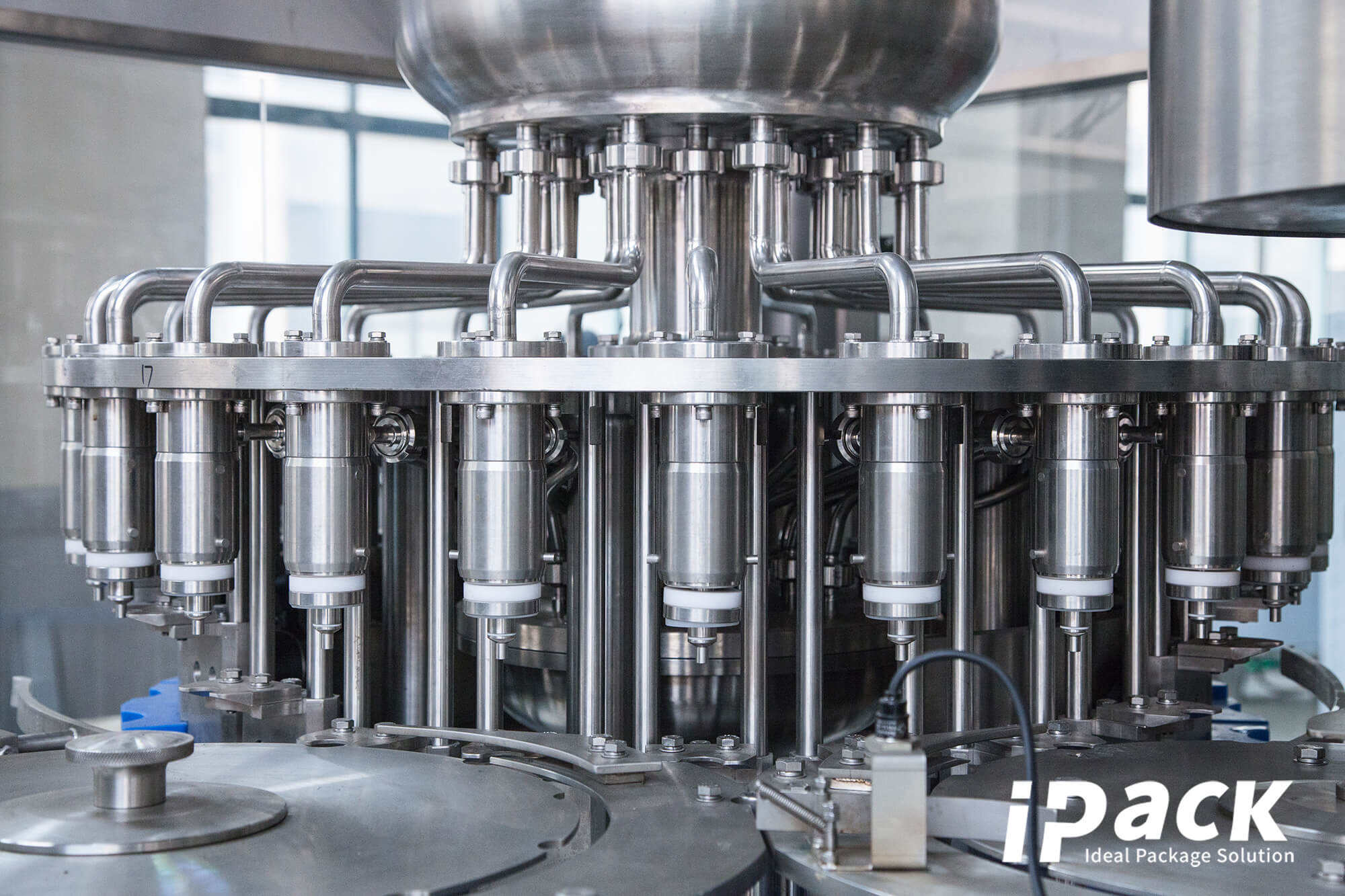
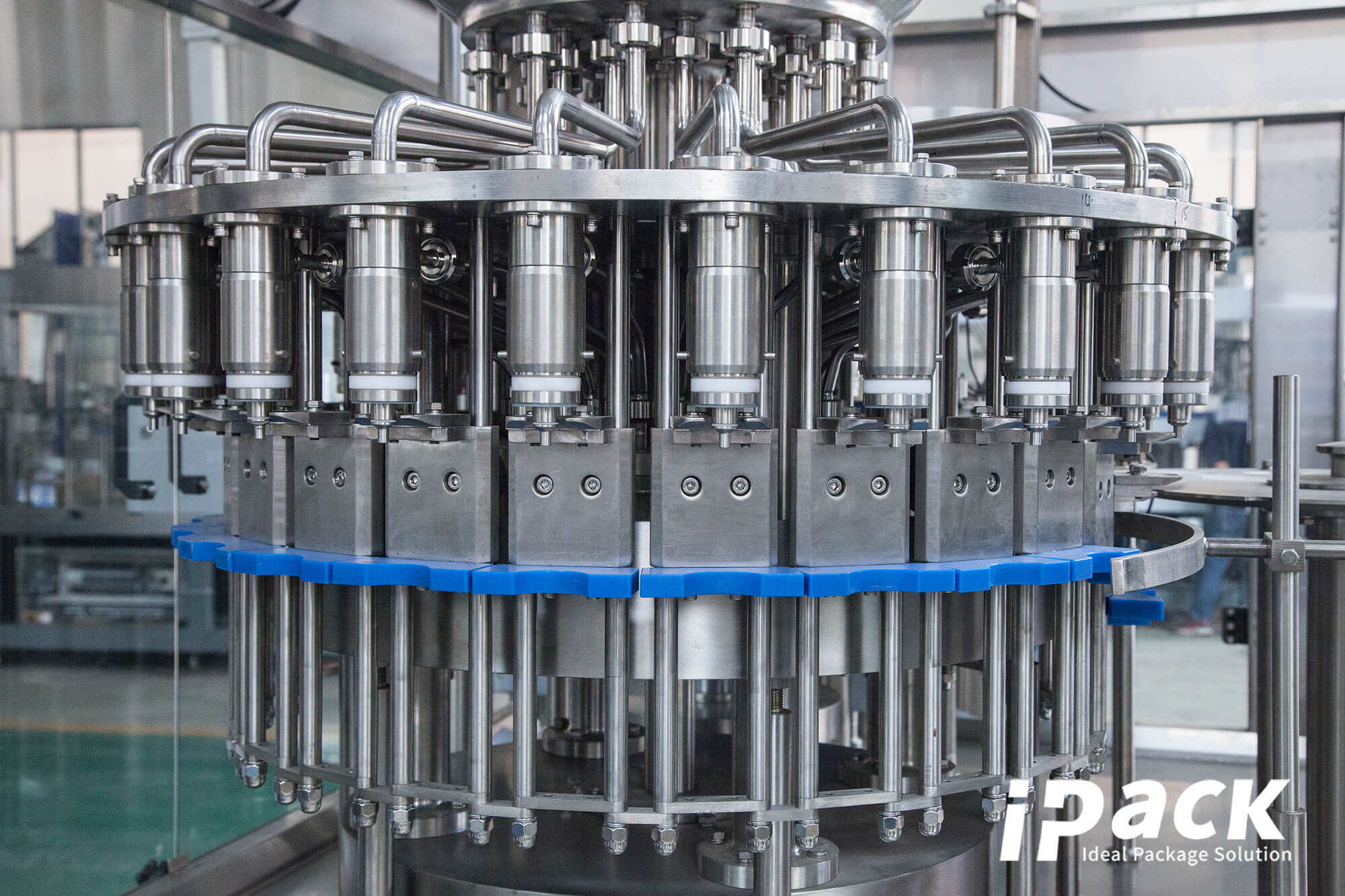
Large and medium-sized beverage manufacturers form the core application area for carbonated water filling machines. As the base of carbonated drinks—including classic colas, fruit-flavored sparkling waters, and zero-sugar carbonated beverages—carbonated water requires strict production control. These machines address key pain points like carbonation loss and unstable filling accuracy, with high-throughput capabilities (often 5,000 to 20,000 bottles per hour) to meet mass production needs. They also integrate pre-filling bottle degassing, sterilization, and post-filling capping into one line, ensuring consistency in carbonation levels and product hygiene—critical for big brands to maintain market reputation and meet peak demand during holidays or summer.
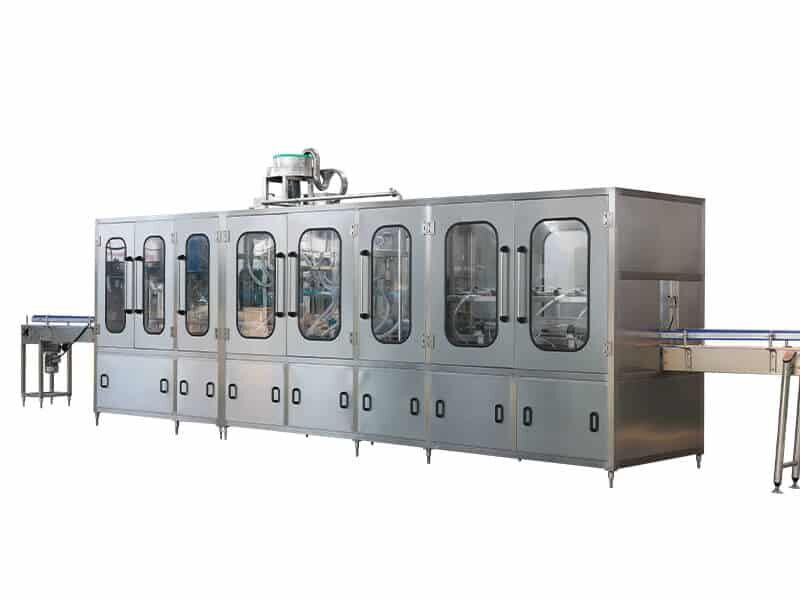
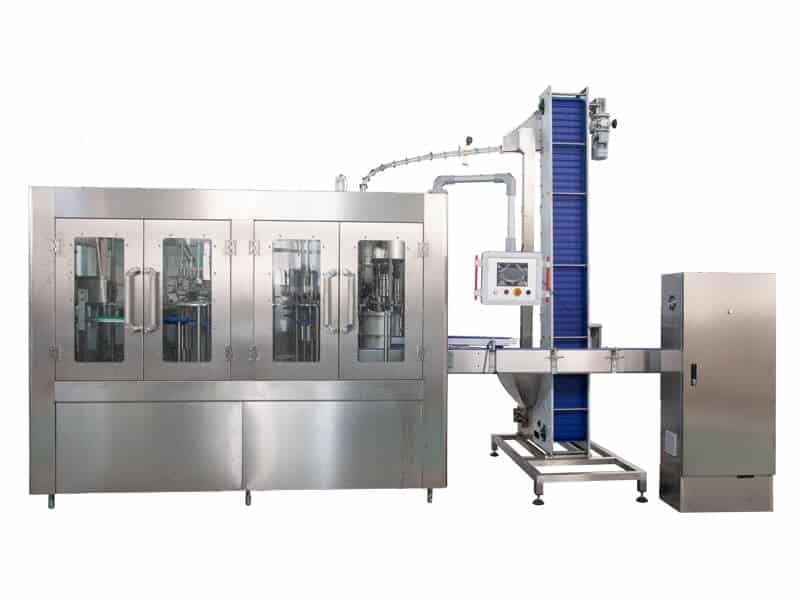
Small and medium-sized enterprises (SMEs) and niche carbonated water brands are a fast-growing application segment. With the rise of consumer demand for personalized drinks—such as low-sugar sparkling water with natural fruit extracts, alkaline carbonated water, or mini-sized on-the-go carbonated drinks—SMEs need flexible equipment. Modern carbonated water filling machines cater to this by offering modular designs (e.g., 1,000 to 5,000 bottles per hour) and multi-format compatibility (from 200ml cans to 2L PET bottles). This allows SMEs to launch small-batch, diverse products without heavy upfront investment, helping them compete in regional markets or target specific customer groups (like health-conscious consumers).
Cross-industry and on-site service scenarios expand the application scope further. High-end catering businesses—including luxury restaurants, boutique cafes, and premium bars—use small-scale carbonated water filling machines to provide fresh, customized carbonated water on demand. They can adjust carbonation intensity based on customer preferences (e.g., lighter fizz for cocktails or stronger fizz for standalone drinks) and avoid the storage and waste issues of pre-packaged products. Additionally, beverage retail chains and convenience store brands are adopting compact machines to produce private-label carbonated water, cutting supply chain costs and offering exclusive products. In emerging markets (such as Southeast Asia and Africa), where carbonated water consumption is rising with disposable incomes, durable, low-maintenance filling machines that adapt to local power and water conditions are also widely applied.
 EN
EN