Application Areas of Beer Bottling Lines: Empowering Diverse Brewing Operations Globally
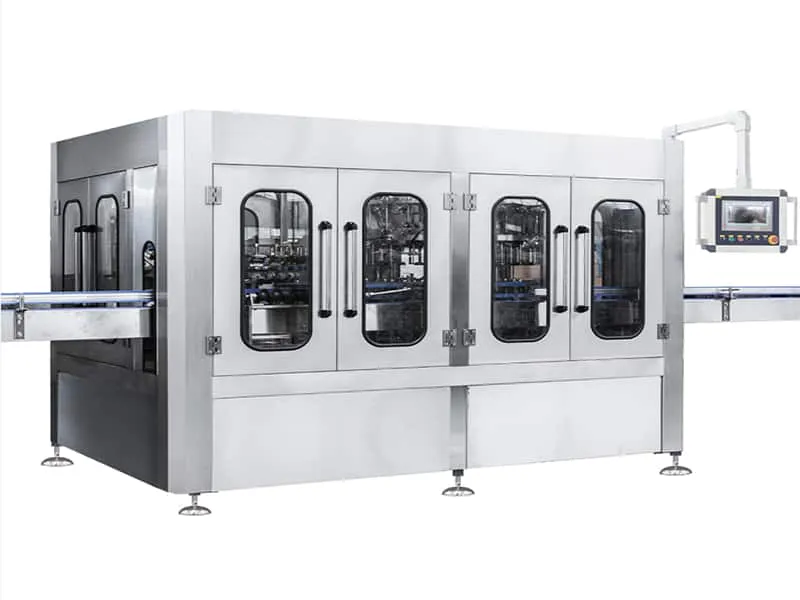
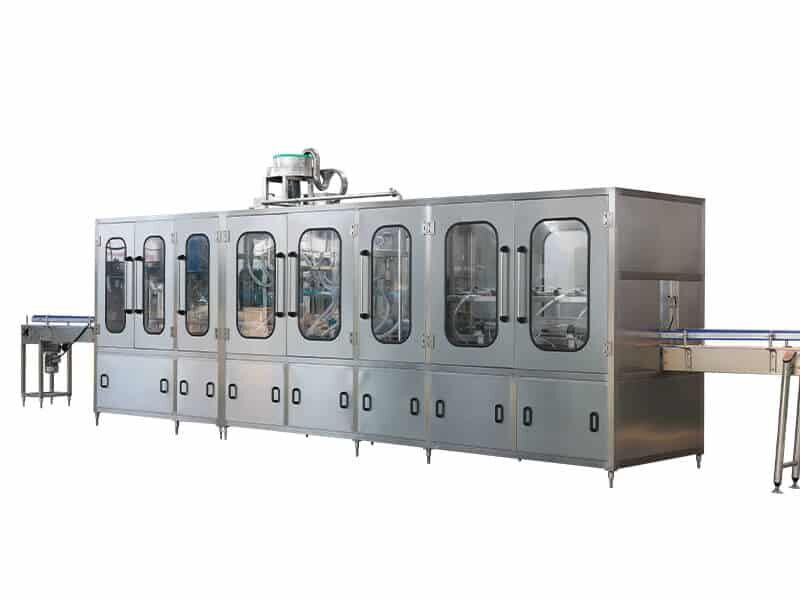
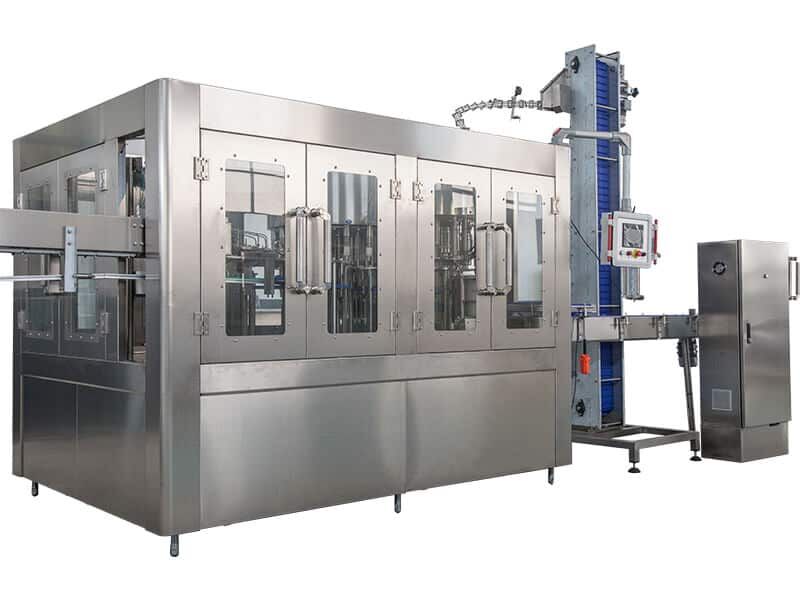
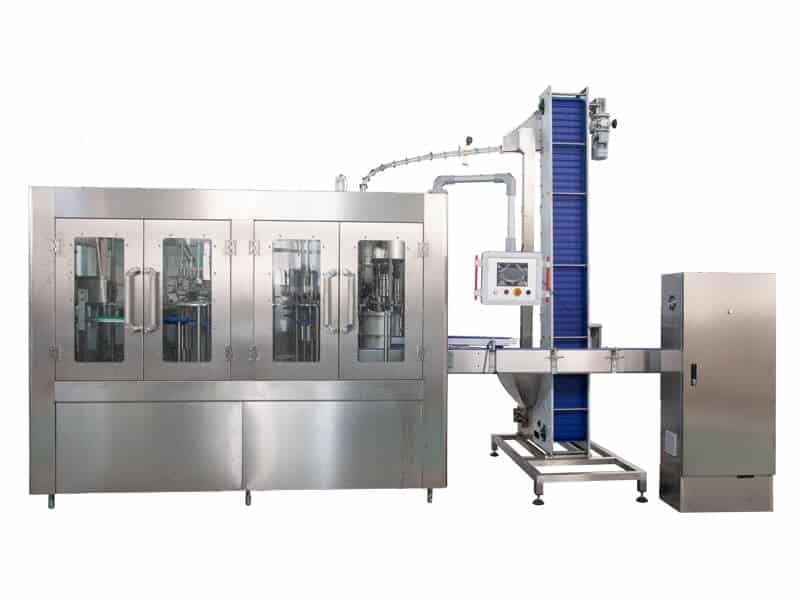
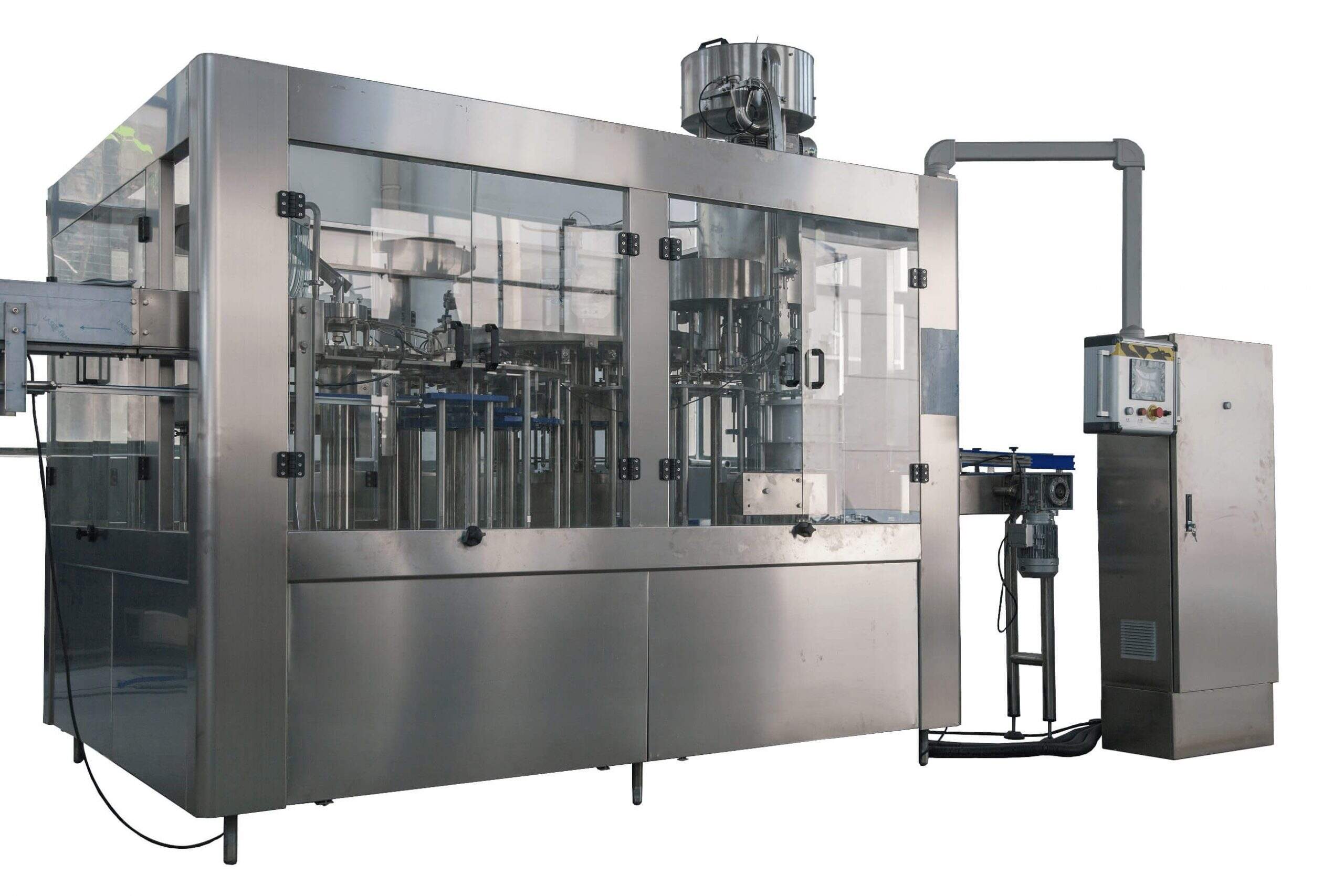
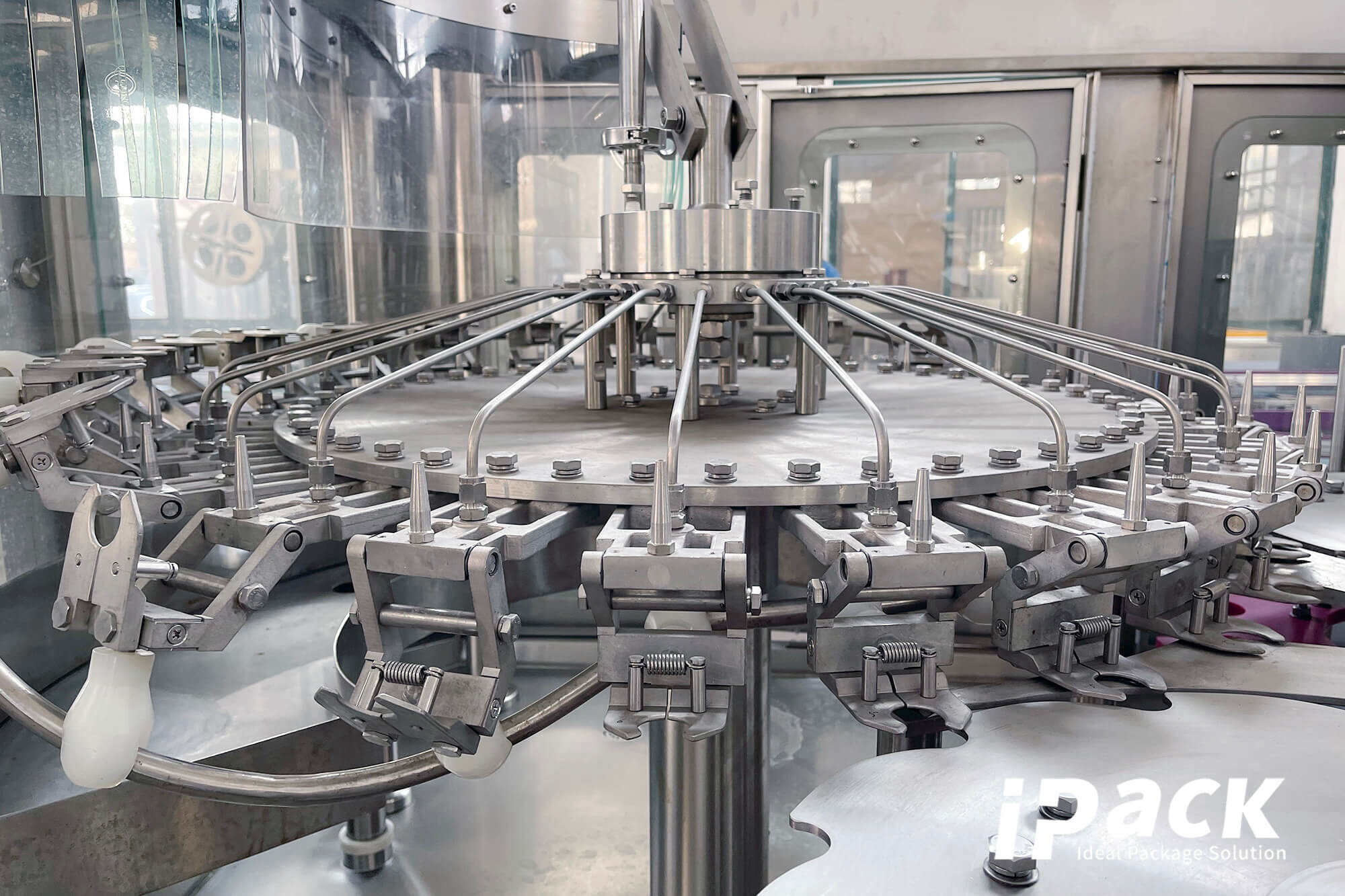
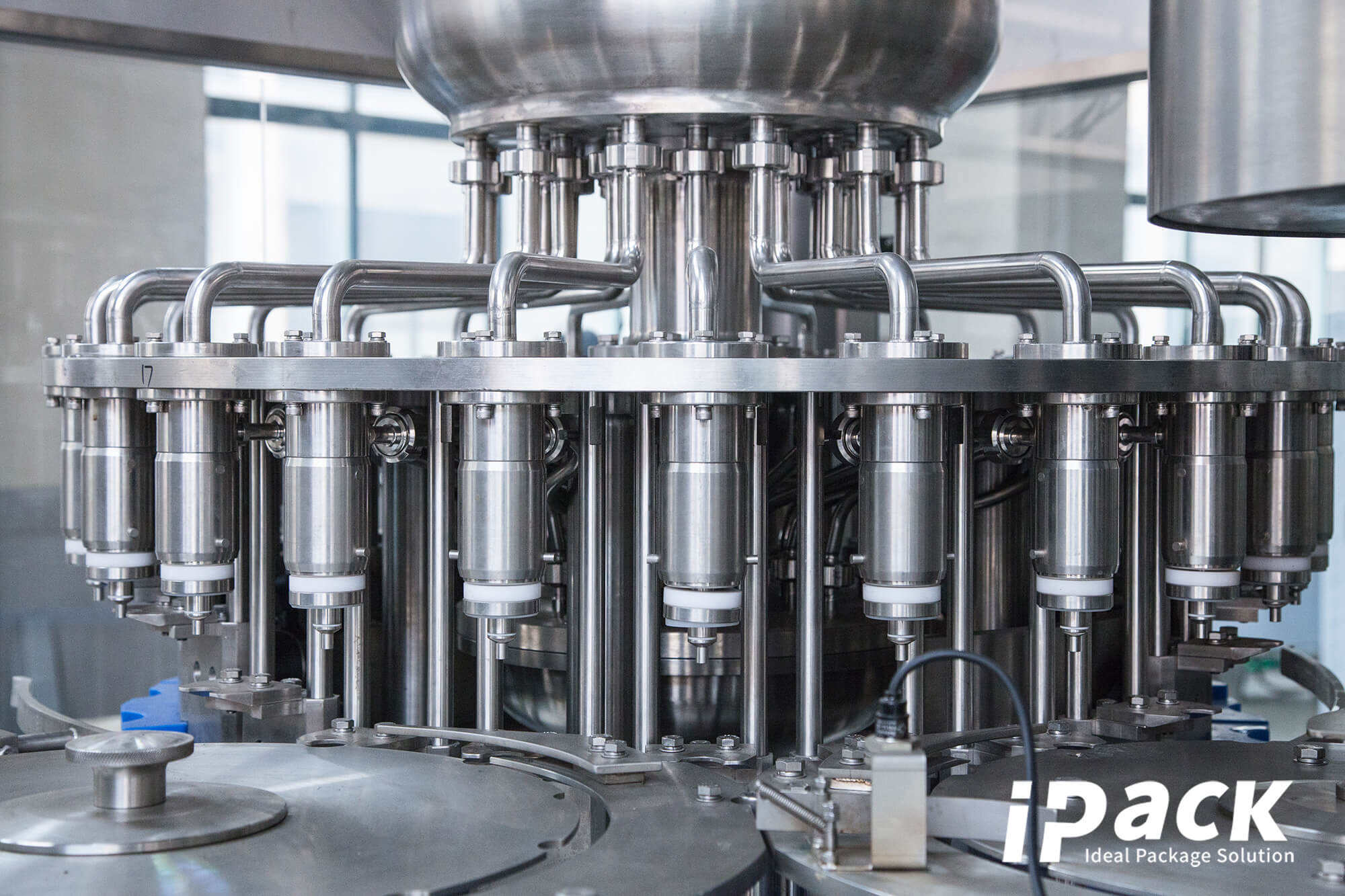
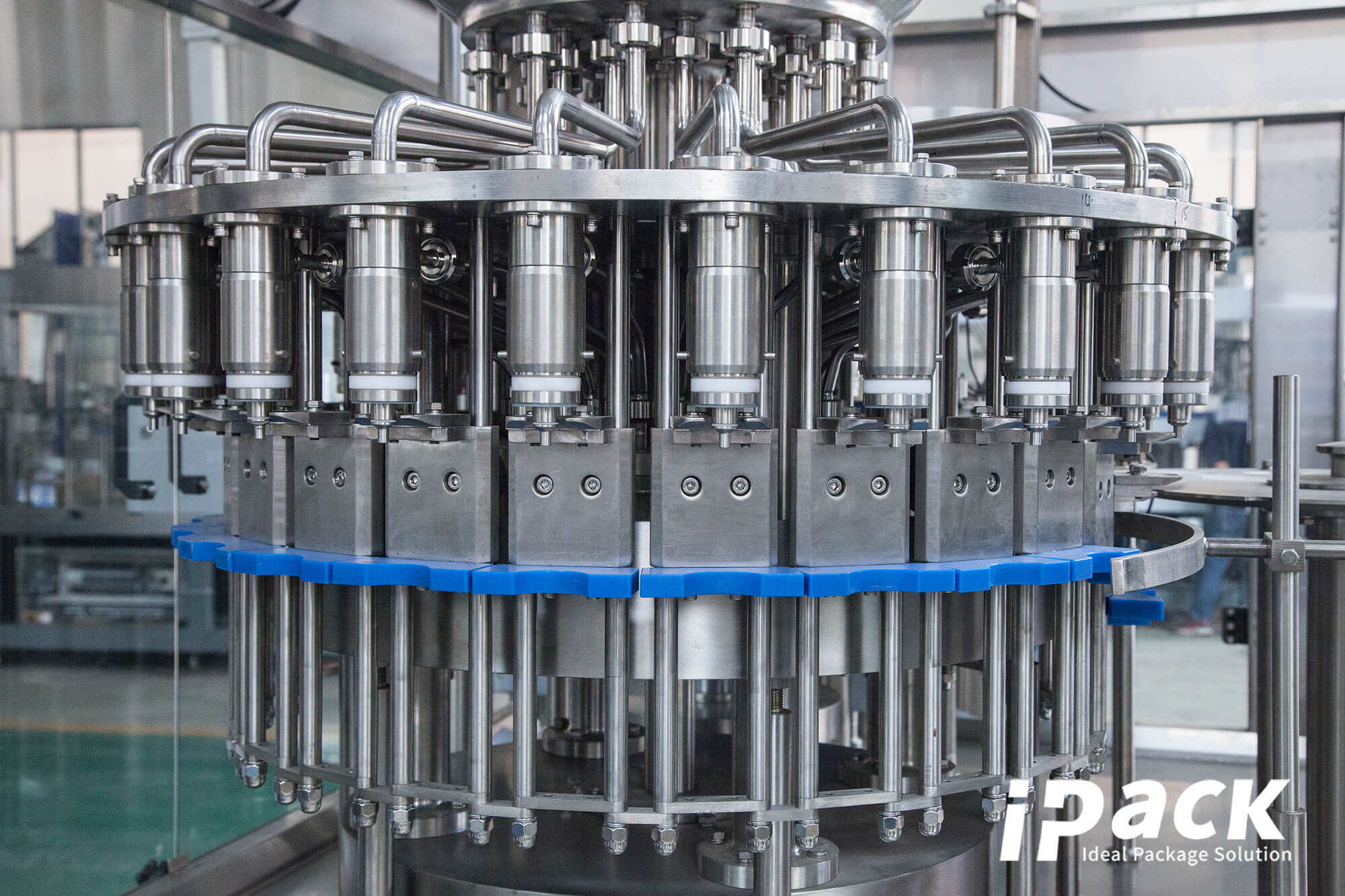
Beer bottling lines serve breweries of all scales, from small-batch microbreweries to large-scale industrial brewing enterprises. Microbreweries and craft breweries rely on modular, flexible lines that handle 500–5,000 bottles per hour, supporting limited runs of specialty beers without excessive overhead. Medium-sized regional breweries opt for semi-automated lines to meet local and regional demand, balancing efficiency and cost. Large industrial breweries use fully automated, high-capacity lines (10,000+ bottles per hour) to mass-produce mainstream lagers, pilsners, and ales for national or global distribution.
These lines extend beyond traditional beer to specialty and innovative brew categories, expanding their utility for forward-thinking breweries. They efficiently bottle low-alcohol/non-alcoholic beers, fruit-infused craft brews, sour beers, gluten-free varieties, and barrel-aged specialties. The ability to adapt to different bottle sizes (330ml, 500ml, 1L) and closure types (crown caps, twist-offs, swing tops) lets breweries diversify their product portfolios without investing in separate equipment.
Niche and emerging scenarios further broaden their application scope. This includes on-site bottling for brewpubs, resorts, and festival venues (freshly bottled beer for on-premise sales or takeaway), contract brewing services (third-party bottling lines for startup breweries lacking in-house equipment), and export-focused operations (lines compliant with international packaging and hygiene standards). Sustainable breweries also leverage eco-friendly variants—equipped with energy recovery systems and waste-reduction features—to align with green production goals while scaling output.
 EN
EN