Beer Bottling Machine: Unlocking Application Prospects for Breweries of All Scales
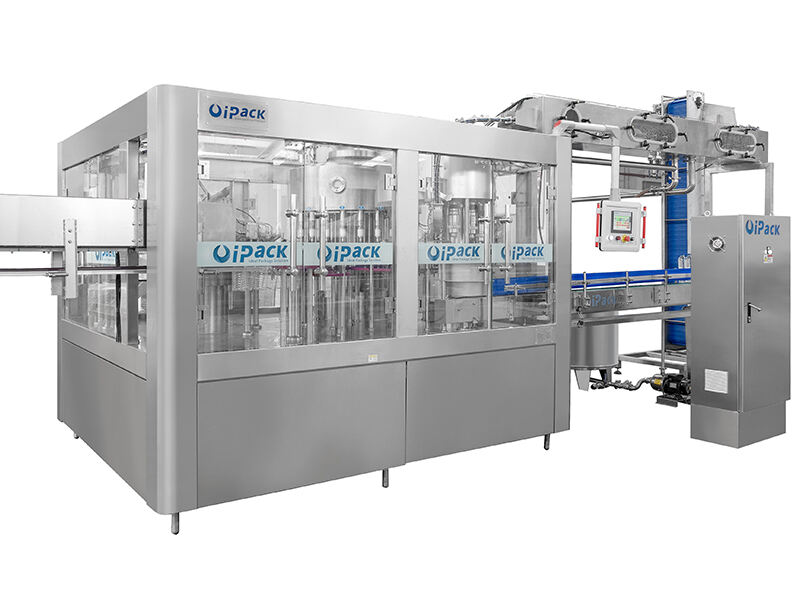
Microbreweries, nano-breweries, and local craft beer brands are primary beneficiaries of compact beer bottling machines. These user-friendly, space-saving models support small-batch production of flagship brews, seasonal releases, and limited-edition batches—adapting to standard bottle sizes (330ml, 500ml, 750ml) and compatible with both glass and recyclable PET. They enable breweries to expand beyond draft-only sales, tapping into direct-to-consumer channels (tasting rooms, online DTC), local liquor stores, and café partnerships without heavy capital investment.
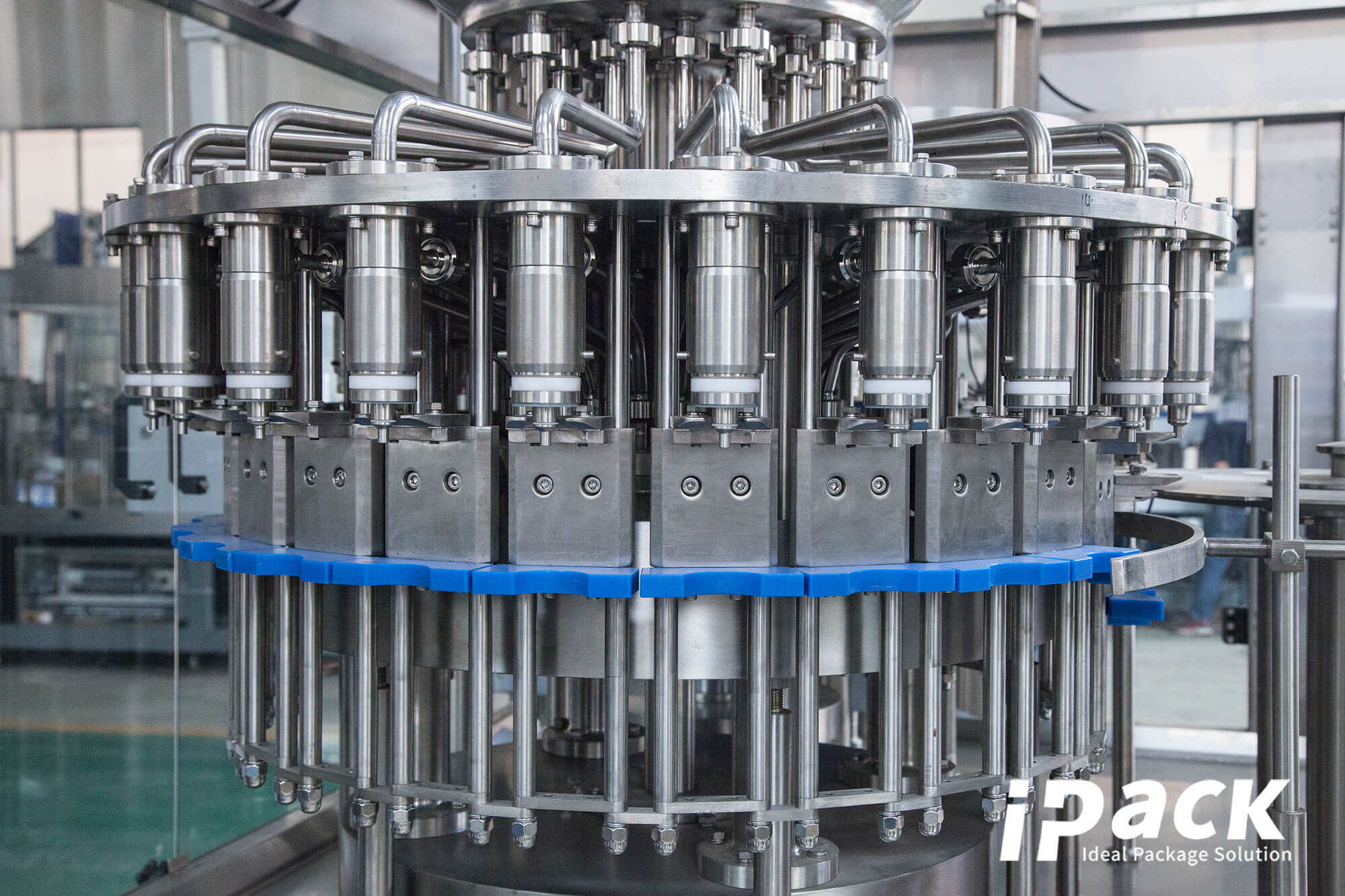
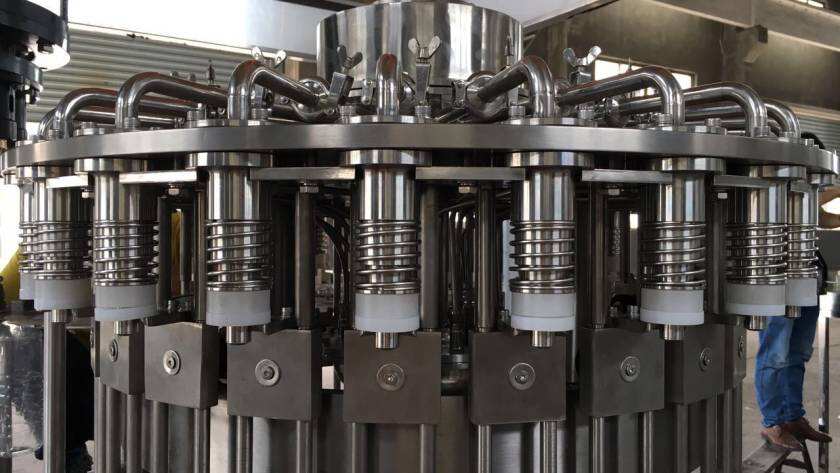
Specialty and emerging beer segments (non-alcoholic, low-alcohol, fruit-infused, sour, and barrel-aged beers) drive specialized application prospects. Modern beer bottling machines feature gentle filling technology to preserve delicate flavors, CO2/nitrogen purging to prevent oxidation, and adjustable pressure control for consistent carbonation—critical for maintaining the integrity of these niche products. They also support custom bottle formats (slim bottles, growlers) and eco-friendly packaging, catering to health-conscious consumers, specialty beverage retailers, and craft beer enthusiasts seeking unique options.
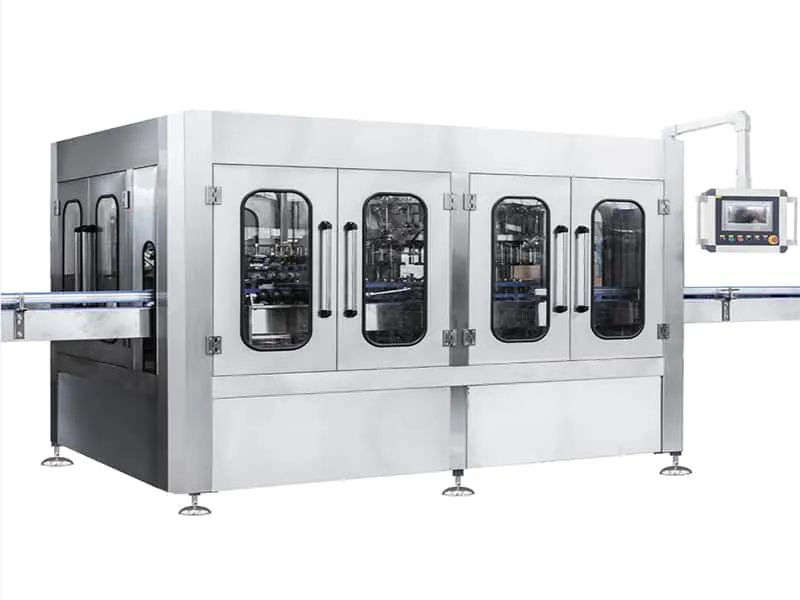
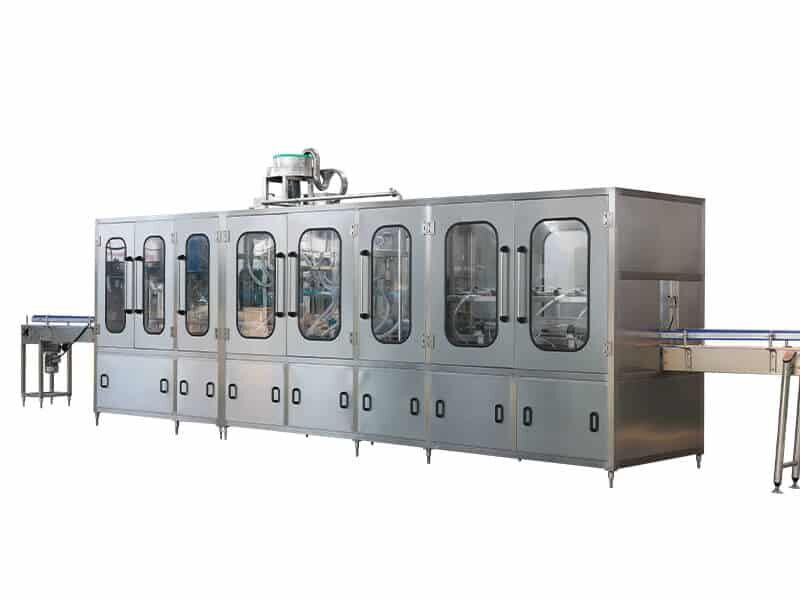
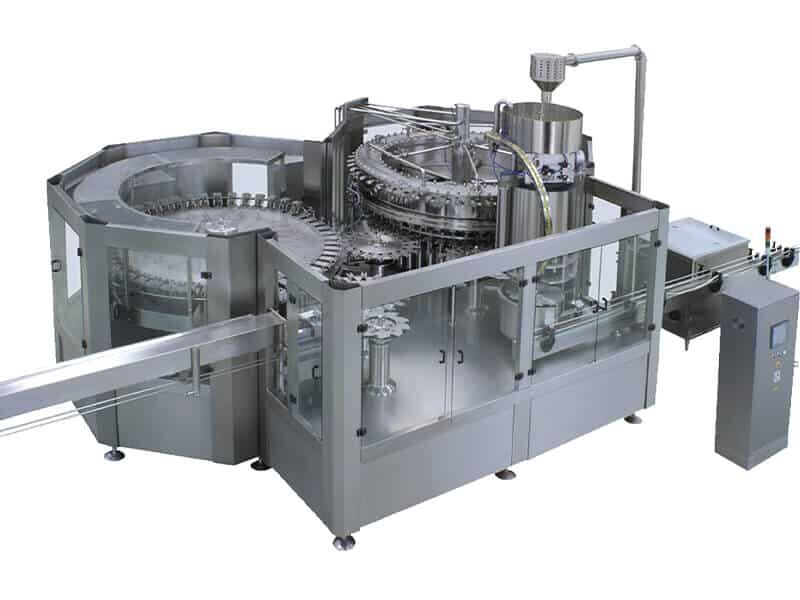
Large-scale commercial breweries and global beer conglomerates leverage industrial-grade beer bottling machines to capitalize on mass-market demand. These fully automated systems operate at high speeds (thousands of bottles per hour), integrating seamlessly with end-to-end production lines (from fermentation to labeling and capping). They support quick format switches for diverse bottle sizes and beer types (lagers, IPAs, stouts, RTD beer cocktails), enabling efficient supply to supermarkets, chain convenience stores, foodservice networks, and international distribution channels while meeting global quality and sustainability standards.
 EN
EN