Application Prospects of Bottling Plant Machines
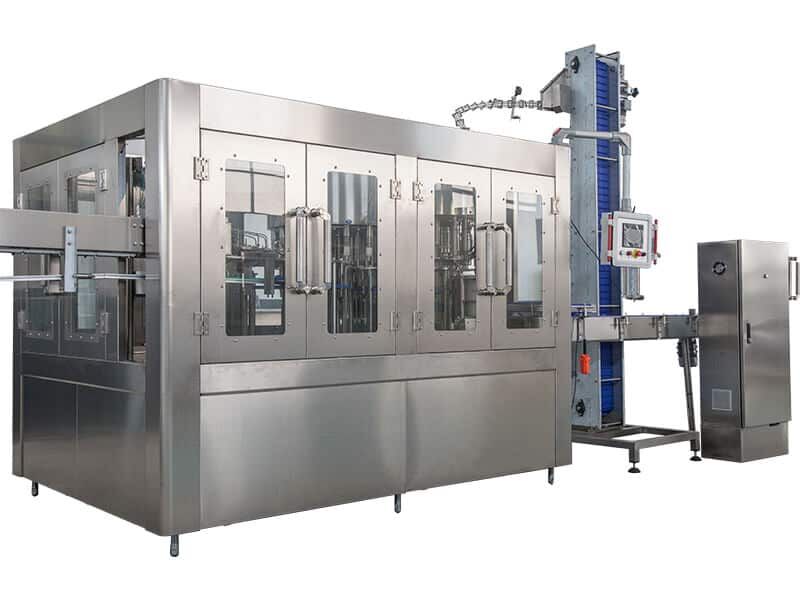
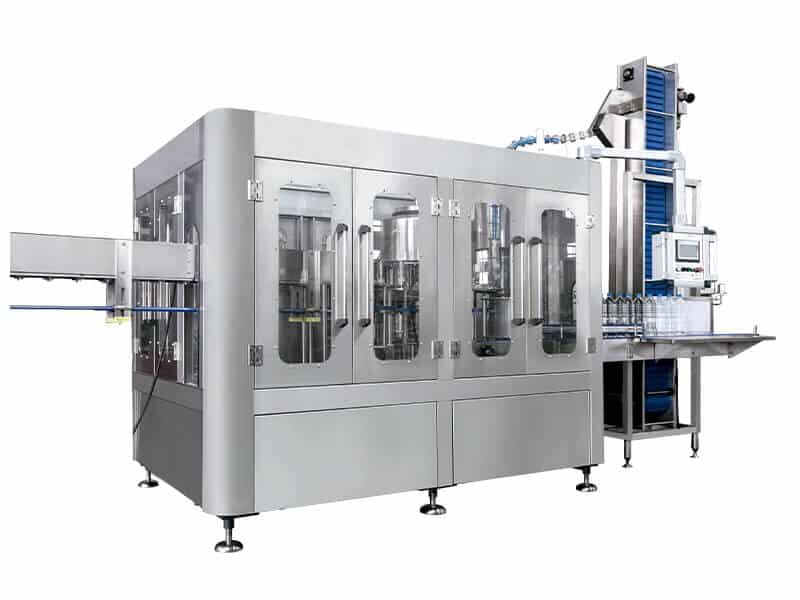
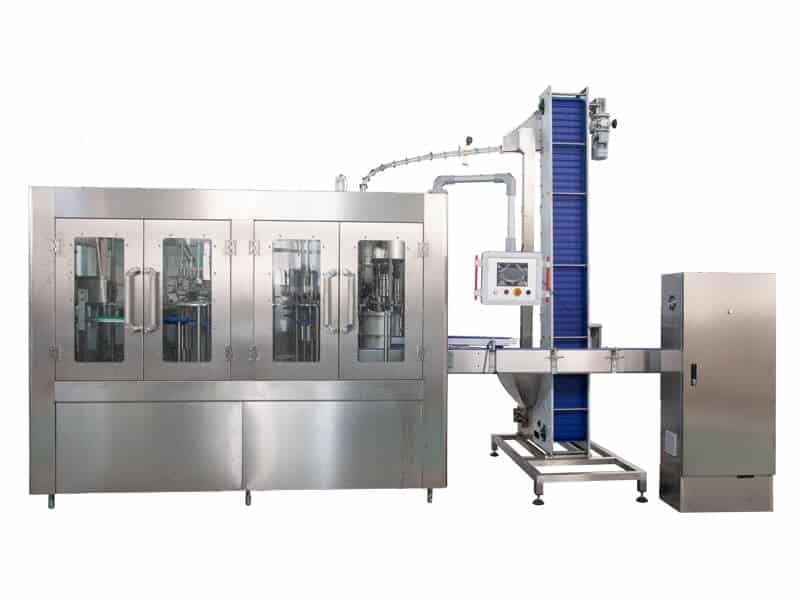
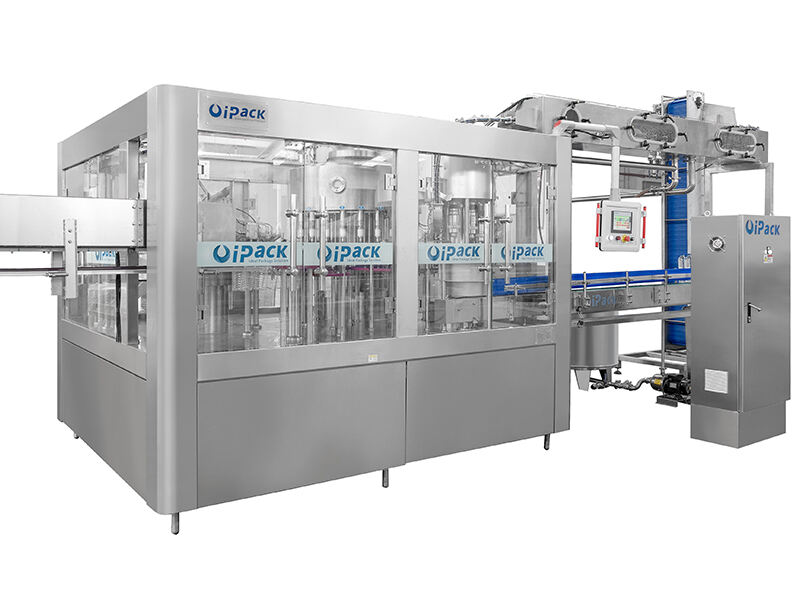
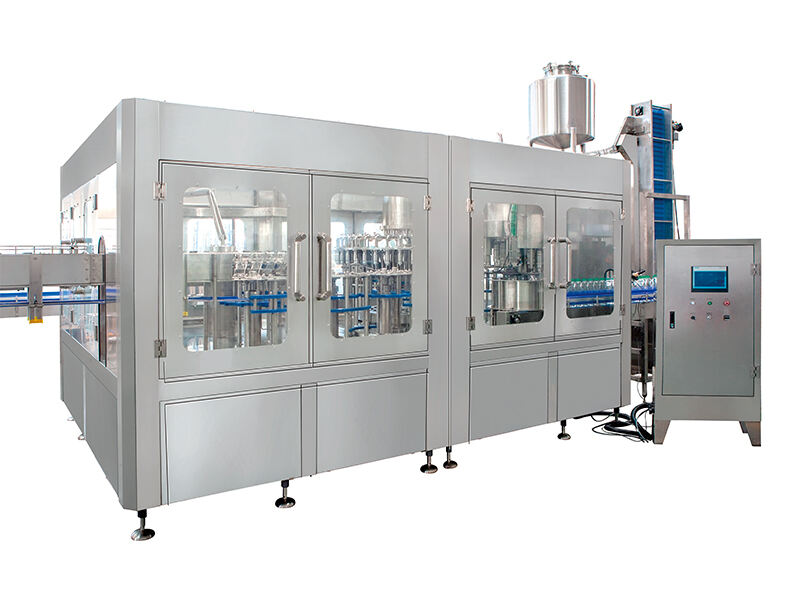
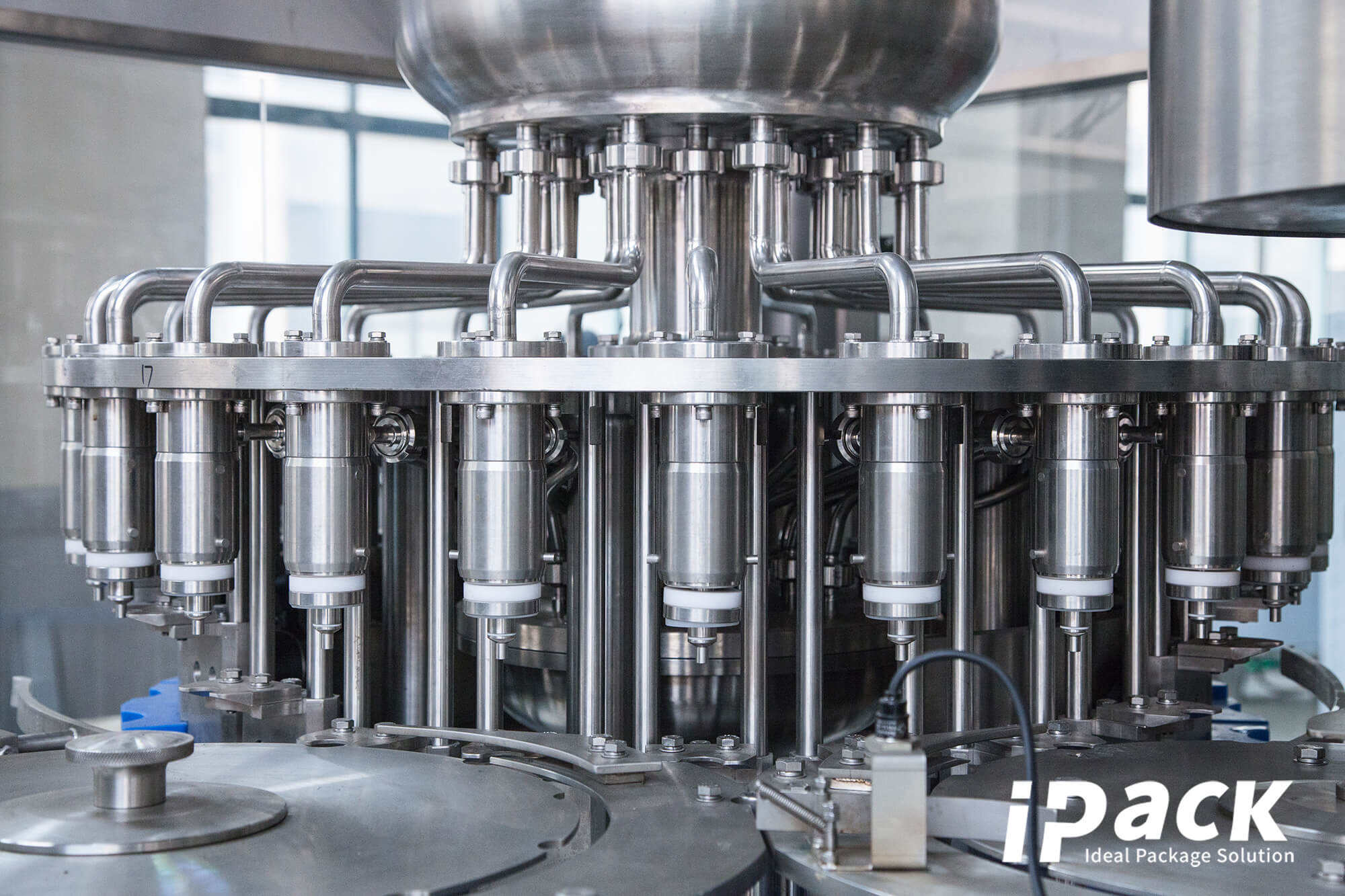
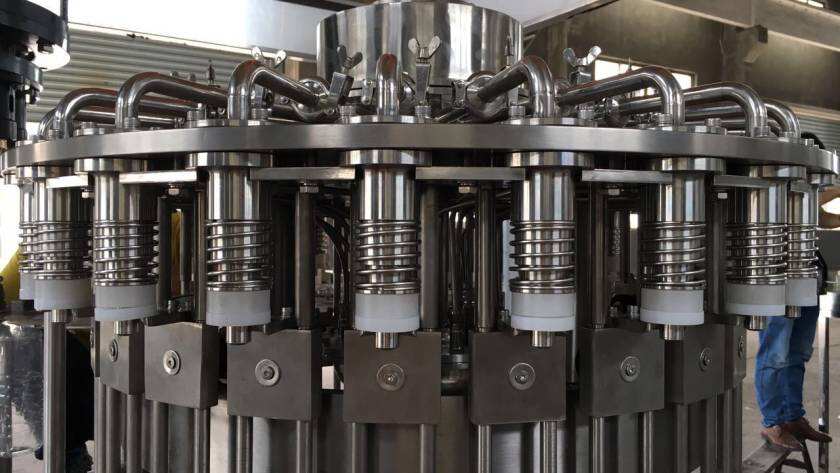
Large-scale food and beverage manufacturers are the core driver of demand for bottling plant machines. These enterprises—producing high-volume products like bottled water, carbonated drinks, fruit juices, and dairy beverages—rely on integrated bottling plant machines to streamline production. A full set of equipment combines bottle washing, filling, capping, labeling, and packaging into one automated line, achieving throughputs of 10,000 to 30,000 bottles per hour. This not only slashes labor costs and shortens production cycles but also ensures consistent filling accuracy and product hygiene—key to meeting national or international food safety standards (such as ISO and FDA) and maintaining brand reputation in competitive mass markets.
Small and medium-sized enterprises (SMEs) and niche product brands form a fast-growing segment for bottling plant machines. With consumers increasingly favoring specialized products—like organic fruit juices, functional mineral water, craft sodas, or small-batch herbal infusions—SMEs need flexible, low-threshold production solutions. Modern bottling plant machines address this with modular designs: businesses can start with a compact line (1,000 to 5,000 bottles per hour) focused on core filling functions, then add modules (e.g., custom labeling, date coding, or eco-friendly packaging) as sales grow. This scalable model avoids overinvestment in unused capacity, allowing SMEs to launch high-value, niche products and compete effectively in regional markets or target specific groups (e.g., health-conscious or eco-aware consumers).
Cross-industry expansion and emerging markets will further widen the prospects of bottling plant machines. Beyond food and beverage, industries like pharmaceuticals (for liquid supplements, oral medications, or medical syrups) and cosmetics (for toners, serums, or haircare liquids) are adopting specialized bottling plant machines. These machines are equipped with sterile chambers, precision dosing systems, and anti-contamination features to meet strict industry regulations. Meanwhile, in emerging markets (such as Southeast Asia, Africa, and Latin America), rising disposable incomes and growing demand for packaged products are driving needs for durable, low-maintenance bottling plant machines. These machines are tailored to local conditions—like adapting to unstable power supplies or varying water quality—while keeping operational costs low, supporting the growth of local manufacturing and unlocking untapped consumer potential.
 EN
EN