Application Prospects of Water Bottling Equipment
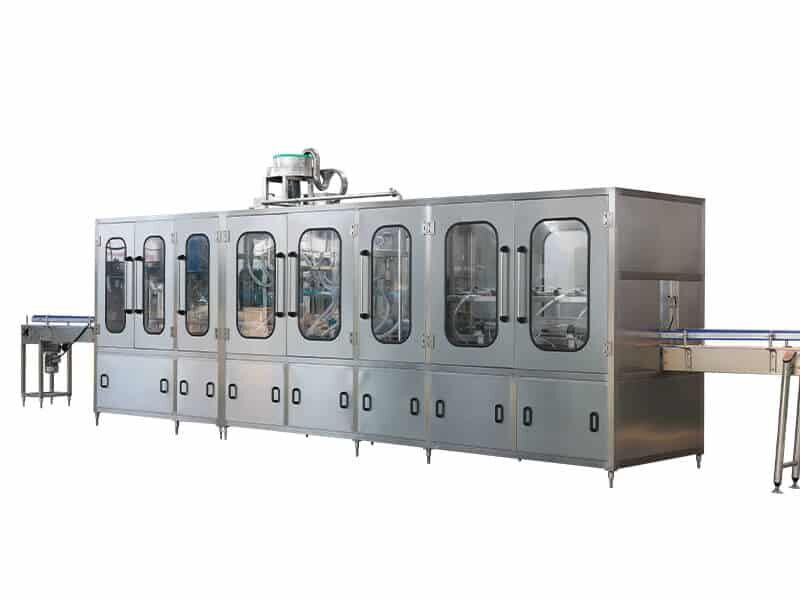
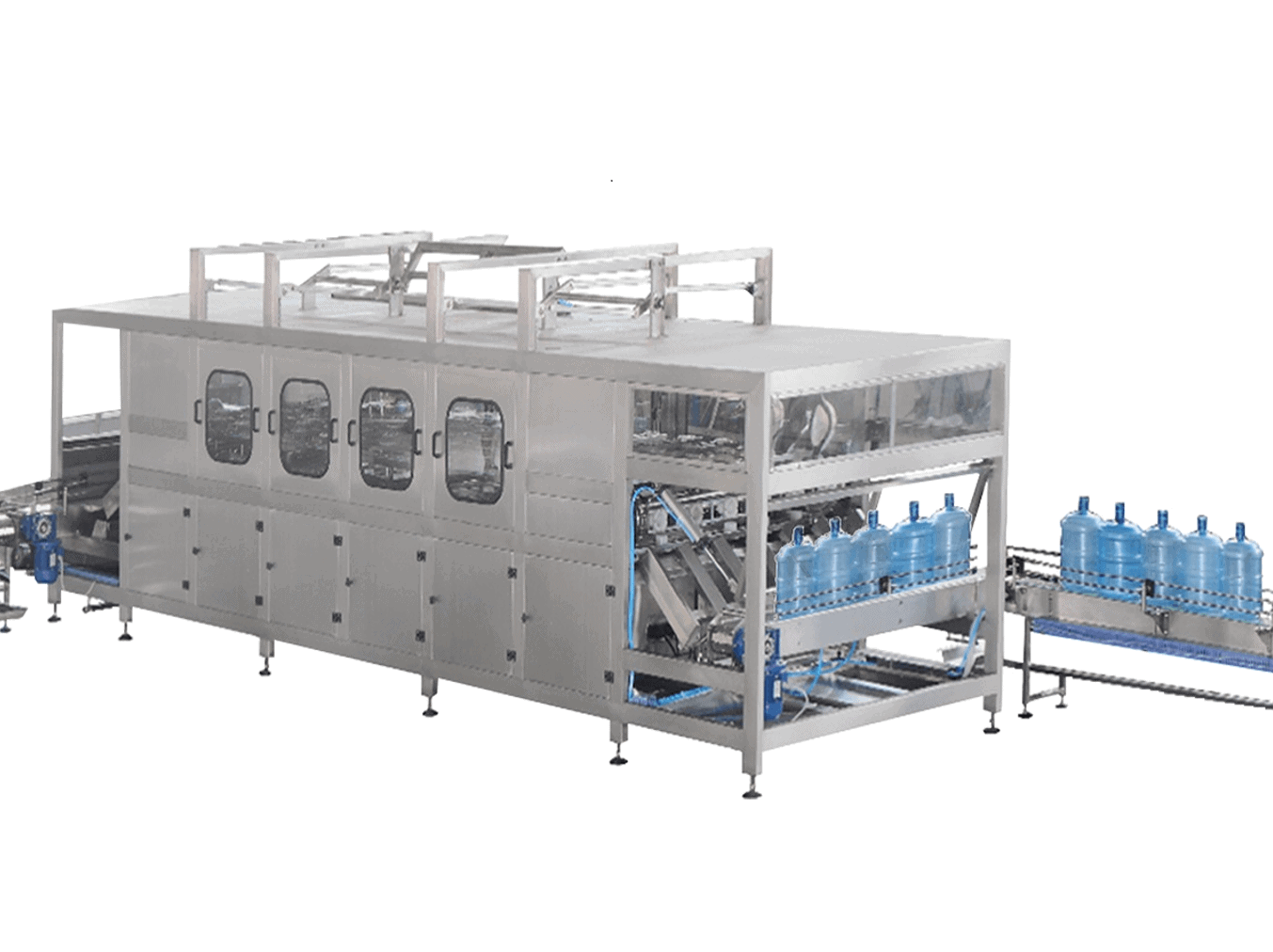
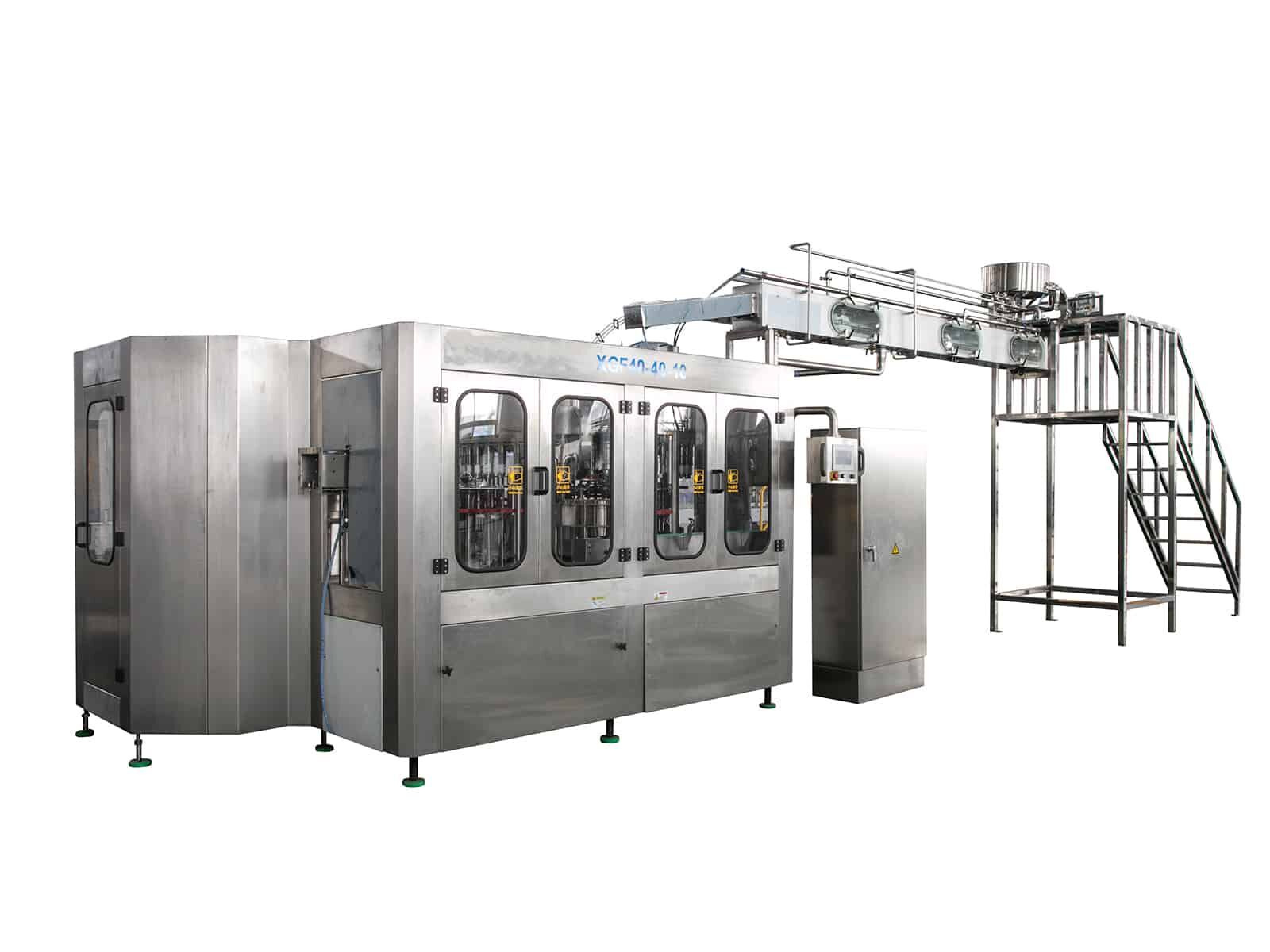
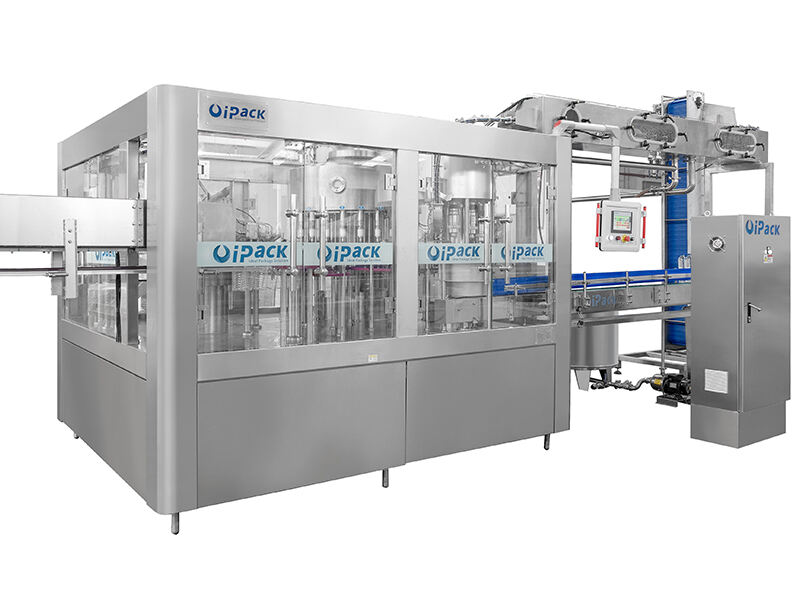
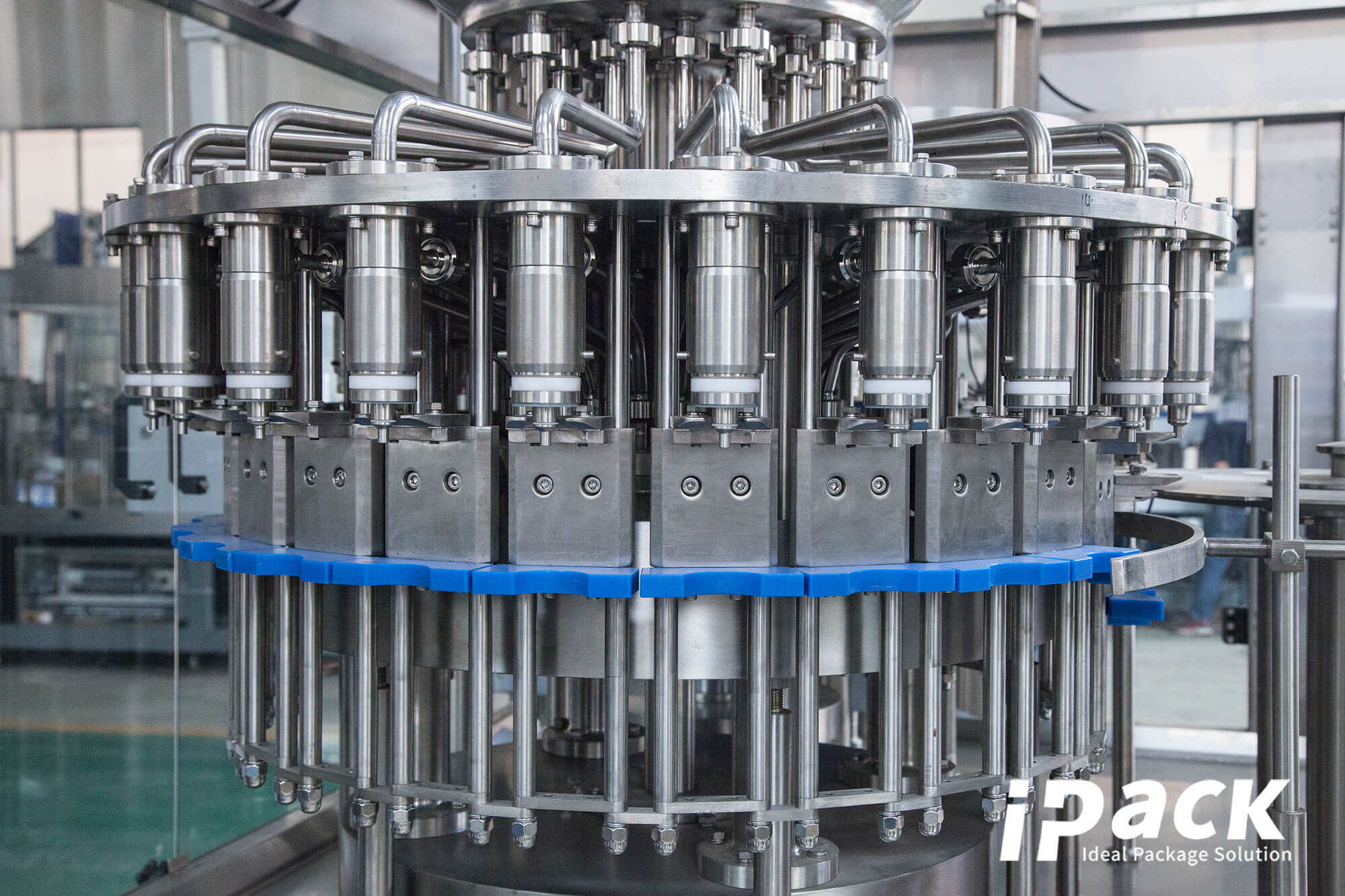
Large and medium-sized bottled water manufacturers will remain the core driver of demand for water bottling equipment. As global consumption of packaged drinking water continues to rise—fueled by urbanization, improved health awareness, and the need for safe drinking water in water-scarce regions—these enterprises require high-efficiency, integrated equipment. Modern water bottling lines can handle multi-format production (from 330ml small bottles to 18.9L barreled water) with throughputs of 5,000 to 20,000 bottles per hour, while integrating bottle washing, disinfection, filling, capping, and labeling. This not only ensures compliance with strict food safety standards (such as ISO and local health regulations) but also reduces unit production costs through scale, helping manufacturers maintain competitiveness in the mass market.
Small and medium-sized enterprises (SMEs) and niche water brands represent a fast-growing segment for water bottling equipment. With the rise of consumer demand for personalized and functional water products—such as organic mineral water, alkaline water, and fortified water (with added vitamins or electrolytes)—SMEs need flexible, low-threshold equipment. Unlike traditional large-scale lines, modern modular water bottling equipment offers adjustable capacities (1,000 to 5,000 bottles per hour) and supports quick format switching. This allows SMEs to start with small-batch production, test market response, and gradually expand capacity as sales grow, lowering the initial investment barrier and enabling them to compete in regional markets or target niche groups (e.g., health-conscious consumers or eco-friendly brands).
Emerging markets and special scenario applications will further expand the prospects of water bottling equipment. In regions like Southeast Asia, Africa, and Latin America, rising disposable incomes and improving infrastructure are driving rapid growth in packaged water demand. Water bottling equipment tailored to these markets—with features like durability, low energy consumption, and adaptability to unstable power/water supplies—will be in high demand. Additionally, special scenarios such as on-site bottling for resorts, communities, or disaster relief are opening new opportunities: portable, compact water bottling equipment can process local filtered water into safe, packaged bottles on-site, reducing transportation costs and ensuring timely supply of drinking water. This versatility makes water bottling equipment relevant beyond traditional manufacturing, tapping into unmet market needs.
 EN
EN