Application Areas of Bottling Machines: Aligning with Cost and Production Needs
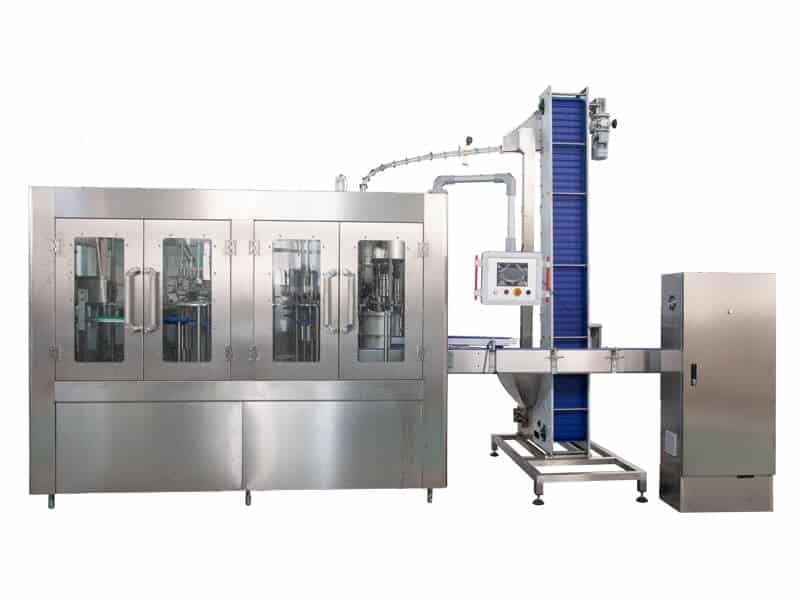
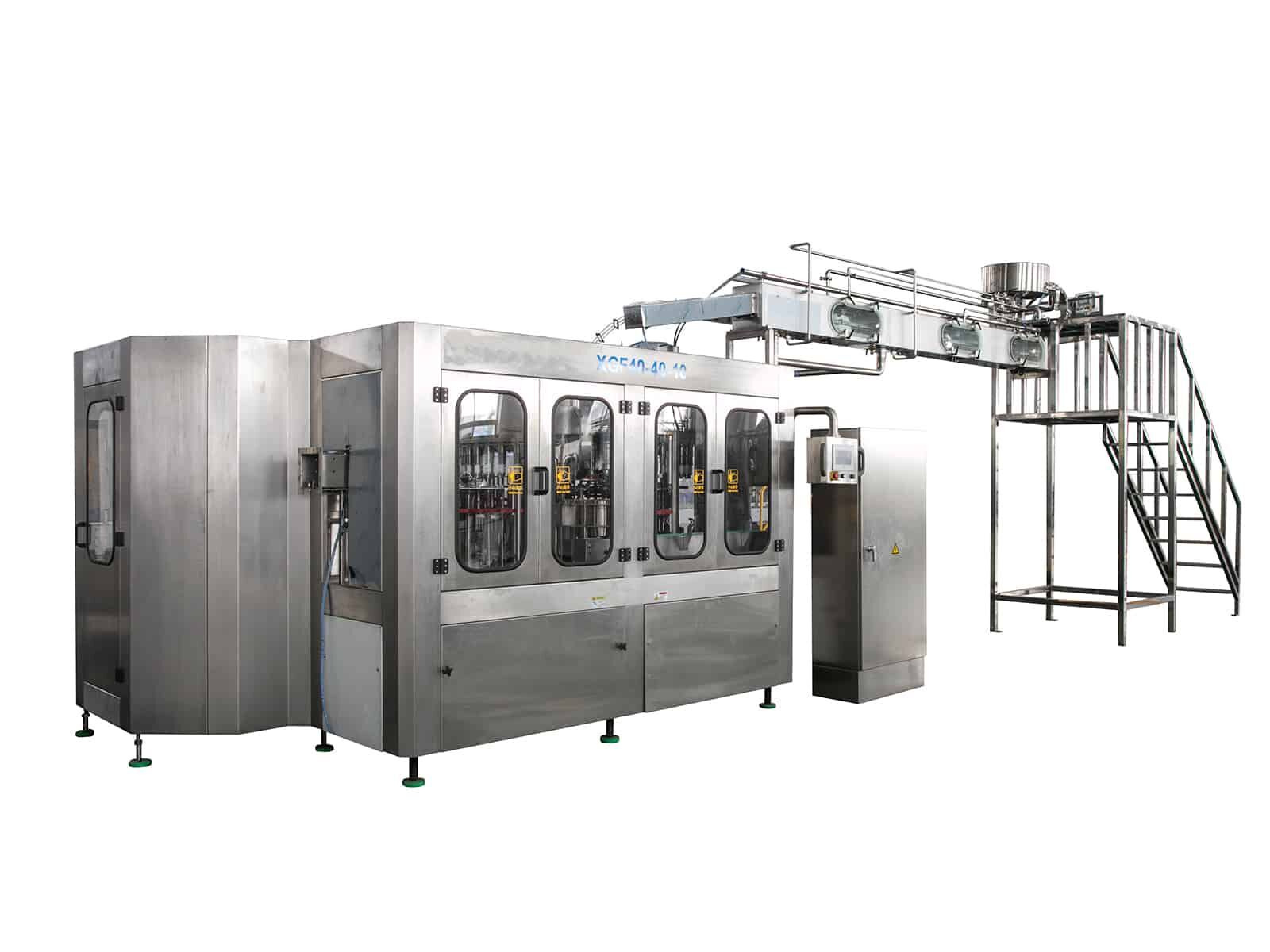
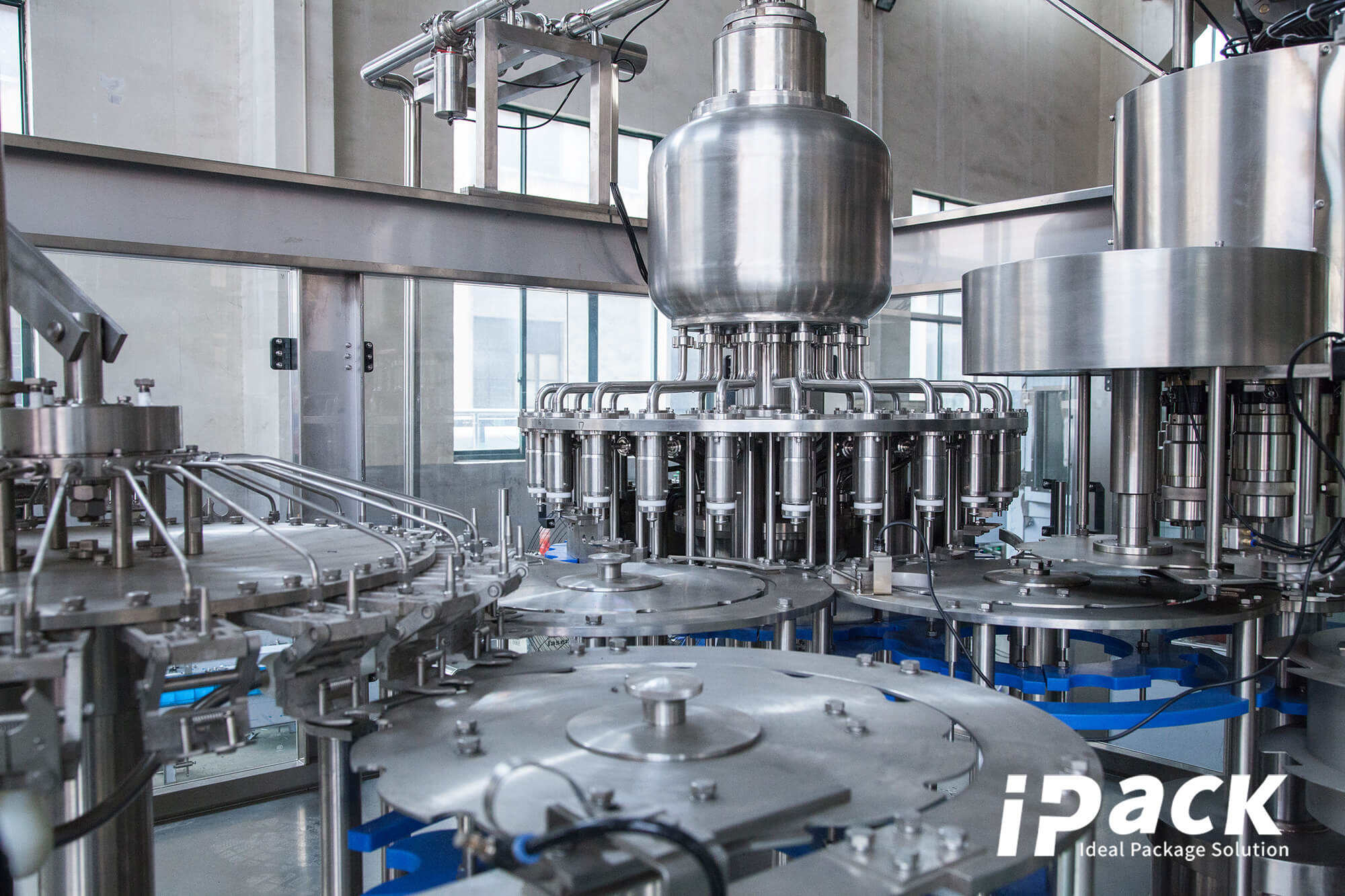
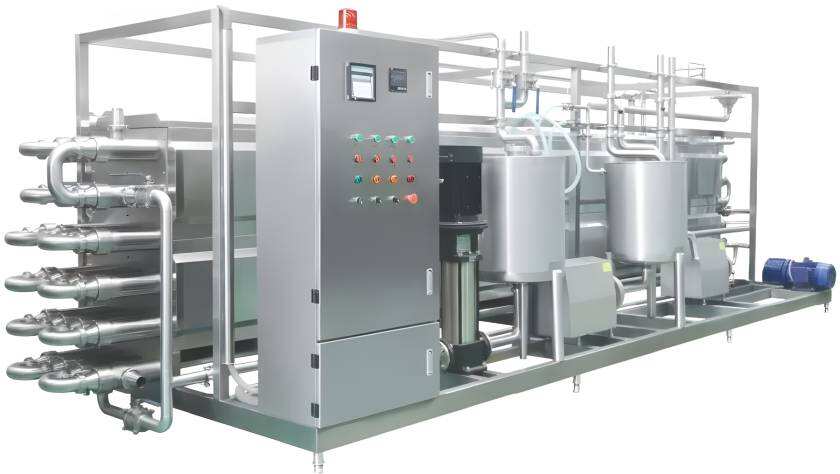
Large-scale beverage and food manufacturers are the primary application area for bottling machines, where cost aligns with high-efficiency demands. These enterprises—producing bottled water, carbonated drinks, fruit juices, or sauces—require high-throughput bottling lines (often 5,000–20,000 bottles per hour) to meet mass market needs. The cost here goes toward integrated systems that combine bottle washing, filling, capping, and labeling, reducing long-term labor and operational costs. While the upfront investment is higher, the unit filling cost drops significantly with scale, making it cost-effective for brands targeting national or international markets.
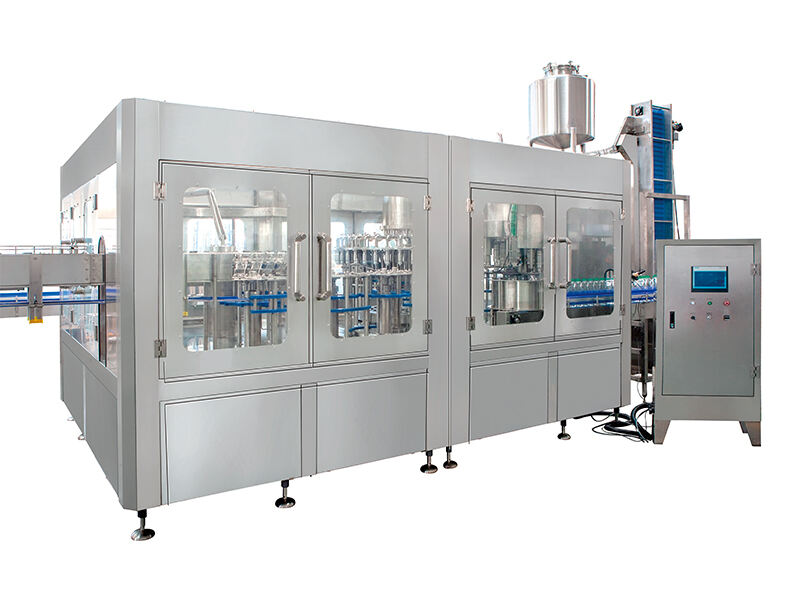
Small and medium-sized enterprises (SMEs) and niche brands form a fast-growing application segment, where cost flexibility is key. These businesses—such as local craft beverage makers, organic sauce producers, or specialty mineral water brands—typically need smaller-capacity machines (1,000–5,000 bottles per hour) that avoid overinvesting in unused capacity. Modular bottling machines fit this area well: their cost structure allows SMEs to start with core filling functions and add modules (like labeling or date coding) later as sales grow. This “pay-as-you-grow” cost model makes bottling machines accessible for SMEs aiming to compete in regional markets or cater to niche consumer groups (e.g., zero-waste, organic).
Cross-industry small-batch scenarios expand the application scope, where cost is tied to versatility and compactness. This includes catering businesses (e.g., cafes bottling homemade iced coffee or restaurants selling signature dressings), convenience store chains producing private-label bottled snacks, and even pharmaceutical companies bottling liquid supplements. The cost here leans toward compact, easy-to-operate machines that don’t require large factory spaces. For example, a cafe’s bottling machine might cost a fraction of a large-scale line but still ensures hygienic filling, helping the business monetize proprietary products without high overhead. These scenarios prioritize low initial cost and quick return on investment over maximum throughput.
 EN
EN