Application Prospects of Filling Water Machines
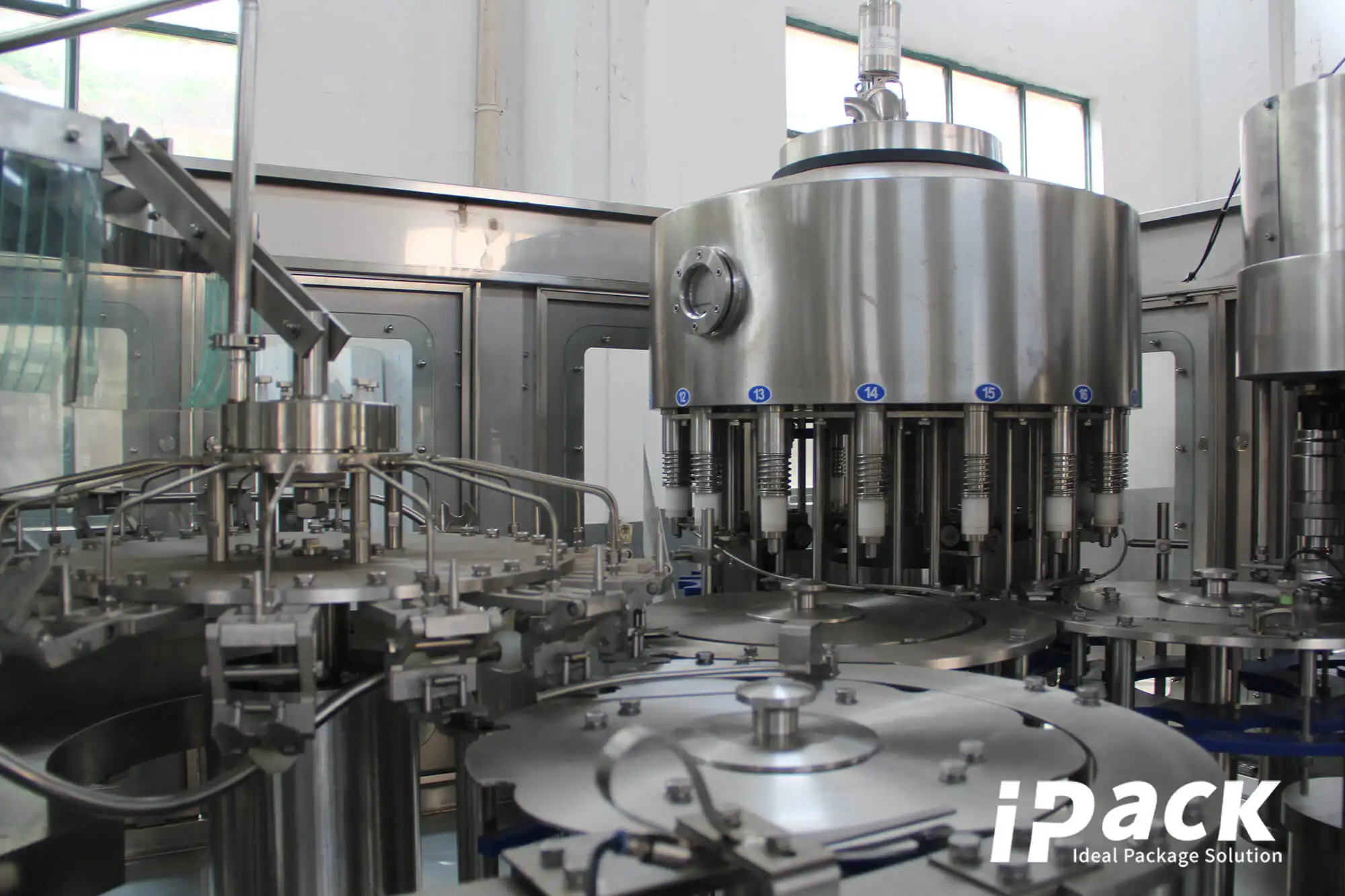
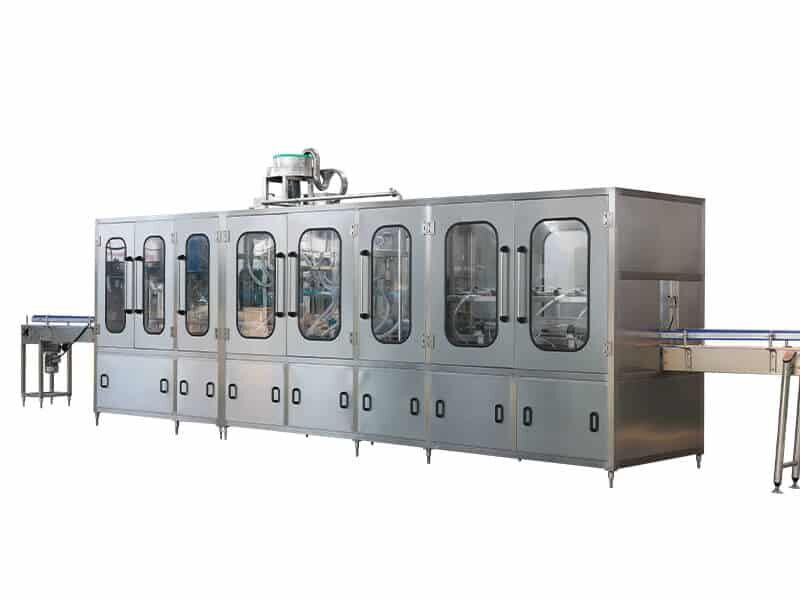
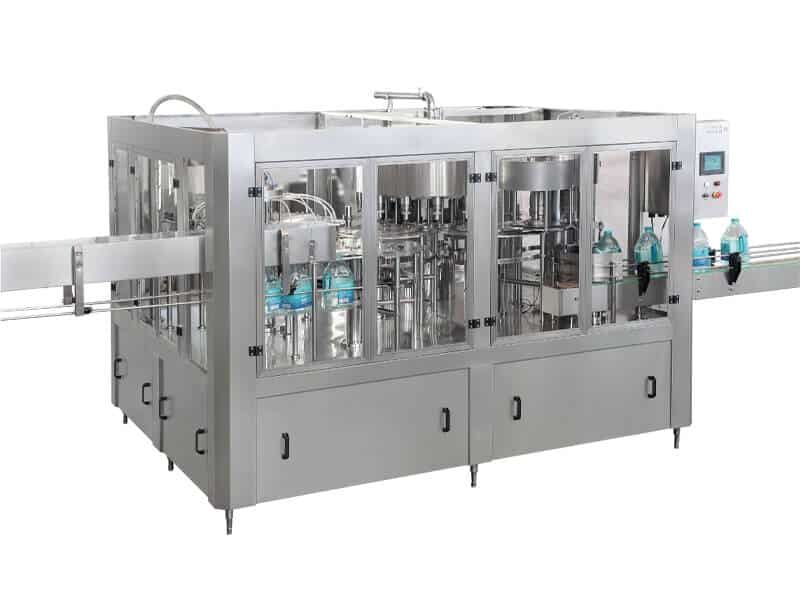
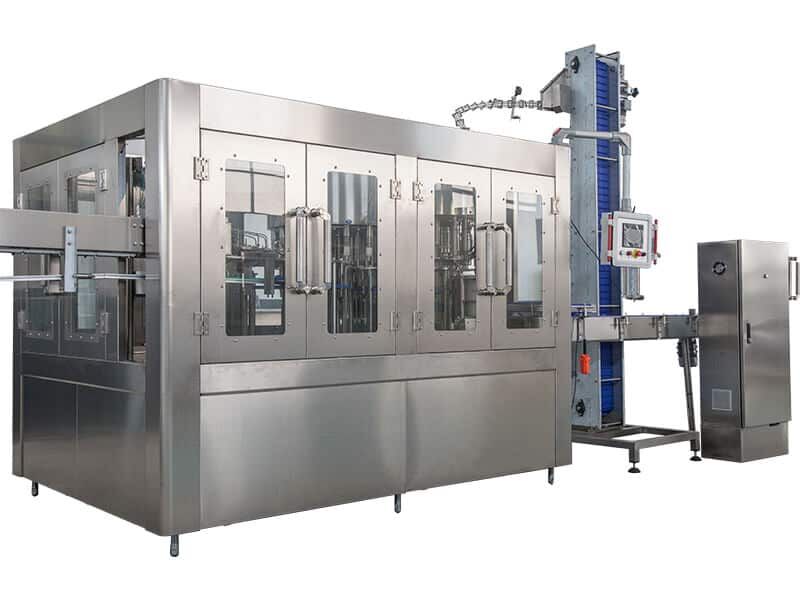
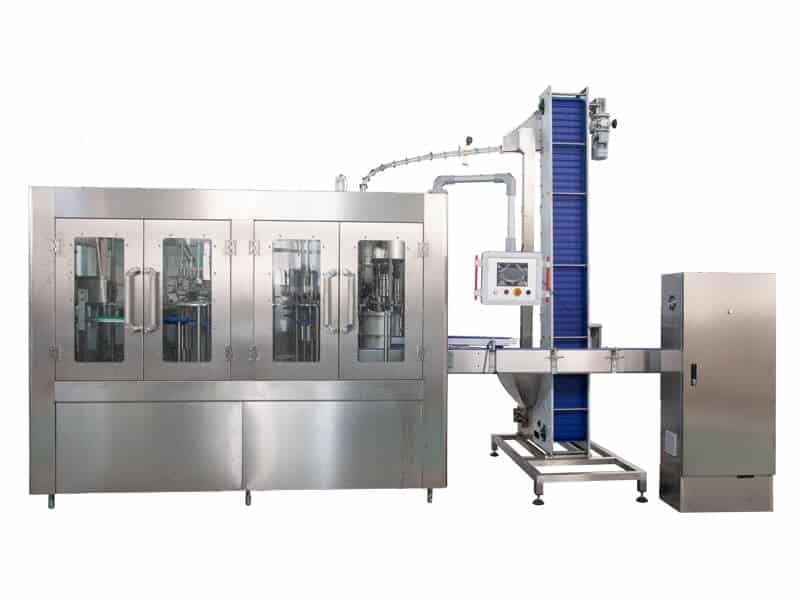
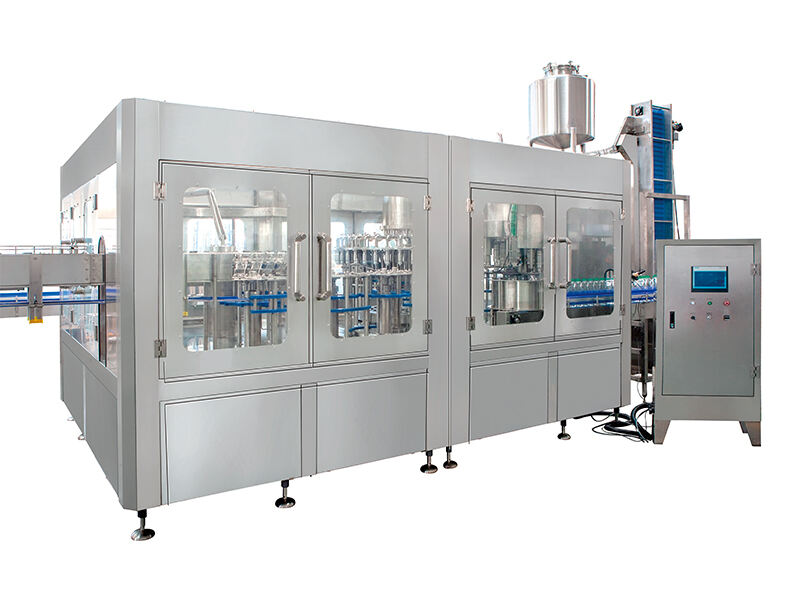
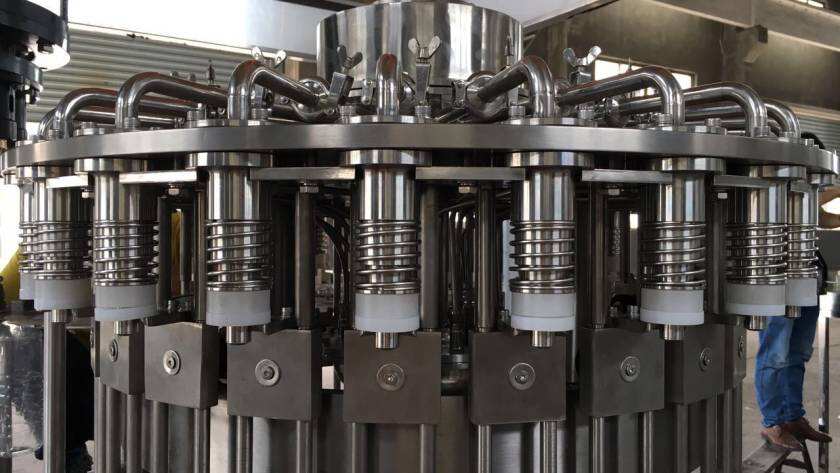
Local and regional bottled water businesses (including small-scale manufacturers and family-owned brands) will be the core driver of demand for filling water machines. As consumers increasingly prioritize fresh, locally sourced packaged water—avoiding long-distance transportation and potential quality degradation—these businesses need equipment that balances efficiency and affordability. Modern filling water machines cater to this with compact designs, adjustable capacities (1,000–5,000 bottles per hour), and compatibility with common bottle sizes (330ml to 2L). They eliminate the need for costly large-scale lines, allowing local brands to produce small-batch, fresh bottled water (such as mineral water, filtered tap water, or infused water) while controlling production costs. This not only helps them compete with national brands in regional markets but also taps into the growing "local consumption" trend, expanding their market share.
Cross-industry small-batch production scenarios will further widen the application prospects of filling water machines. Beyond dedicated bottled water brands, businesses like cafes, gyms, hotels, and health food stores are increasingly launching proprietary bottled water products to enhance branding and add revenue streams. For example, cafes may bottle fruit-infused water or cold-brew coffee (using water-focused filling functions), gyms can offer electrolyte-fortified water, and hotels might provide branded mineral water for guests. Filling water machines fit these needs perfectly: they are easy to operate, require minimal space, and support quick formula switching. Unlike specialized beverage equipment, they focus on the core water-filling process, making them cost-effective for businesses looking to test new product lines without heavy investment—turning auxiliary services into profitable extensions.
Emerging markets and community-focused scenarios represent untapped potential for filling water machines. In regions like Southeast Asia, Africa, and rural areas of developing countries, rising disposable incomes are boosting demand for safe packaged water, but large-scale bottling plants are often unaffordable or logistically unfeasible. Filling water machines, with their low upfront costs, durability, and adaptability to unstable power/water supplies, become ideal solutions for local entrepreneurs. Additionally, in community scenarios—such as disaster relief, remote schools, or rural health centers—portable or semi-portable filling water machines can process locally filtered water into sterile bottled water on-site, solving urgent drinking water safety issues. This "on-demand" application not only addresses basic needs but also creates business opportunities for local service providers, making filling water machines a versatile tool for both commercial and social impact.
 EN
EN