Wine Bottling Line: Core Application Areas for Wineries & Wine Producers
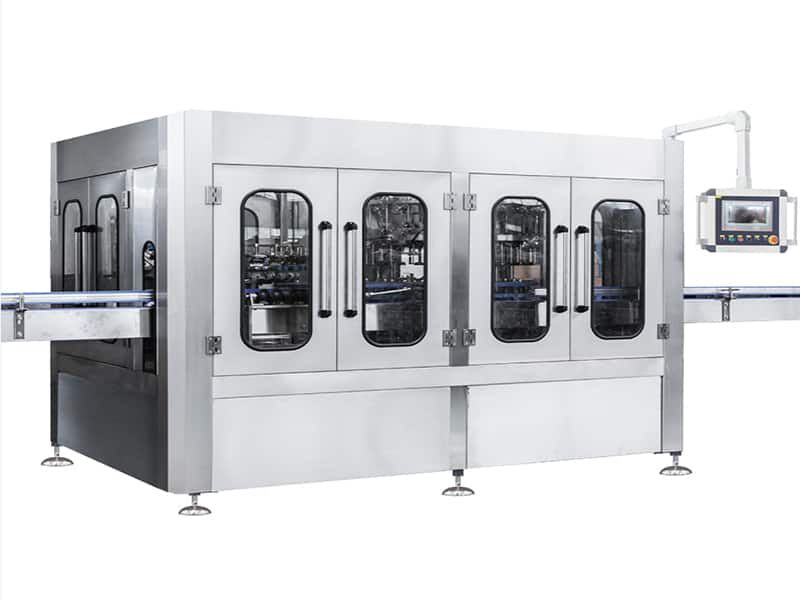
Small and medium-sized wineries, boutique vineyards, and family-owned estates rely on flexible wine bottling lines. These compact, semi-automated systems support small-batch production of premium table wines, limited-edition vintages, and regional specialties—adapting to standard bottle sizes (750ml) and specialty formats (magnums, splits). They integrate filling, corking/capping, labeling, and shrink-wrapping functions, enabling direct-to-consumer sales (winery tasting rooms, online DTC), partnerships with local restaurants, and distribution to boutique wine shops without large-scale infrastructure.
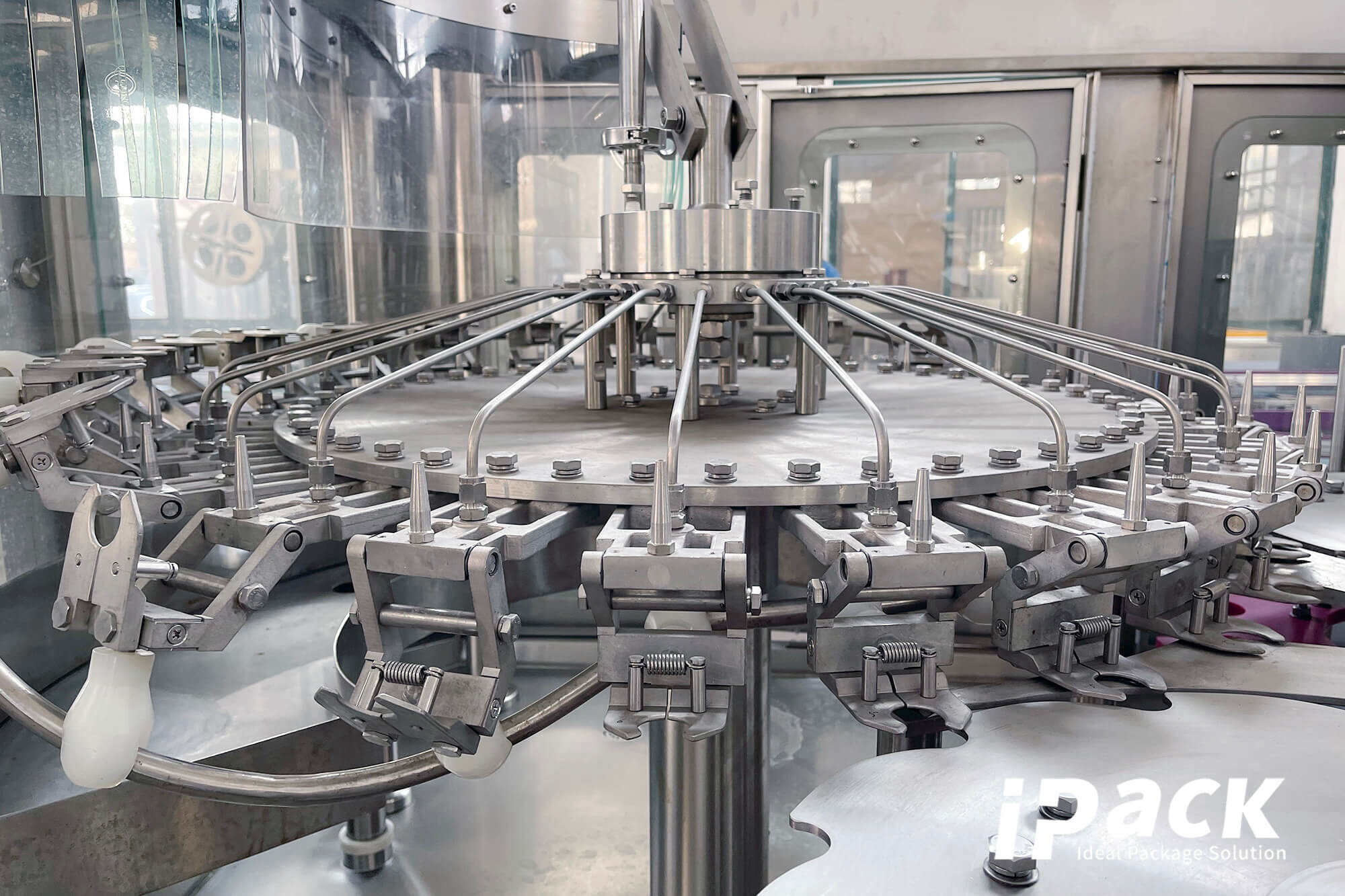
Premium and specialty wine segments (organic, biodynamic, ice wine, dessert wine, and aged reserve wines) depend on specialized wine bottling lines. These systems feature gentle filling technology to avoid sediment disturbance, inert gas (nitrogen/argon) purging to prevent oxidation, and aseptic processing to preserve delicate aromas and flavor profiles. Compatible with high-end packaging (crystal bottles, custom labels, wax sealing), they cater to luxury wine markets, upscale hotels, fine dining establishments, and international premium wine retailers.
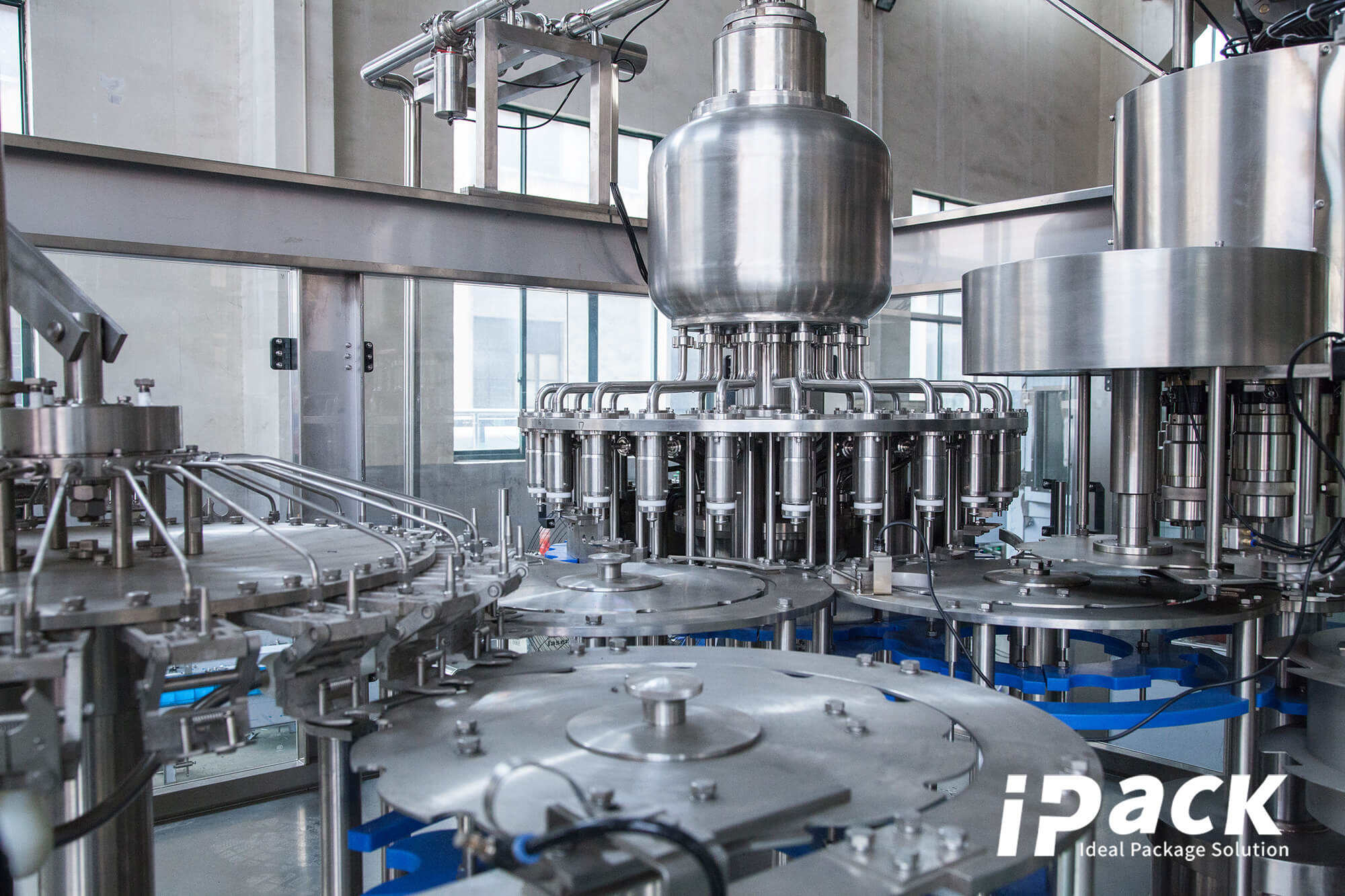
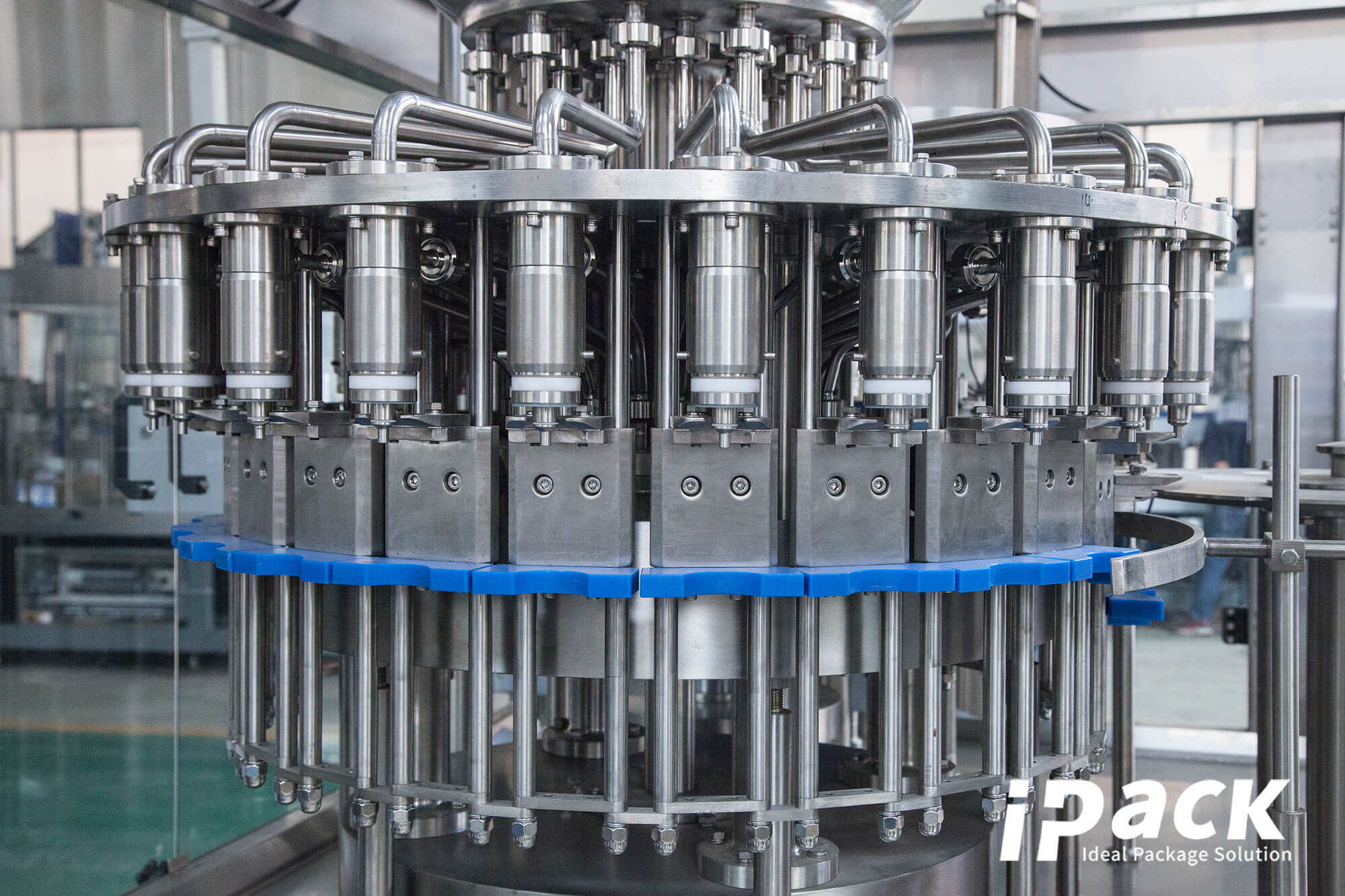
Large-scale wineries and global wine conglomerates leverage industrial-grade automated wine bottling lines for mass production. These high-speed systems handle thousands of bottles per hour, integrating seamlessly with upstream winemaking processes (fermentation, filtration, aging) and downstream packaging (cartoning, palletizing). They support diverse bottle sizes, closure types (cork, screw cap, synthetic cork), and multi-language labeling, enabling efficient supply to supermarkets, chain liquor stores, duty-free shops, and international distribution networks.
 EN
EN