Application Prospects of Filling Machine Water
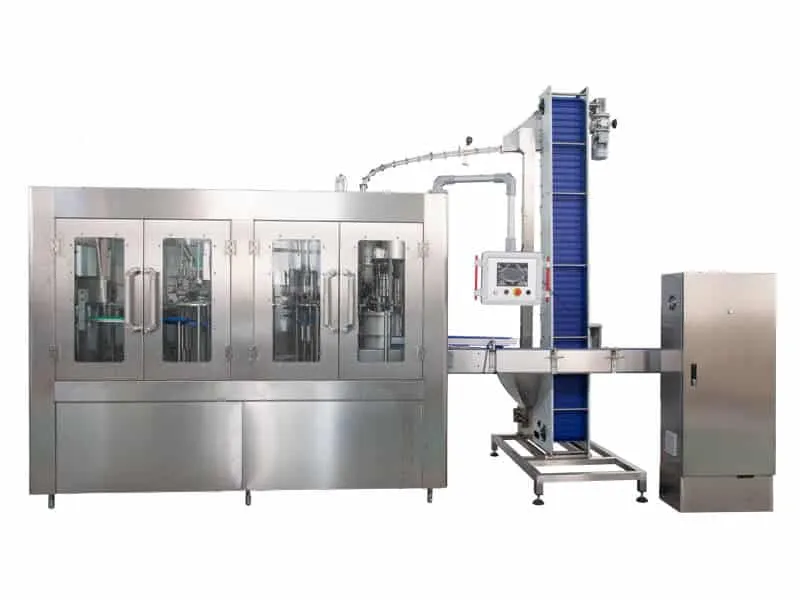
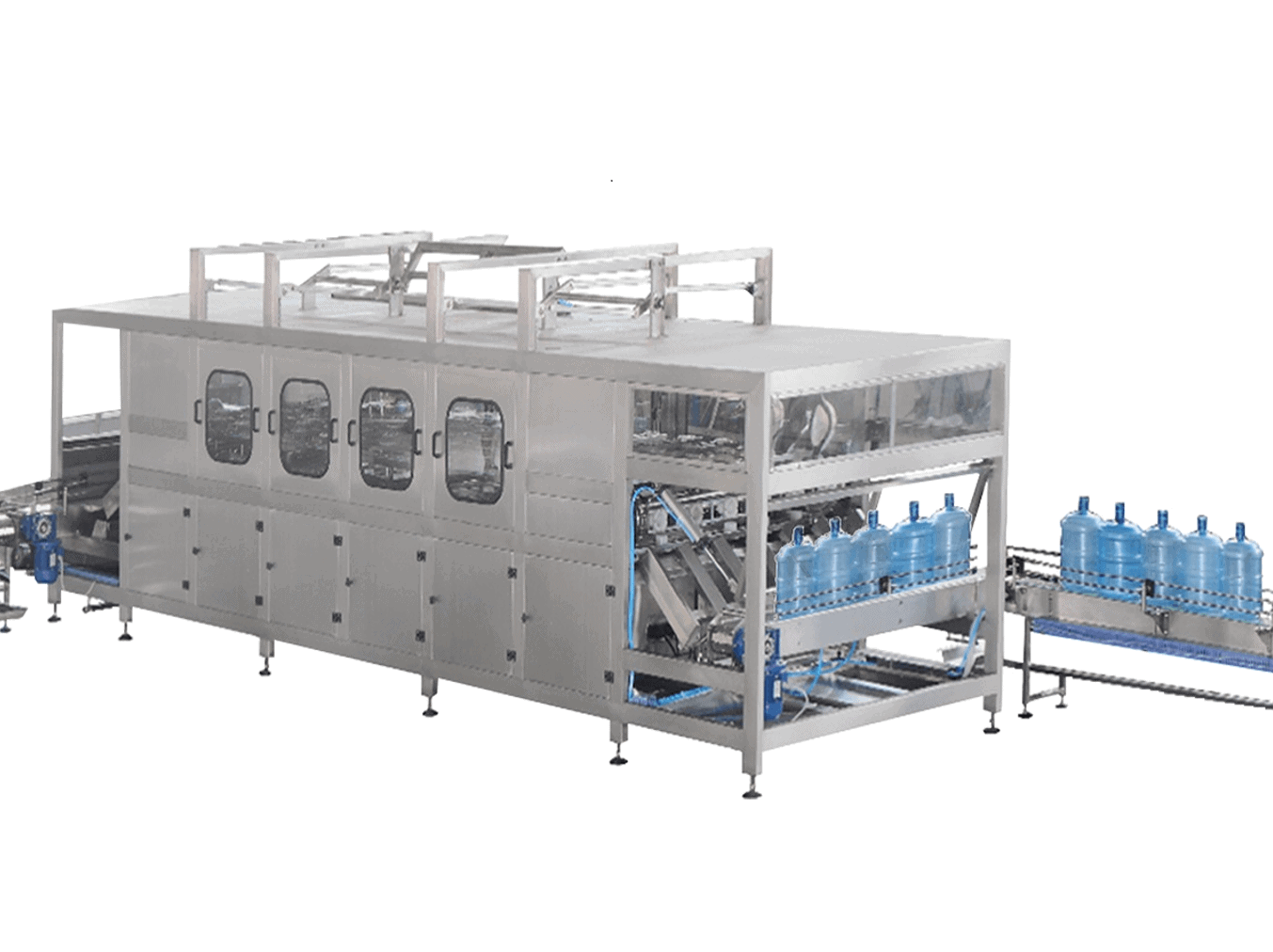
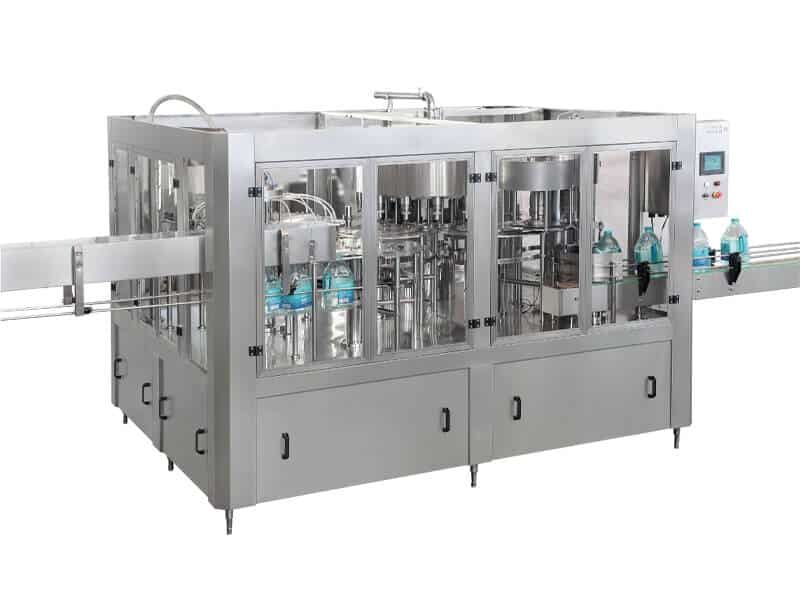
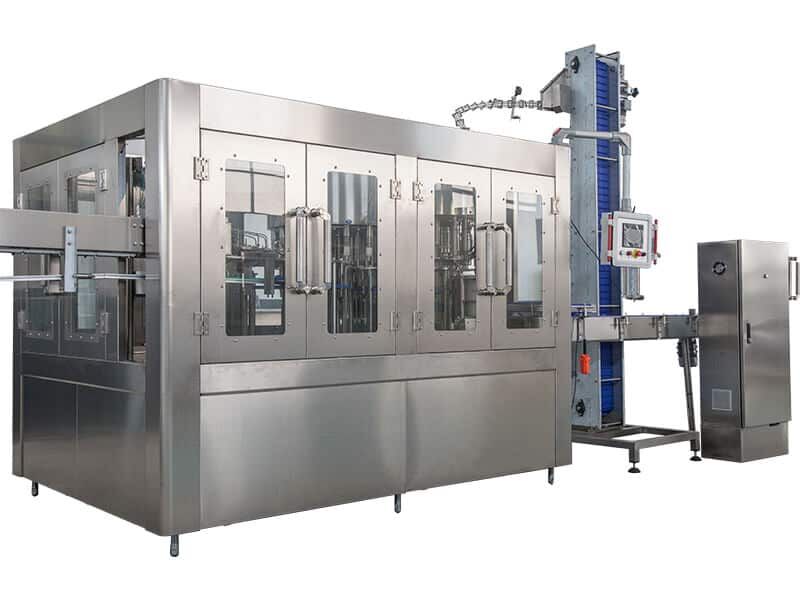
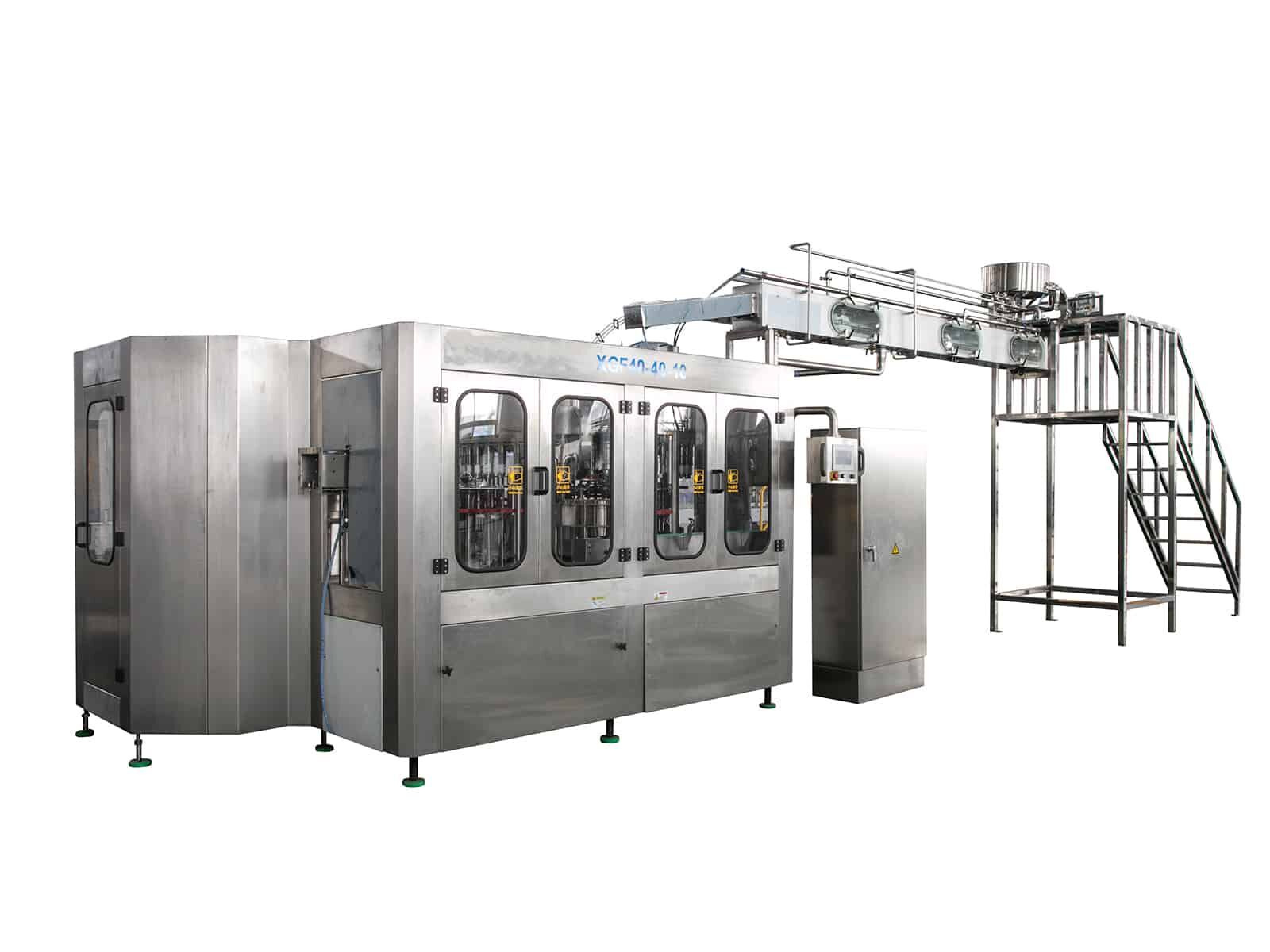
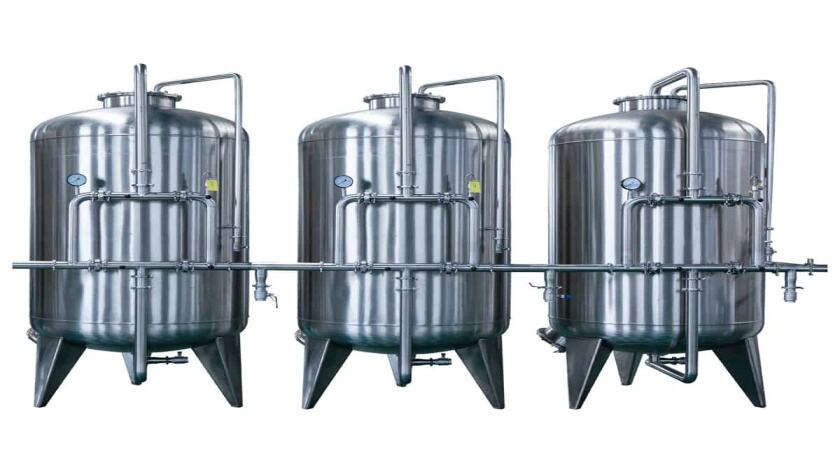
Local small and medium-sized bottled water enterprises will be the core demand group for filling machine water. As consumers pay more attention to the freshness of packaged water and the "local consumption" trend rises, these enterprises—such as community-based mineral water workshops or regional filtered water brands—do not need large-scale production lines but require cost-effective, easy-to-operate filling equipment. Filling machine water meets this need with its compact design, adjustable filling speed (500–3,000 bottles per hour), and compatibility with common bottle sizes (330ml–2L). It can complete basic processes like water disinfection, quantitative filling, and simple capping, helping local businesses control initial investment and production costs while ensuring water quality. This allows them to quickly occupy nearby markets (such as neighborhood stores, small supermarkets, and office buildings) and compete with large brands in terms of freshness and price.
Cross-industry small-batch water product development will further expand the application scope of filling machine water. Beyond professional bottled water manufacturers, businesses in catering, fitness, and tourism are increasingly launching proprietary water products to enhance brand identity and increase revenue. For example, cafes can use filling machine water to bottle fruit-infused water (like lemon mint water) as a supporting product; gyms can produce electrolyte-added water for members; and scenic area hotels can launch branded mineral water for guests. Filling machine water has low requirements for site and operation, and supports quick formula switching—no need for professional technicians to adjust parameters. This enables non-water-focused businesses to easily enter the small-batch bottled water market, turning auxiliary services into new profit points.
Emerging markets and emergency scenarios will unlock more potential for filling machine water. In rural areas of developing countries or regions with underdeveloped infrastructure (such as parts of Southeast Asia and Africa), large-scale water filling plants are difficult to popularize due to high investment and complex maintenance. Filling machine water, with its low energy consumption, durability, and adaptability to unstable water sources, becomes the first choice for local entrepreneurs to start bottled water businesses. It helps solve the problem of safe drinking water supply in these regions while creating employment opportunities. Additionally, in emergency scenarios like natural disasters (floods, earthquakes) or temporary large-scale events (outdoor concerts, sports meets), portable filling machine water can process pre-filtered water into sterile bottled water on-site, ensuring timely supply of safe drinking water and avoiding the logistical pressure of transporting a large number of pre-packaged water products.
 EN
EN