Application Prospects of Water Filling Machines in Global Water & Beverage Sectors
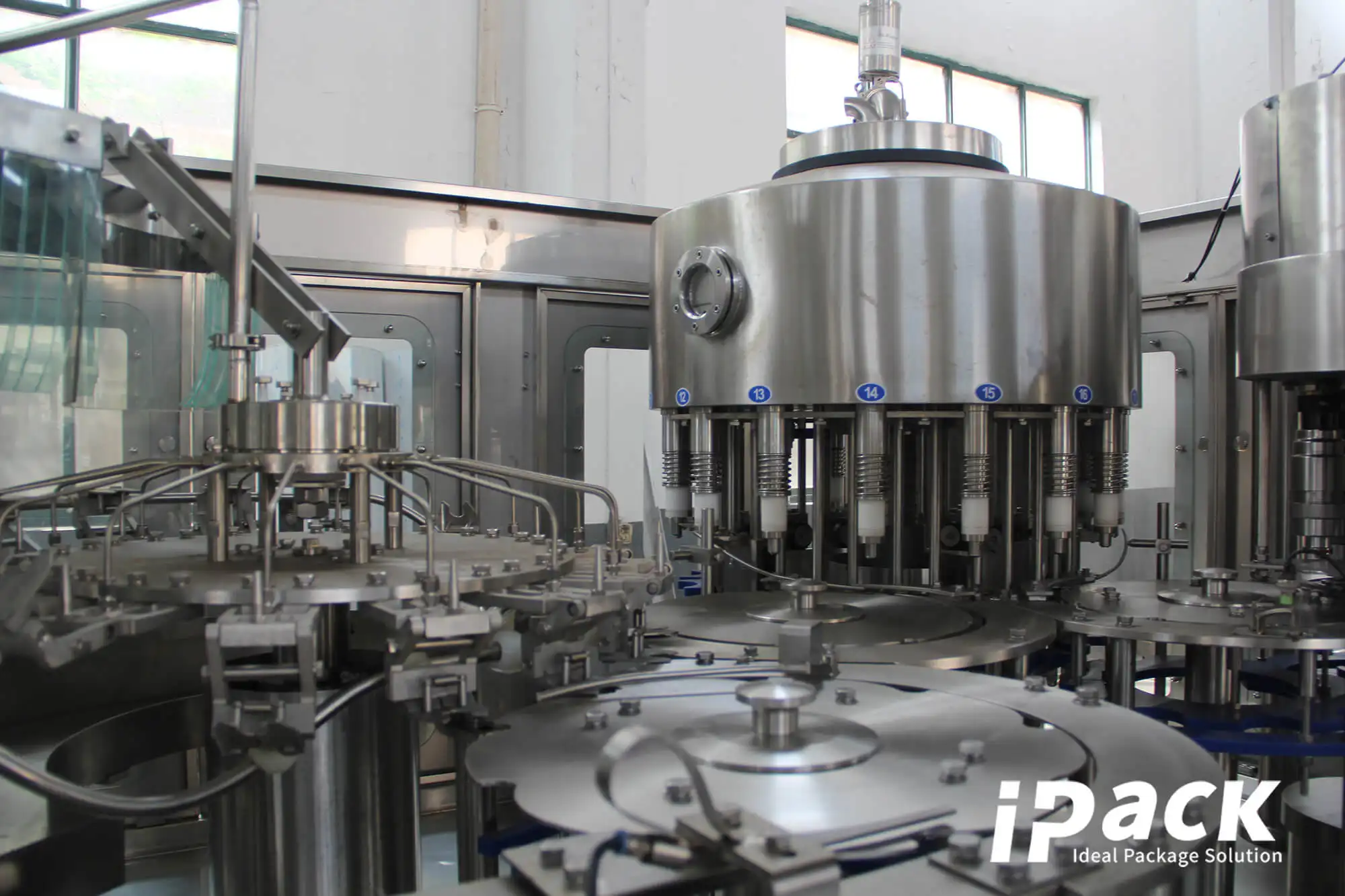
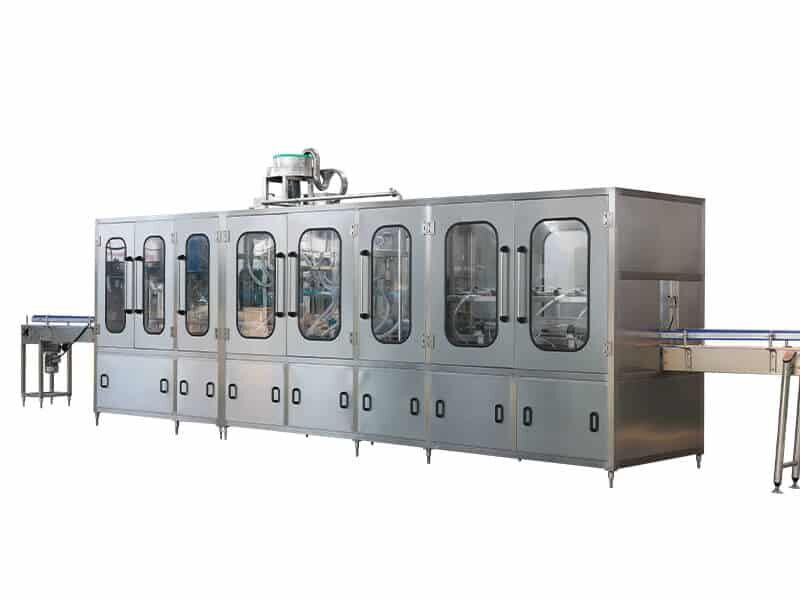
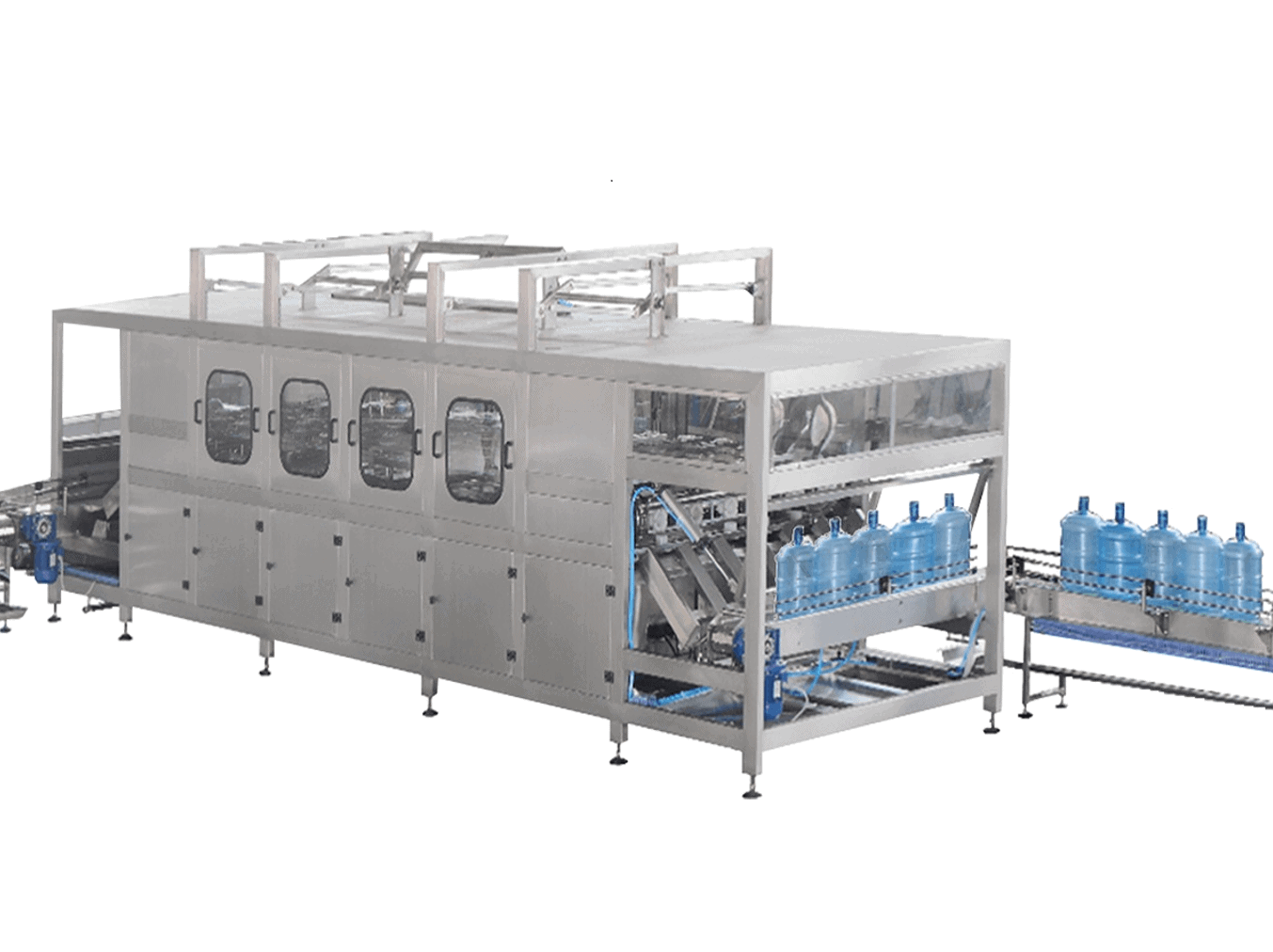
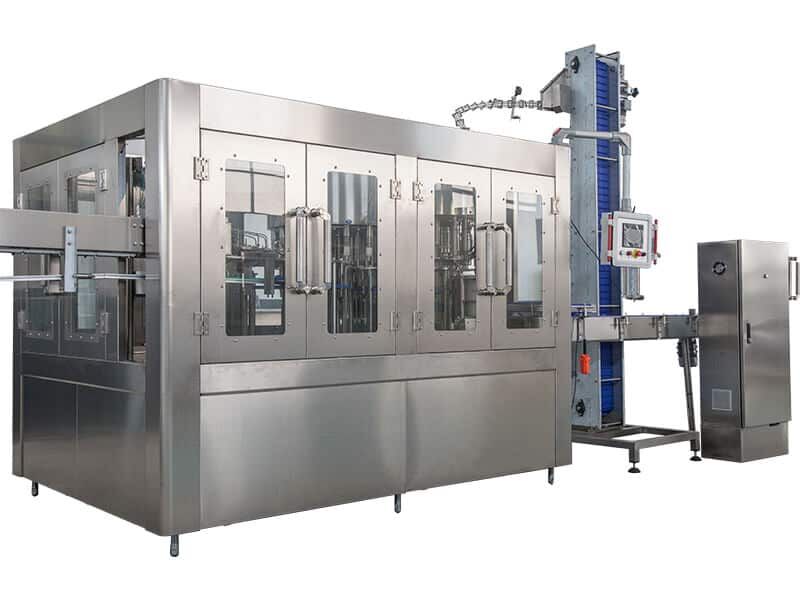
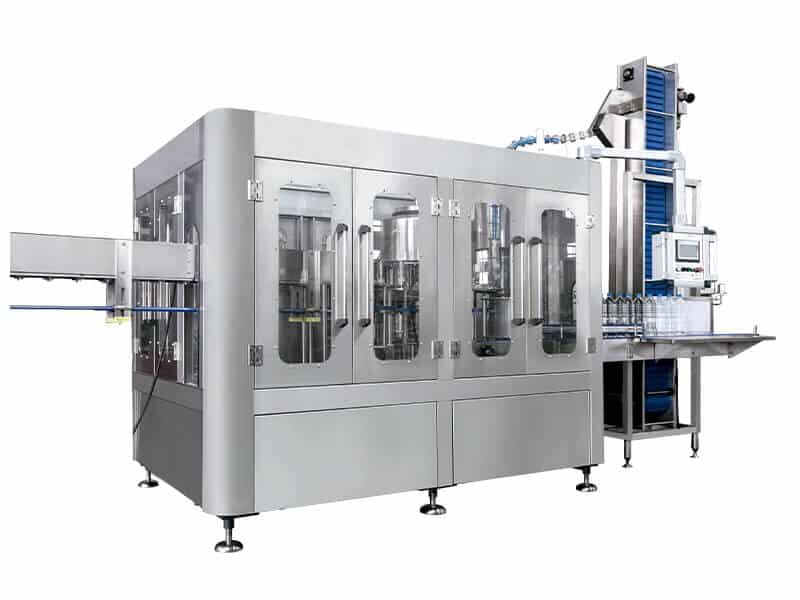
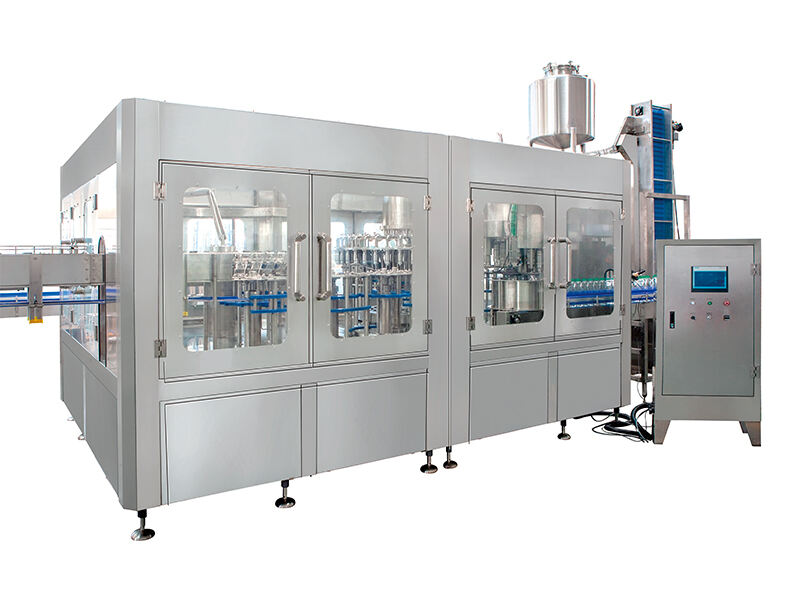
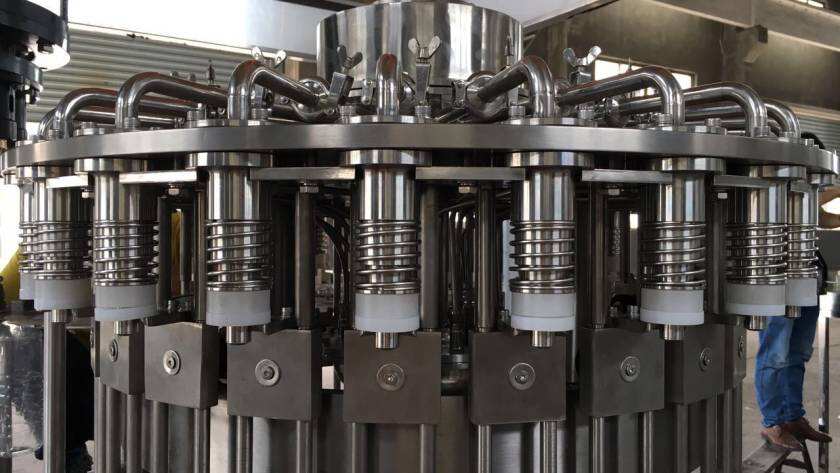
Large-scale bottled water and beverage manufacturers will remain the primary drivers of demand for water filling machines, fueled by the steady growth of the global packaged water market (expected to expand at a CAGR of 7–9% through 2030). These enterprises produce billions of bottles annually—spanning 330ml cans, 500ml portable bottles, and 19L commercial barrels—and require high-speed, fully automatic water filling machines to integrate with their end-to-end production lines. Modern models can process 2,000–10,000 bottles per hour, support quick switching between container sizes, and sync with capping, labeling, and packing equipment to minimize downtime. As global consumers prioritize convenient hydration options, these machines will be critical for manufacturers to scale output, meet retail demands, and maintain competitiveness in fast-paced markets.
Small and medium-sized enterprises (SMEs) in the water and beverage space—including local mineral water brands, craft flavored water startups, and regional functional beverage makers—represent a fast-growing segment for water filling machine applications. Unlike large manufacturers, SMEs often operate with limited budgets and flexible production needs (e.g., 5,000–50,000 bottles monthly) and require solutions that balance efficiency and affordability. Compact semi-automatic or modular fully automatic water filling machines address this: they cost 30–50% less than industrial-scale models, handle 100–500 bottles per hour, and can adjust to different bottle shapes (slim, square, cylindrical) in minutes. As consumers increasingly seek niche, locally sourced products (e.g., "artisanal spring water" or "herbal-infused hydration"), these machines will enable SMEs to streamline production, launch new products quickly, and compete with larger brands.
On-site and sustainability-focused scenarios are opening new growth avenues for water filling machines, driven by global efforts to reduce single-use plastic waste. Convenience stores, gas stations, and community hubs are adopting portable, small-scale water filling machines to offer "on-demand" filling: customers bring reusable containers, have them filled with filtered/purified water, and sealed on the spot. This cuts plastic waste by 40–60% for retailers and eliminates the need to stock pre-packaged bottles. Event organizers—for marathons, music festivals, and outdoor gatherings—also rely on these machines to provide hygienic, fresh water without the logistical burden of transporting bulk pre-packaged products. Additionally, eco-friendly brands and zero-waste initiatives use small water filling machines to set up in-store refill stations, aligning with consumer demand for greener options. As sustainability regulations tighten and eco-conscious purchasing becomes mainstream, this segment will expand the machine’s use beyond traditional factories into everyday retail and community spaces.
 EN
EN