Water Filling Machine Price: Application Prospects Across Key Industries
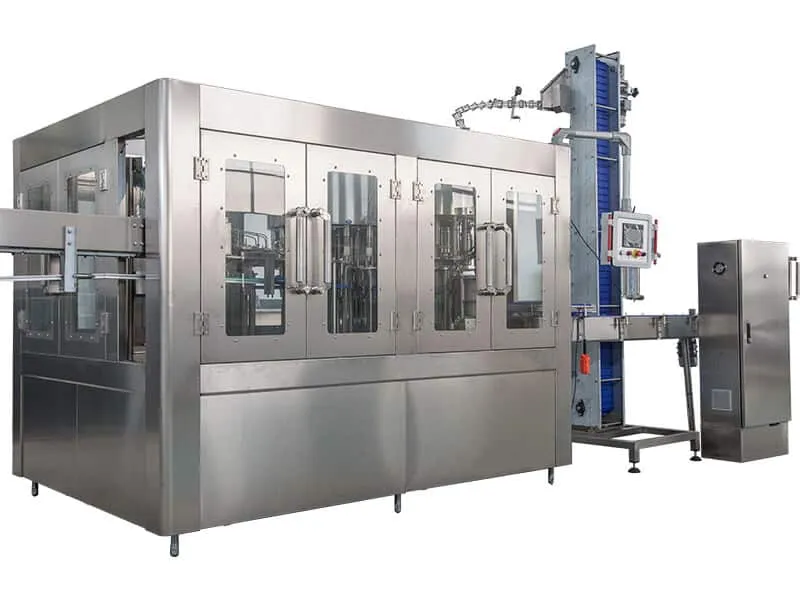
Small and medium-sized (SME) water enterprises—such as local bottled water startups, community drinking water stations, and small-scale mineral water brands—are the core users of water filling machines, and their demand directly hinges on price clarity. For these businesses with limited initial budgets, understanding the price range of water filling machines (from semi-automatic models costing a few thousand dollars to basic fully automatic ones for small batches) helps them accurately plan investment cycles. Whether launching a 500ml bottled water line or a 19L barrel water project, clear price information allows SMEs to avoid overspending on unnecessary functions and select cost-effective equipment that matches their daily output needs, laying a solid foundation for market entry.
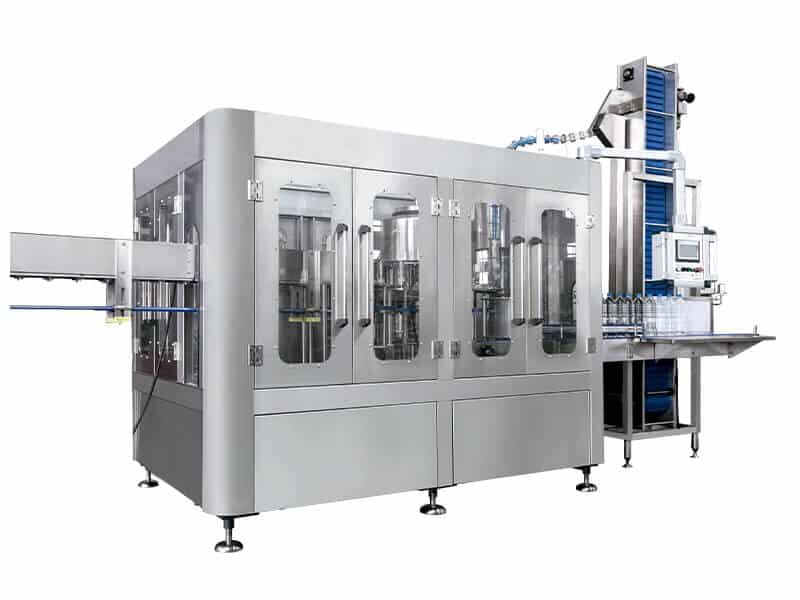
The expanding beverage industry—beyond pure water, covering flavored water, functional drinks, and even fruit juice beverages—relies on water filling machines to upgrade production lines, making price a critical factor in procurement decisions. As consumers pursue diversified drinking options, beverage manufacturers often need to add new filling lines or replace old equipment to adapt to different bottle shapes and capacities. At this stage, comparing the price of machines with varying degrees of automation (e.g., fully automatic machines with integrated rinsing, filling, and capping vs. semi-automatic ones requiring more manual operation) helps them balance production efficiency and cost control. Transparent price data also enables enterprises to negotiate with suppliers more effectively, ensuring they get high-quality equipment without exceeding budget limits.
Emerging regional markets—including rural areas, small cities, and developing regions—present significant growth potential for water filling machines, where price sensitivity drives application popularity. In these areas, demand for affordable, easy-to-operate water filling solutions is rising: local entrepreneurs may set up small water treatment and filling workshops to meet community needs, while convenience store chains may invest in compact filling machines for on-site bottled water sales. For these users, knowing the price of entry-level machines (e.g., small semi-automatic units suitable for daily output of 1,000–5,000 bottles) lowers the threshold for starting a business. Clear price guidance also helps them distinguish between reliable budget options and low-quality products, promoting the healthy development of the local drinking water supply chain.
 EN
EN