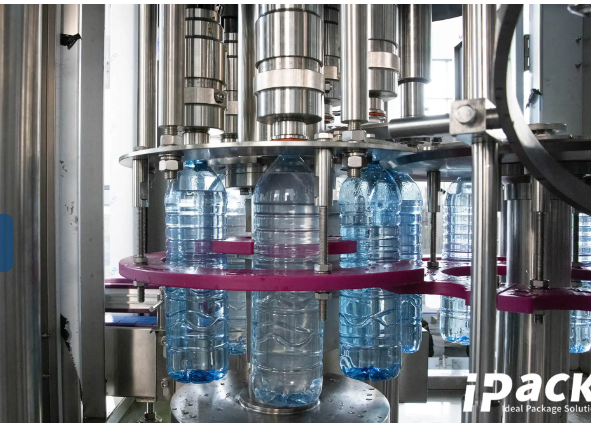
Foaming in carbonated drink filling machines is one of the most persistent and costly challenges in beverage production, leading to product waste, inconsistent fill levels, and compromised carbonation. [Contact our filling technology experts] for t...
VIEW MORE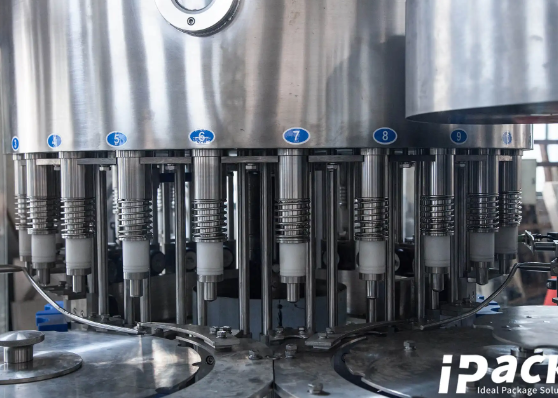
Operational faults in PET bottle blowing machines can significantly impact production efficiency, product quality, and profitability. From recurring stoppages to subtle sensor drifts, these issues demand systematic diagnosis and targeted solutions....
VIEW MORE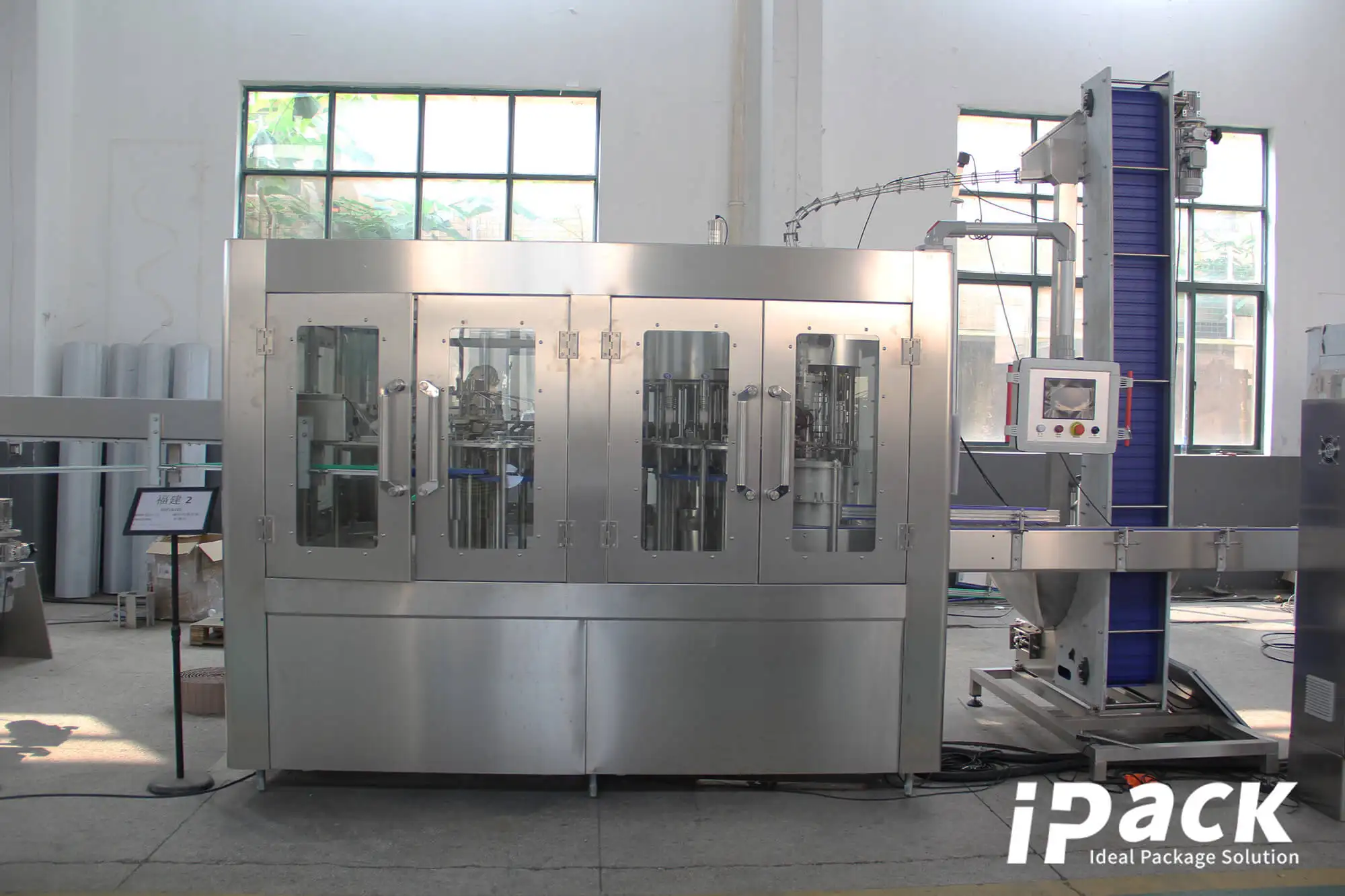
In today's competitive packaging industry, energy costs represent one of the largest variable expenses for PET bottle manufacturers. Energy-efficient PET bottle blowing machines are transforming this landscape, offering substantial power savings th...
VIEW MORE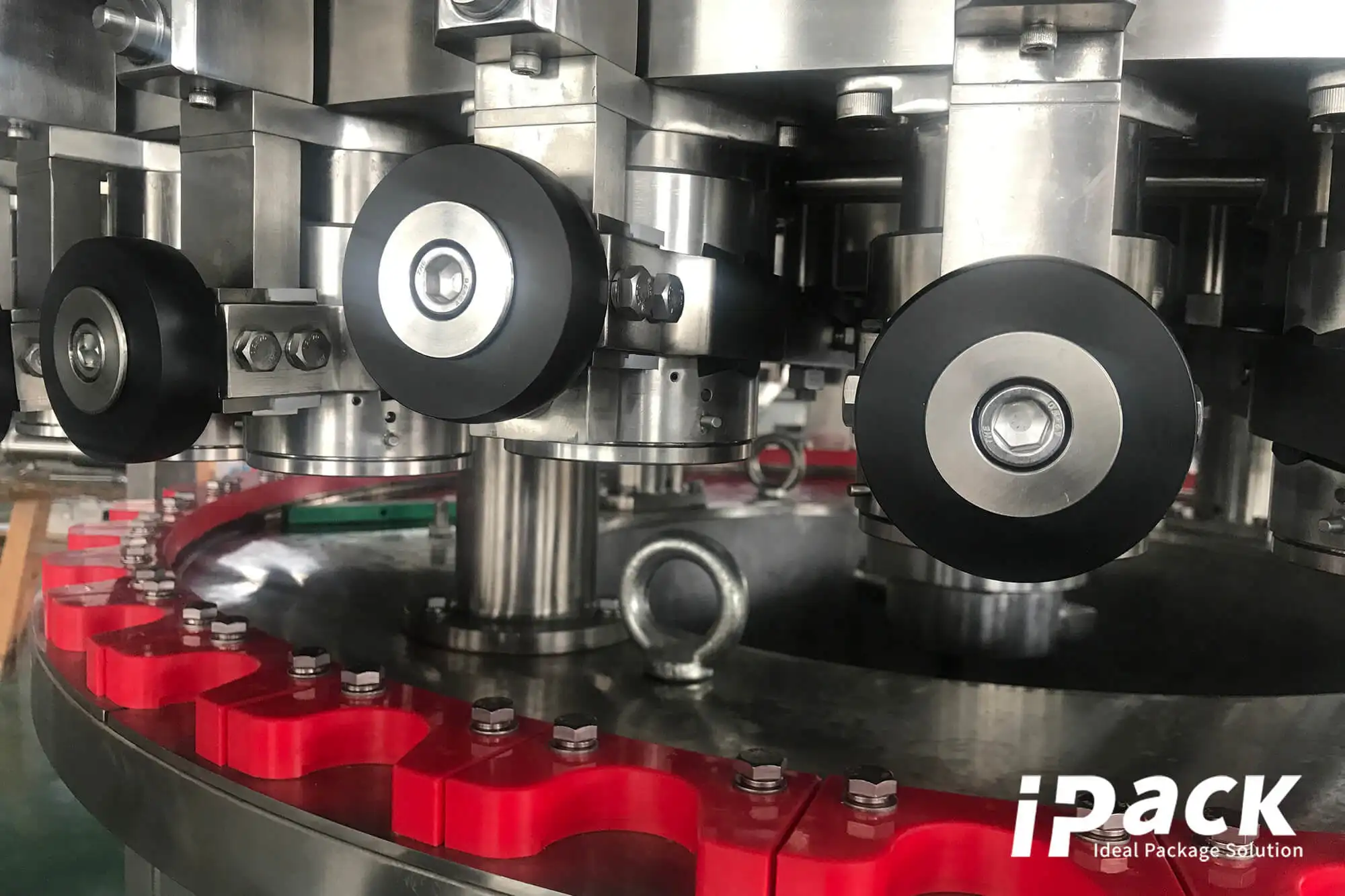
PET bottle blowing machines are the backbone of modern beverage, personal care, and pharmaceutical packaging, transforming small plastic preforms into the lightweight, durable bottles we use daily. [Contact our technical team] for expert guidance o...
VIEW MORE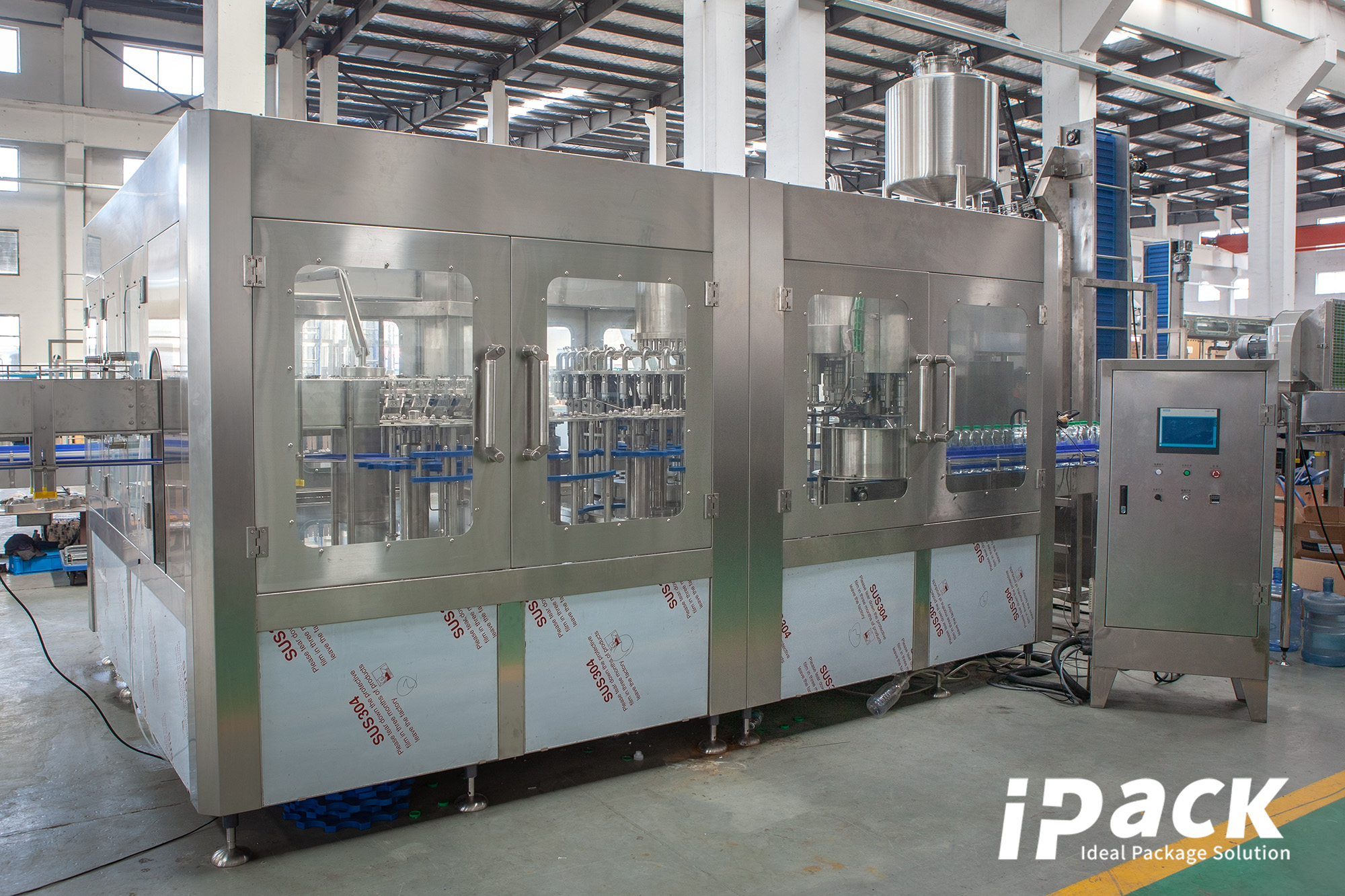
Preserving Freshness: The Science of Juice Flavor Retention in Filling Systems For beverage engineers and production managers, the journey of juice from the fruit to the bottle is a race against time. The moment fruit is crushed, the delicate chemi...
VIEW MORE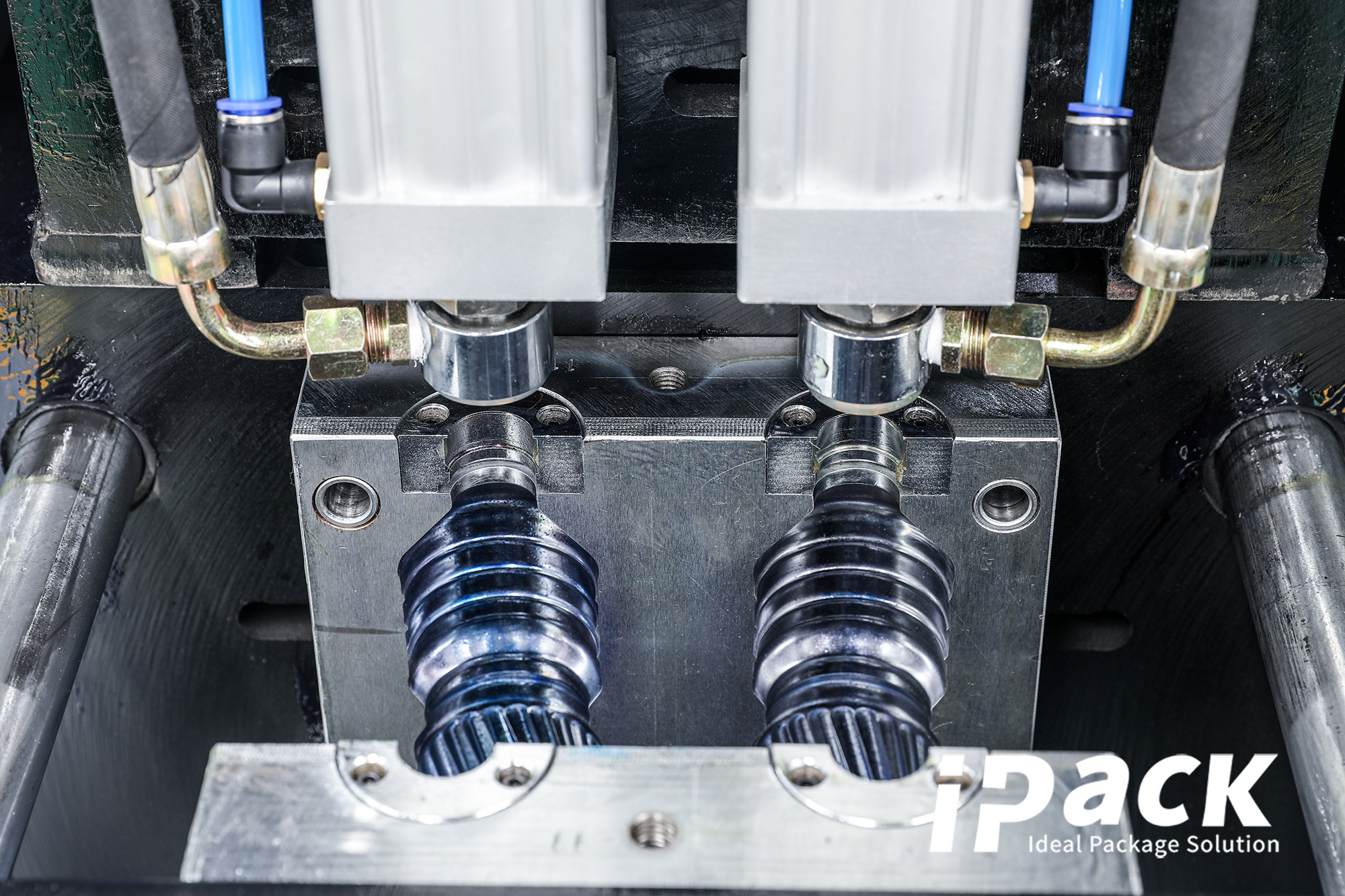
The 3‑AM Downtime – When a Bearing Failure Could Have Been Predicted A water bottling plant in the Pacific Northwest lost six hours of production when a 24‑cavity PET blow molder's stretch rod bearing seized at 3 AM. The maintenance team disc...
VIEW MORE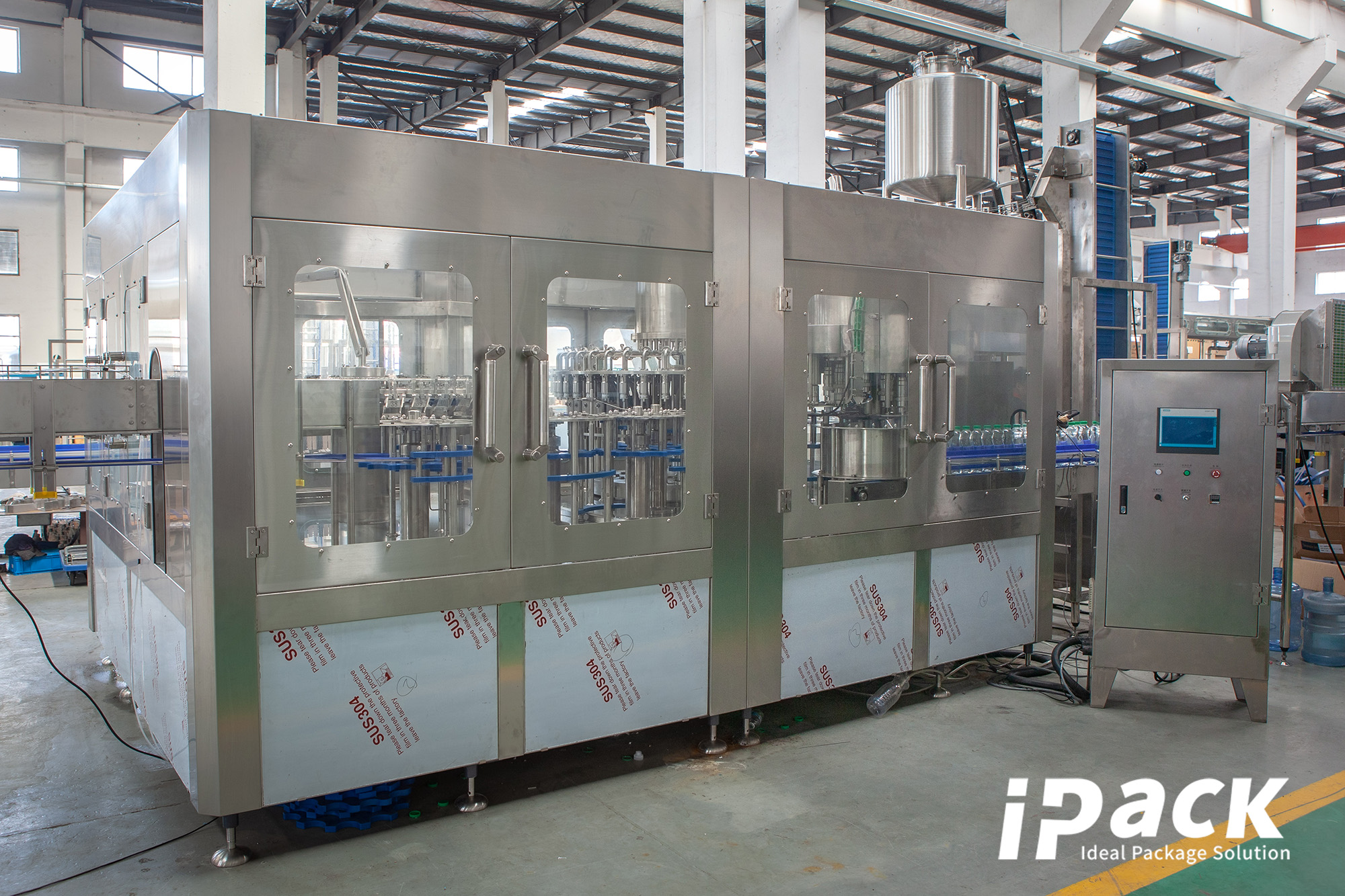
The 3‑AM Micro‑Stop – When an Old Filler Cost More Than Its Price Tag A Midwestern juice plant had a 20‑year‑old volumetric filler that had been “running fine” for years. Then the demand for a new 16‑ounce SKU exposed its limitati...
VIEW MORE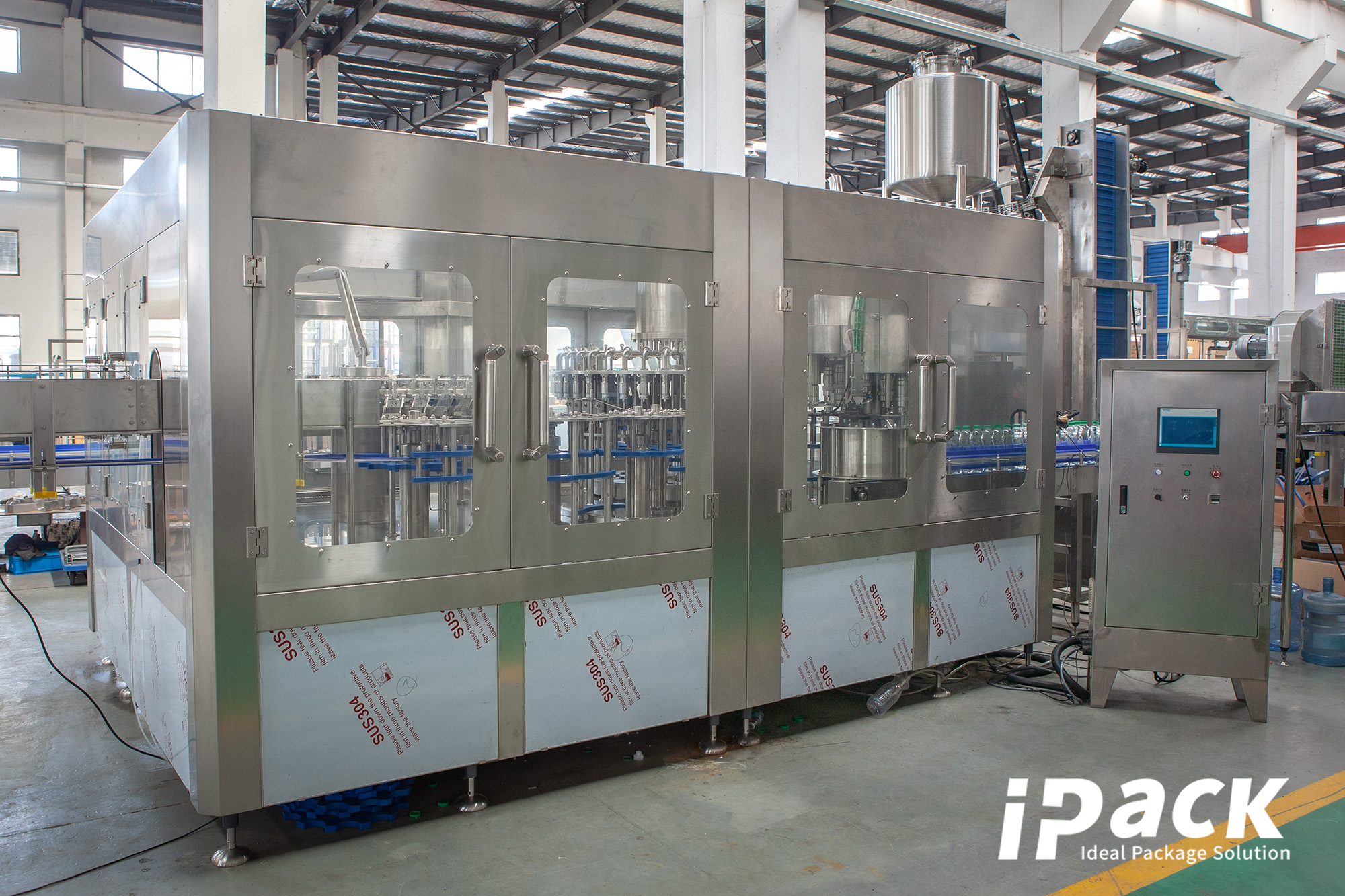
Smart Juice Filling Machine: Precision, Waste Reduction, and ROI Walk into any modern beverage production facility, and you will see them running at high speed—juice filling machines transforming empty containers into finished products with r...
VIEW MORE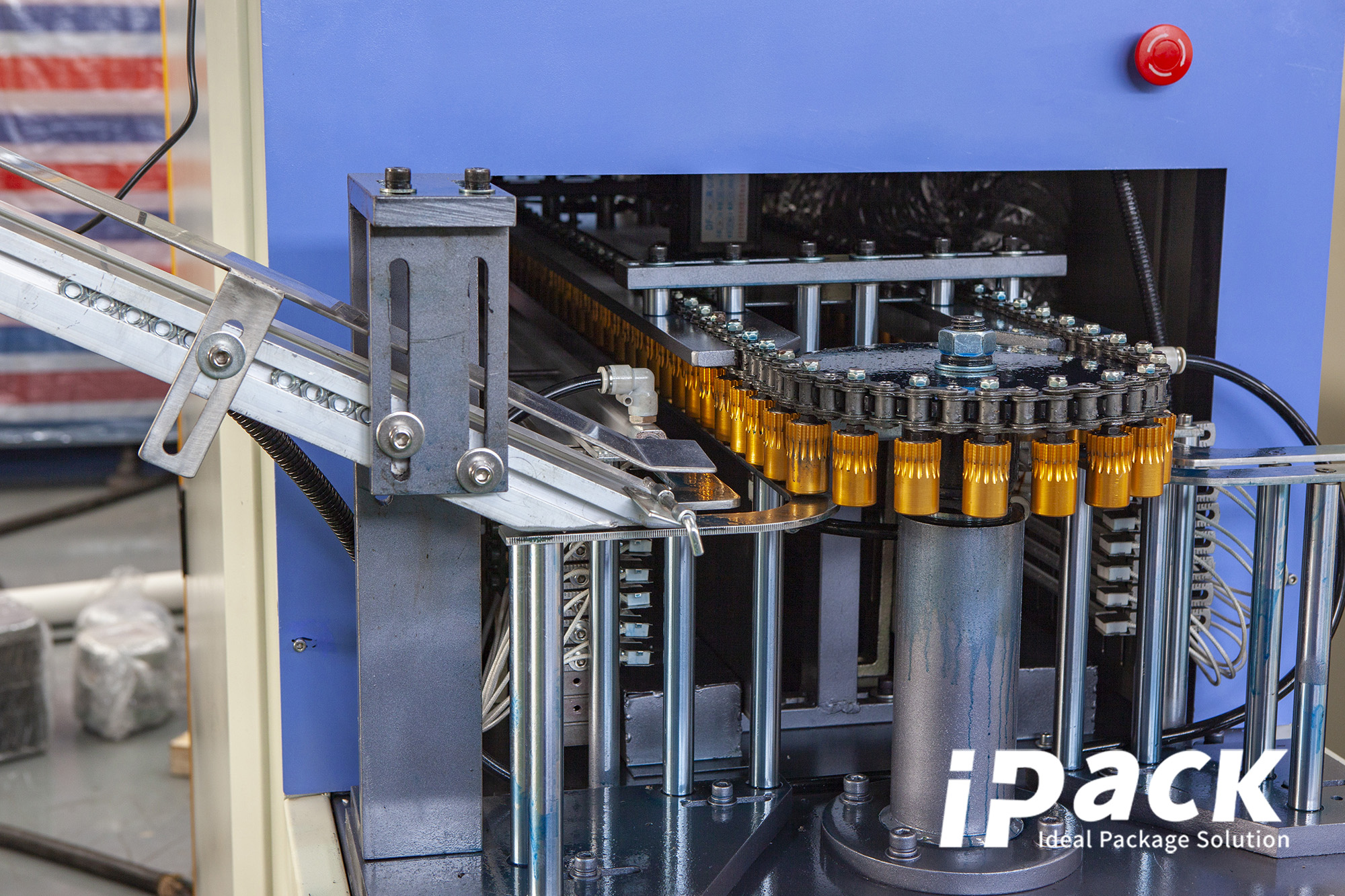
PET Bottle Blowing Machine Efficiency: Cycle Time, Smart Automation, and ROI Walk into any high-volume beverage production facility, and you will see them running around the clock—PET bottle blowing machines transforming preforms into finishe...
VIEW MORE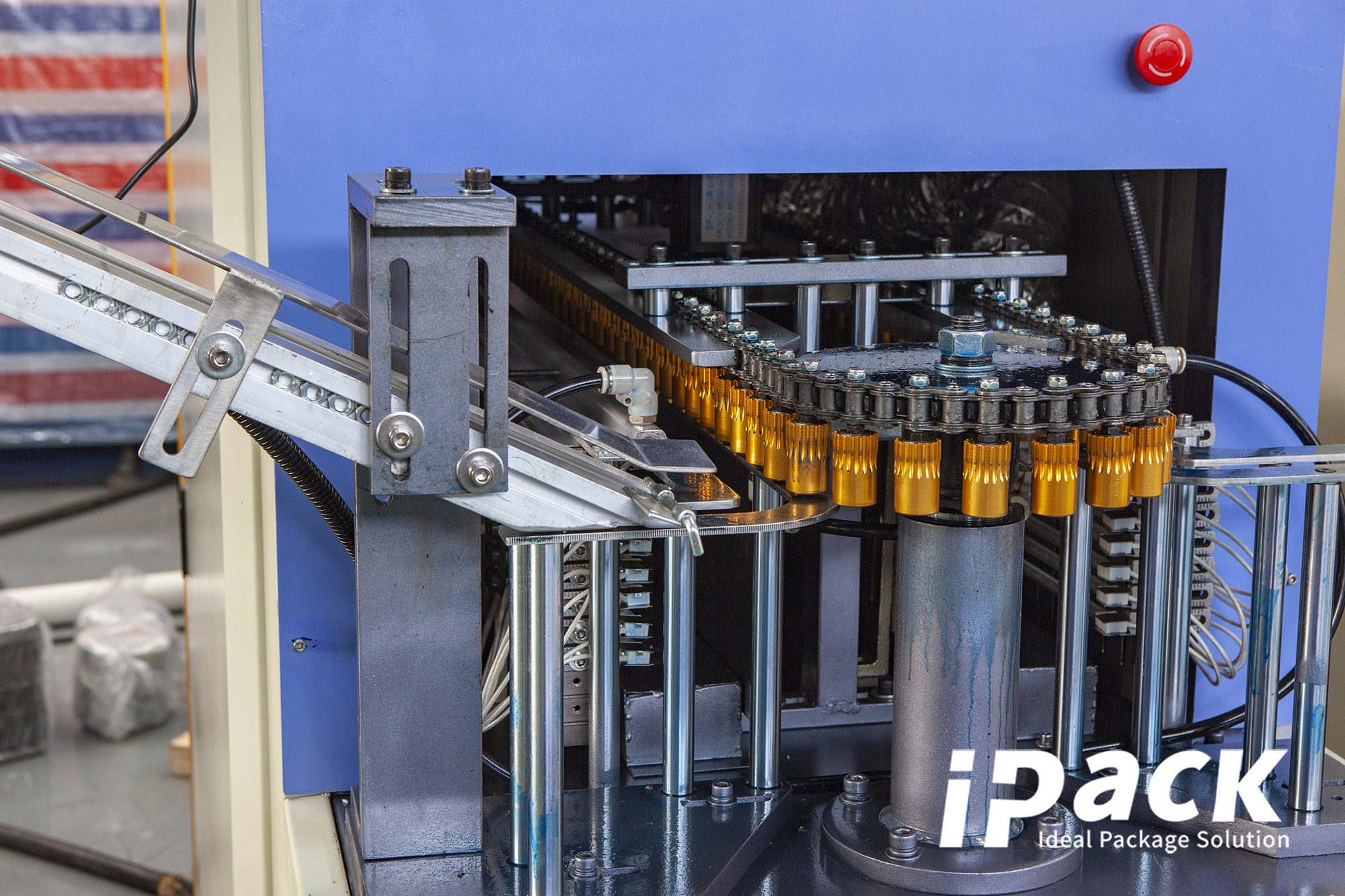
The Art and Science of PET Container Creation Packaging is more than a container; it is the first line of protection for consumer goods. At the heart of this industry lies the pet bottle blowing machine, a masterpiece of engineering that converts s...
VIEW MORE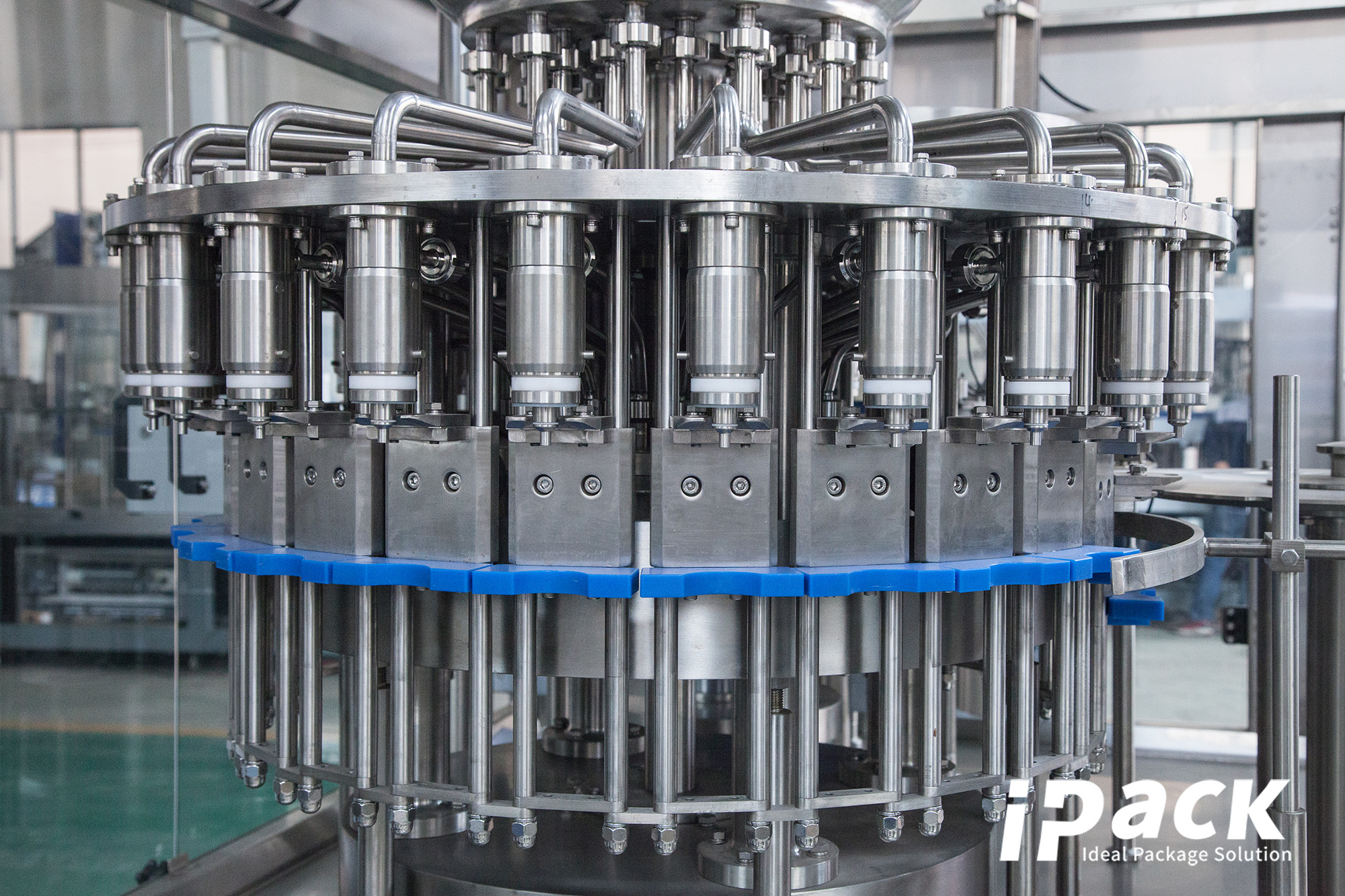
Juice production suffers from high risks of bacterial contamination and biofilm buildup. Since juice is acidic and contains sugar residues, ordinary filling equipment easily leaves residual liquid and breeds microorganisms. Good hygienic design so...
VIEW MORE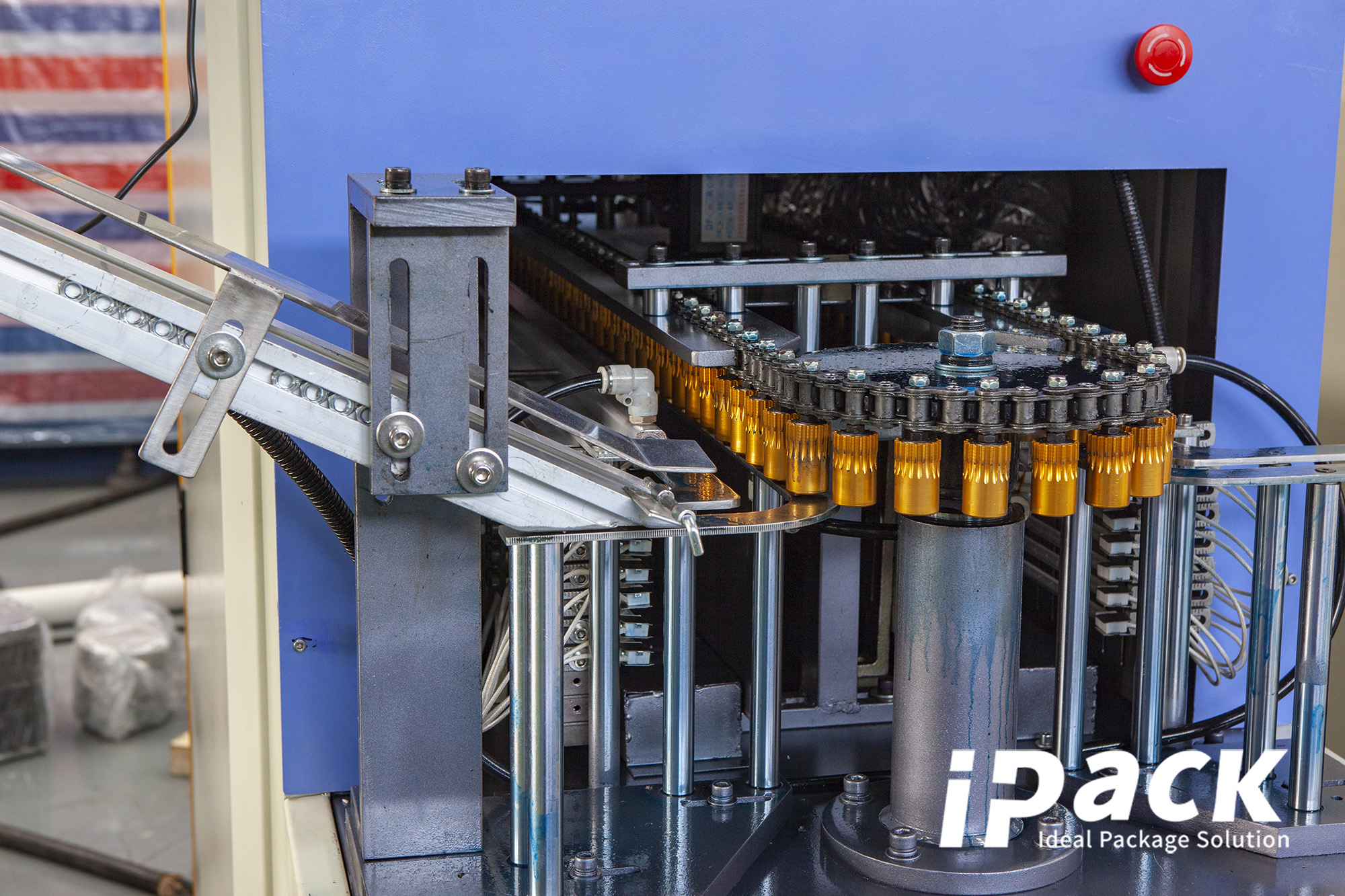
Unexpected equipment shutdowns always hurt production output and profits. Smart PET blow molding machines collect real-time data including vibration, temperature and operation cycles via built-in sensors. With predictive maintenance technology, ...
VIEW MORE EN
EN