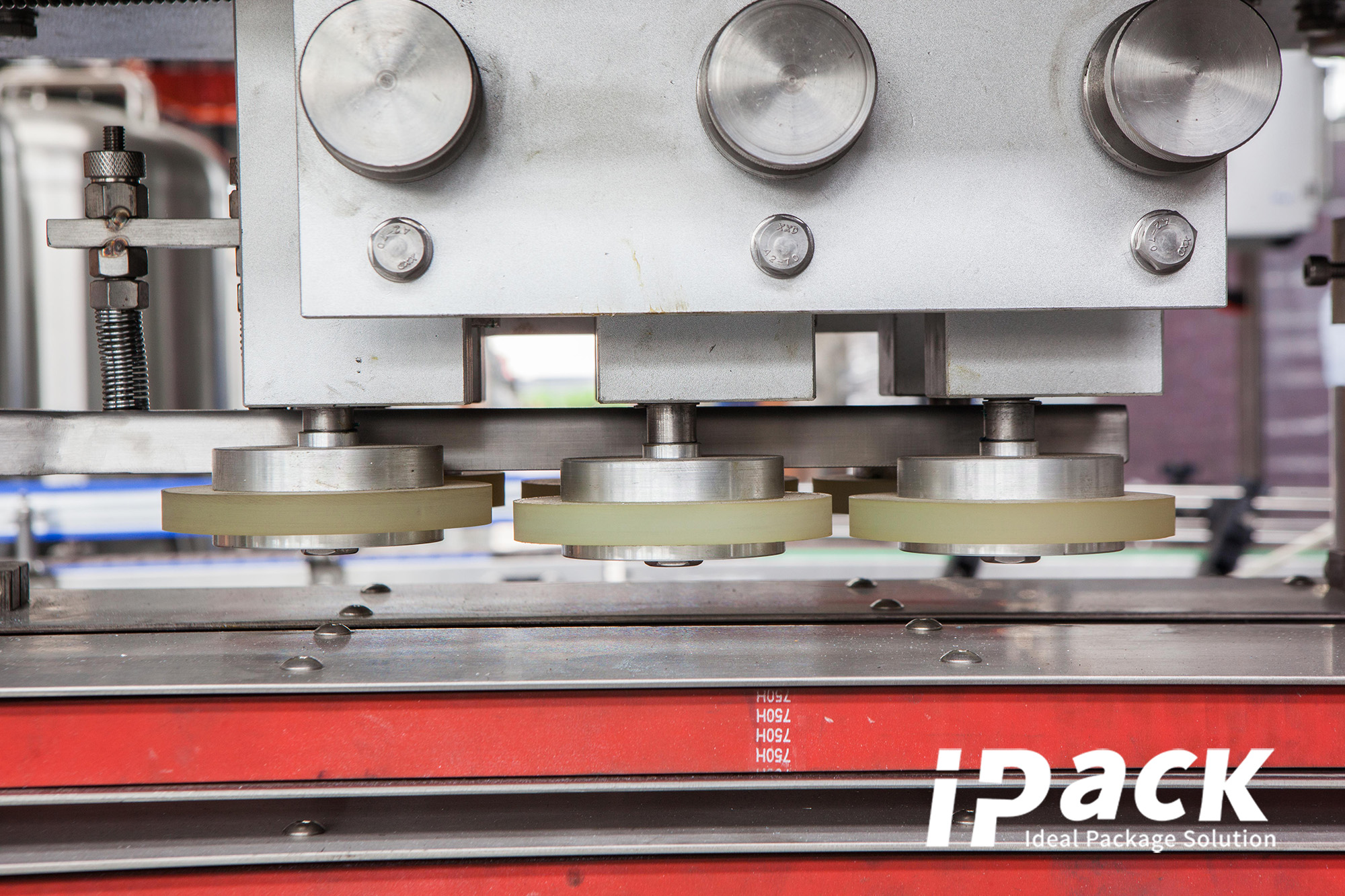
Filling accuracy is the core metric that determines production cost, product quality, and regulatory compliance for edible oil, motor oil, and cosmetic oil packaging lines. Traditional manual, semi-automatic and pneumatic filling equipment suffers...
VIEW MORE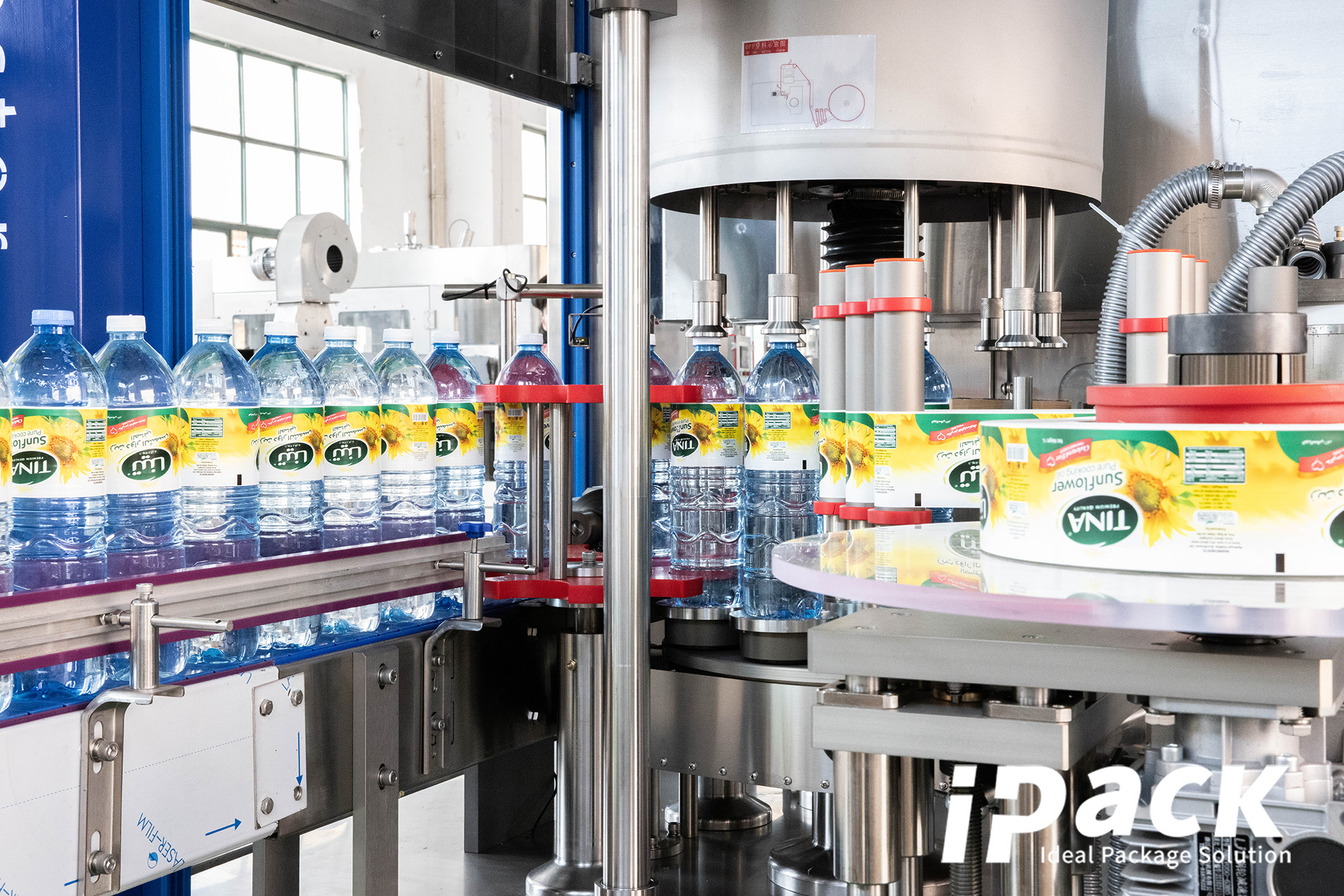
Selecting the right labeling machine starts with accurately assessing your production demands. Three critical factors directly influence equipment suitability: Hourly Throughput: Analyze current batch volumes and 3–5 year growth forecasts. ...
VIEW MORE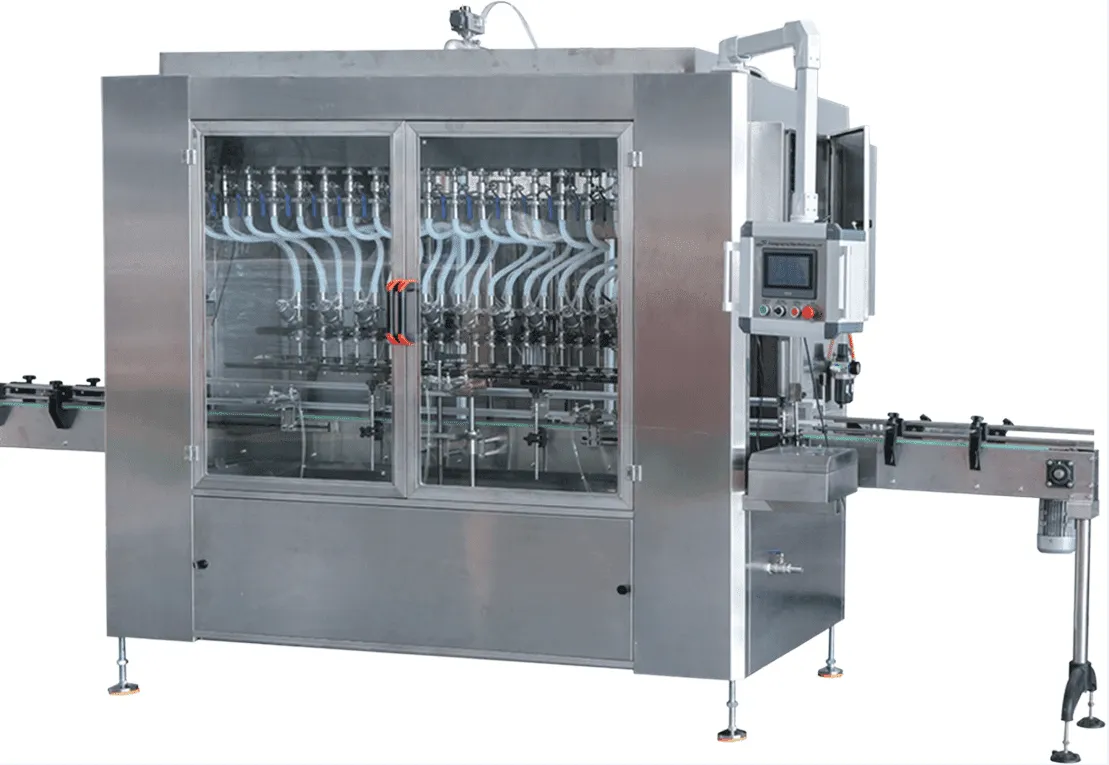
Oil viscosity is the single most important factor in selecting an industrial oil filling machine. Thin oils, such as refined sunflower, soybean, or light essential oils, flow freely under gravity and generate minimal backpressure. For these low-vis...
VIEW MORE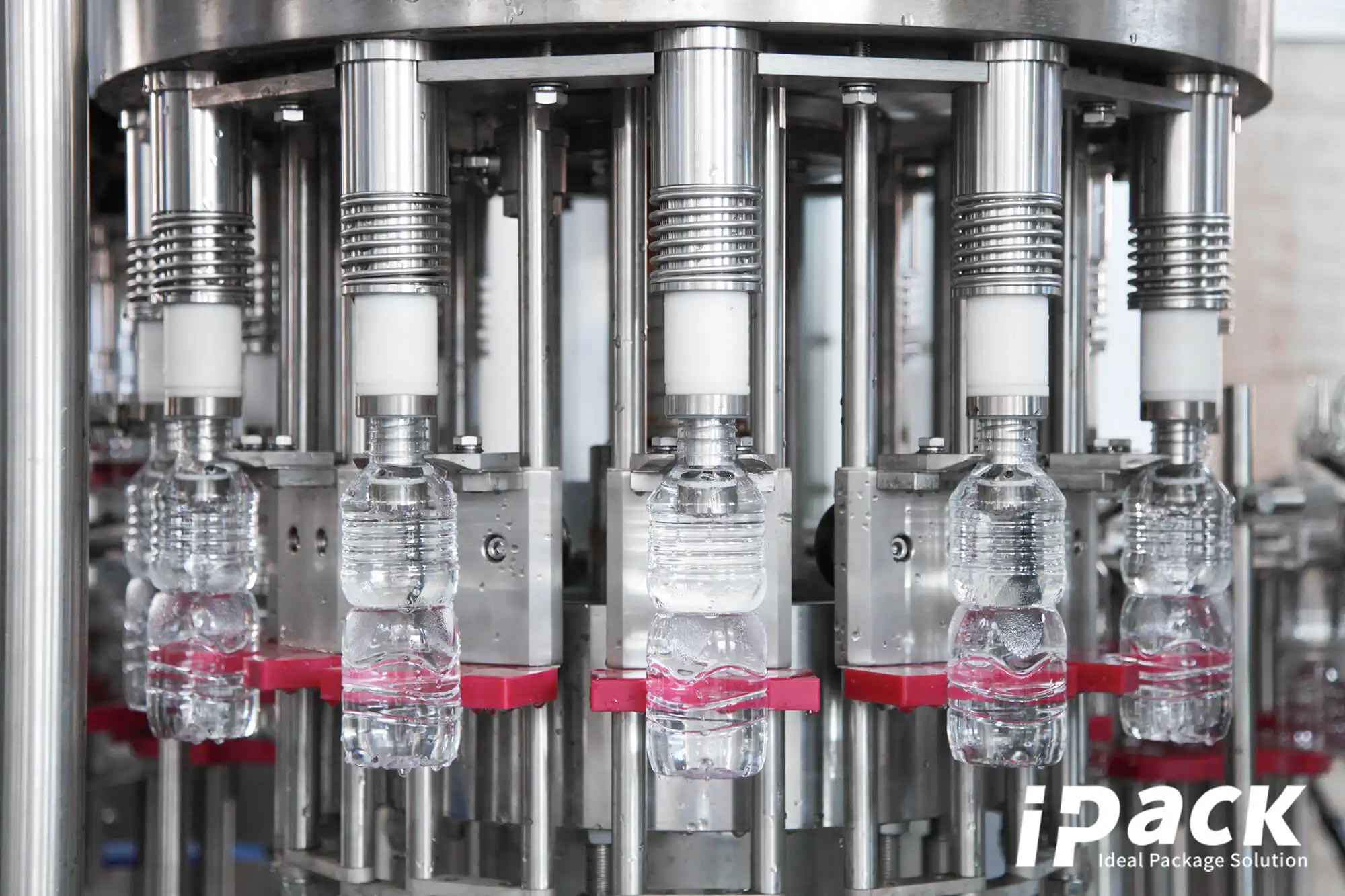
Labeling Machines: Core Enablers of Consistent Brand IdentityPrecision Application Reinforces Brand Trust Through Visual UniformityEvery product that reaches a shelf reflects the brand behind it. Labeling machines apply labels with micron-level accur...
VIEW MORE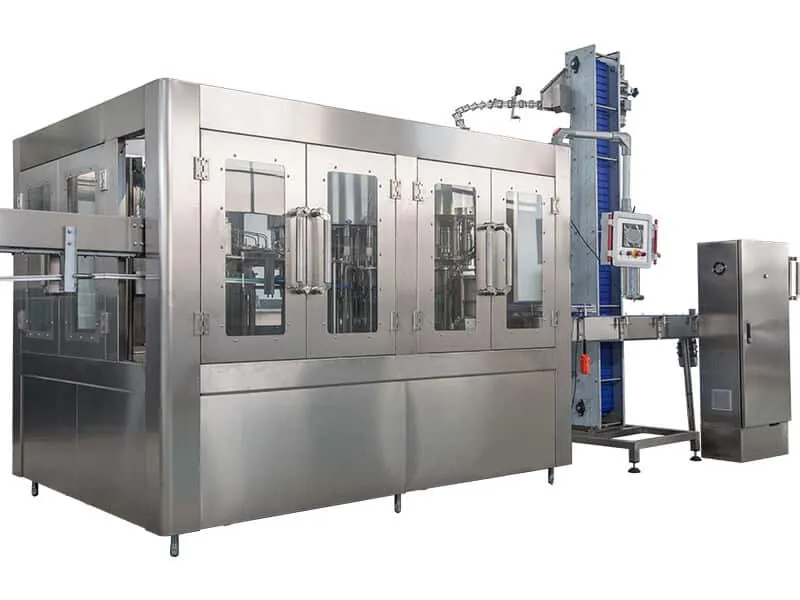
Production Performance: Output Capacity and Cycle EfficiencyBottles per Hour Range and Real-World Throughput ScalingSemi-automatic PET bottle blowing machines typically produce 1,000–3,000 bottles per hour, requiring manual preform loading and bottle...
VIEW MORE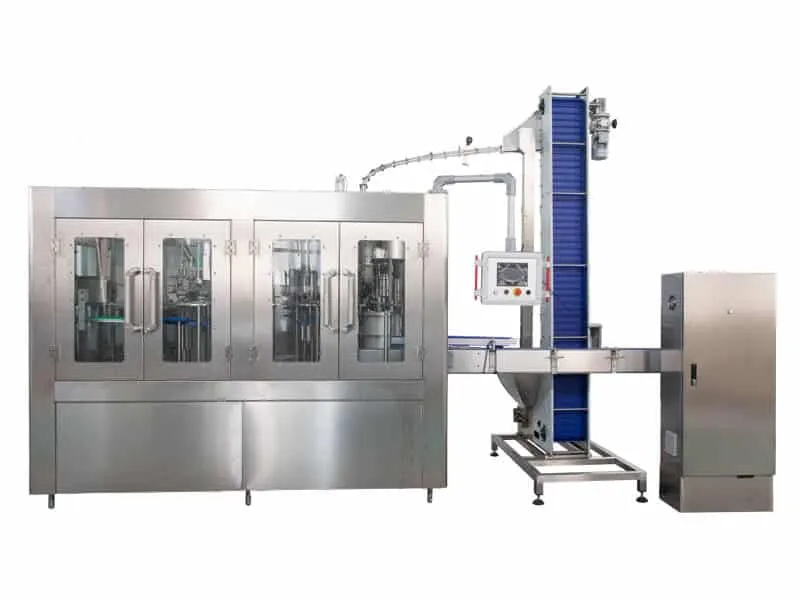
Smart Automation and IoT Integration in PET Bottle Blowing MachinesReal-Time Monitoring and Predictive Maintenance via IoT SensorsModern PET bottle blowing machines embed a network of IoT sensors that continuously monitor critical parameters—includin...
VIEW MORE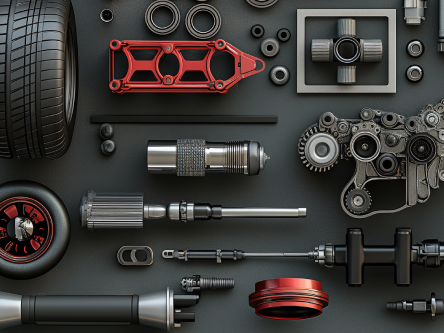
How Shrink Wrapping Machines Work and Key Types for Food & Beverage LinesFilm tensioning, sealing, and thermal shrinking: the three-phase packaging processShrink wrapping machines secure products through a precise three-phase process. First, film ten...
VIEW MORE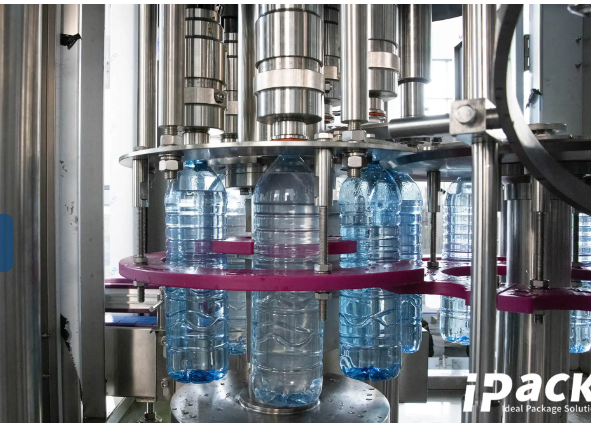
Inconsistent Fill Levels: Causes and Calibration Fixes for Oil Filling MachinesWhy fill volume drifts despite recent calibrationEven after calibration, oil filling machines can experience volume drift. Temperature shifts alter oil viscosity—changing ...
VIEW MORE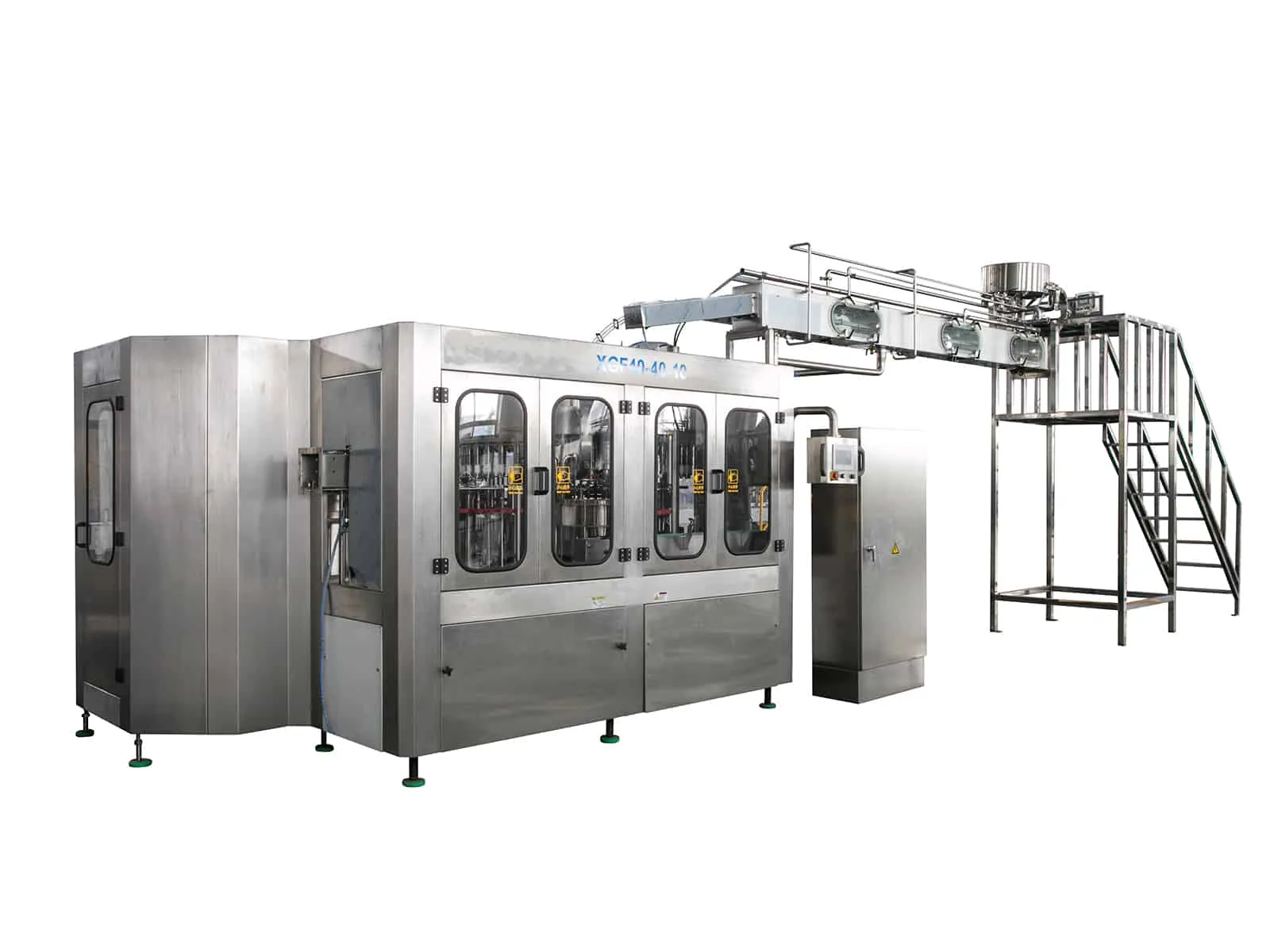
Cost Efficiency and Long-Term ROI of Automatic PET Bottle Blowing Machines5-Year TCO Comparison: Capital, Energy, Labor, and Maintenance CostsEvaluating a PET bottle blowing machine’s true cost requires a five-year Total Cost of Ownership (TCO) analy...
VIEW MORE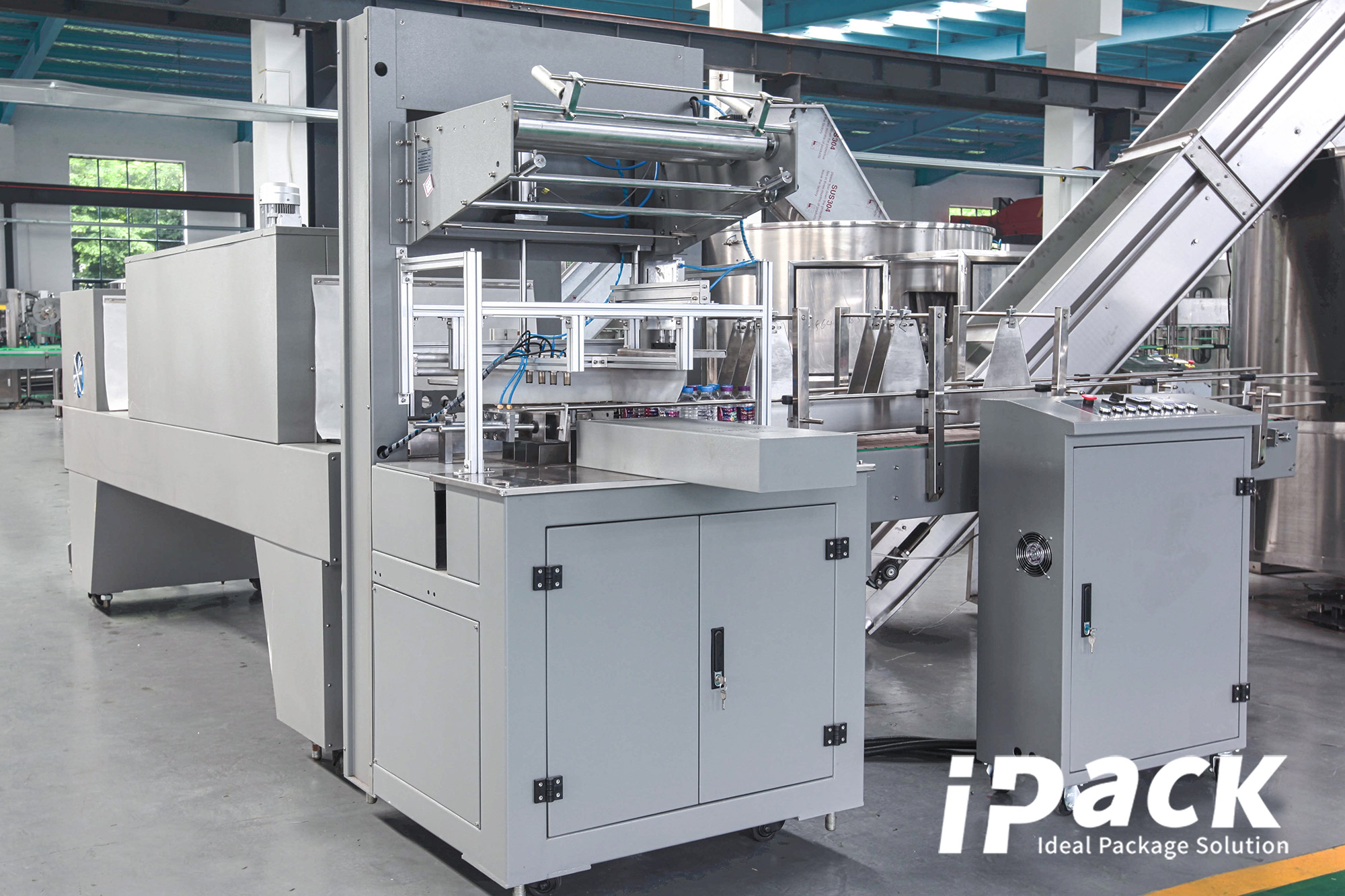
Core Types of Shrink Wrapping Machines and Their Operational Impact Choosing the right shrink wrapping machine relies heavily on knowing the main technologies and the operational effects that follow. If the machine type and the production type do n...
VIEW MORE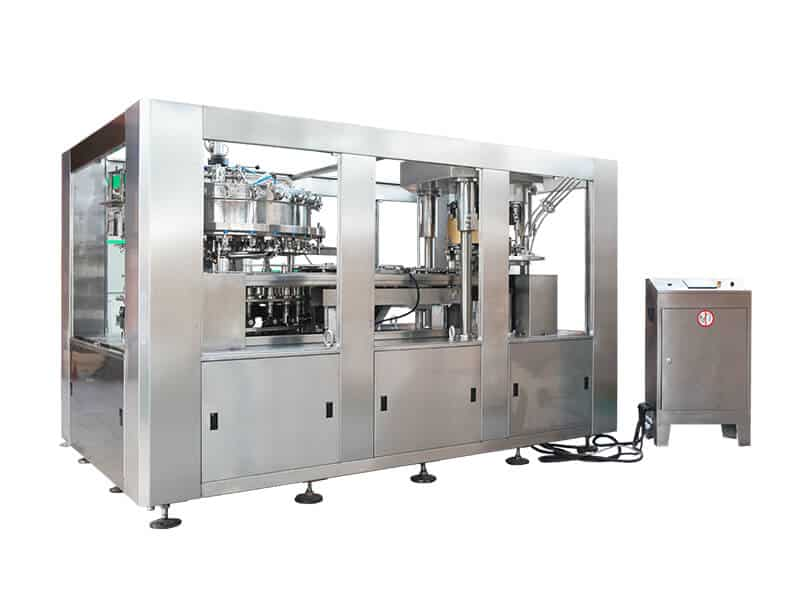
Canning Machines: Revolutionizing with Each New Layer of Automation Mechanical → PLC → Vision-guided → AI-driven The progression of can filling technologies can be categorized into four periods. Mechanical systems filled containers r...
VIEW MORE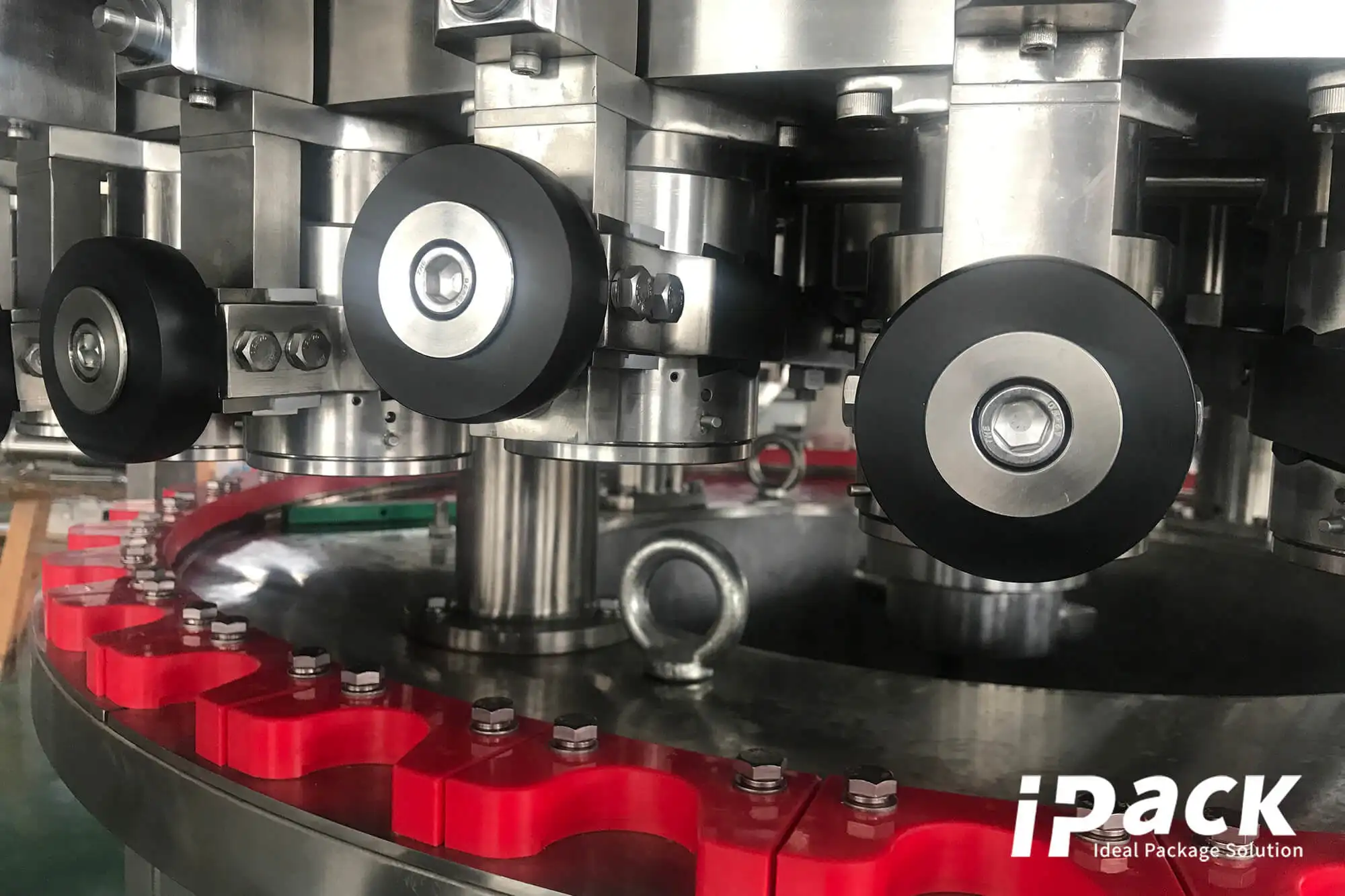
Performance Comparison: Speed, Accuracy, and Throughput of Can Filling Machines Filling speed benchmarks: Rotary can filling machines (200–1,200+ bph) vs. linear can filling machines (30–300 bpm) High-volume production generally favors ...
VIEW MORE EN
EN